As cities grapple with increasing stormwater challenges, permeable pavers emerge as a vital solution that transforms urban flood management. These innovative surfaces allow rainwater to seep naturally into the ground, reducing runoff and easing overwhelmed drainage systems. But are they enough to combat the rising severity of climate-induced storms? Cities worldwide—like Portland and Copenhagen—are demonstrating that integrating permeable paving can turn flood-prone areas into resilient, environmentally friendly spaces. Beyond flood control, these surfaces support groundwater recharge, filter pollutants, and enhance urban aesthetics, making neighborhoods safer and more inviting. Yet, their success hinges on careful planning and ongoing maintenance. As urban sprawl and extreme weather accelerate, will permeable pavers become a standard feature in sustainable city planning? Embracing this technology may not only mitigate flooding risks but also forge greener, more resilient communities—what’s stopping us from making this a universal urban upgrade?
Jump To Section
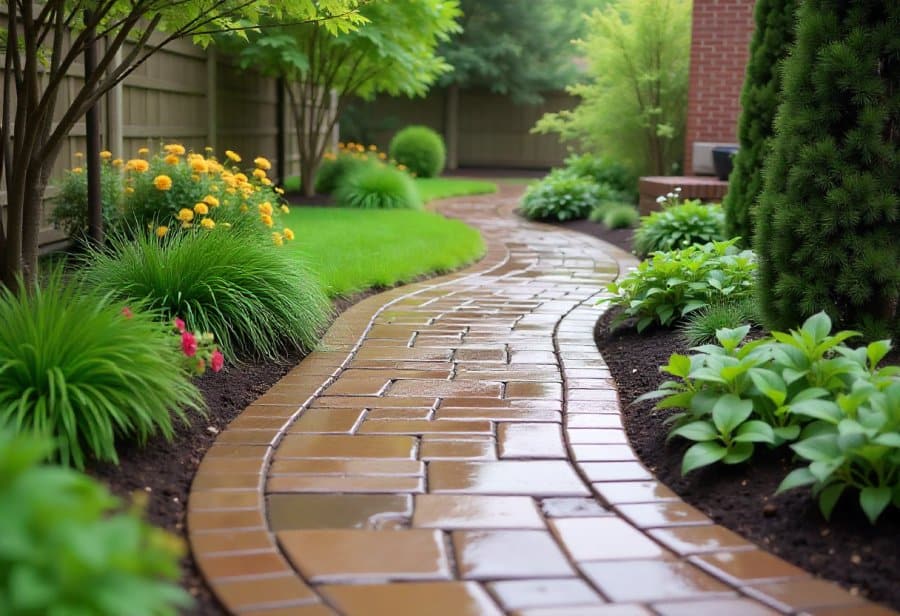
Confronting Urban Flooding: The Urgent Need for Sustainable Solutions
Urban flooding is becoming an increasingly urgent issue for cities around the world. When heavy rains hit, many urban areas find their existing drainage systems overwhelmed, leading to streets that flood, property damage, and disrupted daily routines. This problem is especially severe in neighborhoods dominated by concrete and asphalt, which prevent rainwater from soaking into the ground. Instead, water quickly pools on surfaces or rushes into storm drains that can clog or overflow during intense storms.
As cities expand and develop more impervious surfaces, the risk of flooding only grows. This trend is exacerbated by climate change, which brings more frequent and severe storms. Traditional drainage infrastructure struggles to keep up, leaving communities vulnerable. To address this, urban planners are now turning to smarter, more sustainable solutions that mimic natural water absorption processes.
One promising approach involves incorporating permeable paving into city landscapes. These surfaces allow rainwater to pass through and seep into the soil below, reducing runoff and easing pressure on stormwater systems. Permeable pavers help prevent street flooding and water pooling, making streets safer and more navigable after storms. Beyond flood control, they support environmental health by promoting groundwater recharge and filtering pollutants before water reaches rivers and lakes.
This shift toward permeable paving is not just about managing water; it’s about rethinking how we build and live in cities. By integrating these surfaces, urban areas can become more resilient, greener, and more inviting. They transform practical infrastructure into attractive public spaces, fostering community pride and environmental stewardship. As heavy rains and extreme weather become more common, adopting sustainable solutions like permeable pavers is essential for creating cities that can withstand the challenges ahead.
Permeable Pavers: Nature-Inspired Flood Mitigation and Environmental Benefits
Permeable pavers are a highly effective way to reduce urban flooding by allowing rainwater to naturally seep into the ground instead of rushing across surfaces. When rain hits these porous surfaces, it infiltrates through the gaps between the pavers, dramatically decreasing surface runoff during storms. This process alleviates the burden on existing stormwater systems, which often struggle to handle heavy rains, especially in densely developed areas with lots of impervious surfaces like concrete and asphalt. As a result, permeable pavers help prevent water from pooling on streets, flooding homes, or overwhelming drainage infrastructure.
Beyond their role in flood mitigation, permeable pavers offer clear environmental benefits. They facilitate groundwater recharge, replenishing aquifers that supply drinking water and support local ecosystems. By allowing water to flow into the soil, they help restore some of the natural water cycle disrupted by urban development. Additionally, permeable pavers act as natural water filters, trapping dirt, oil, and pollutants that would otherwise wash into rivers and lakes, thereby improving water quality and reducing pollution loads reaching waterways.
The design of permeable pavers closely mimics natural soil absorption, making them a sustainable alternative to traditional paving materials. Constructed from porous concrete, brick, or stone, they are arranged to create voids that promote water movement. When rain falls, water flows through these gaps, reducing runoff and supporting groundwater recharge. This process is especially crucial in cities where impervious surfaces dominate, helping to rebalance the disrupted natural water cycle.
Reducing runoff through permeable paving also plays a vital role in flood prevention. During heavy rains, less water flows over surfaces and into storm drains, lowering the chances of street flooding and water pooling. This not only protects property and infrastructure but also keeps streets safer and more navigable after storms. As urban sprawl continues and more surfaces become impermeable, permeable pavers stand out as a practical solution to help cities adapt to climate change and extreme weather events.
In addition to functional advantages, permeable pavers enhance urban aesthetics. Their variety of colors, textures, and styles allows cities to create visually appealing streetscapes and public spaces. This aesthetic versatility encourages community use and pride, transforming practical infrastructure into attractive, inviting environments. When cities adopt permeable pavers, they not only improve flood resilience but also foster a greener, more vibrant urban atmosphere.
Proper installation and ongoing maintenance are essential to maximize the effectiveness of permeable pavers. Correct site preparation, including stabilizing the base and ensuring joints are filled with permeable materials, guarantees long-term performance. Regular debris removal and inspections prevent clogging, ensuring water continues to infiltrate efficiently. When installed and maintained properly, permeable pavers remain a reliable and sustainable solution for managing stormwater and reducing urban flooding risks.
Overall, permeable pavers combine flood control with environmental health and urban beautification. They help cities handle intense rainfall, support groundwater recharge, and filter pollutants—all while creating more inviting public spaces. As climate challenges grow, investing in these surfaces becomes a smart move for building resilient, sustainable communities that can better withstand weather extremes and urban pressures.
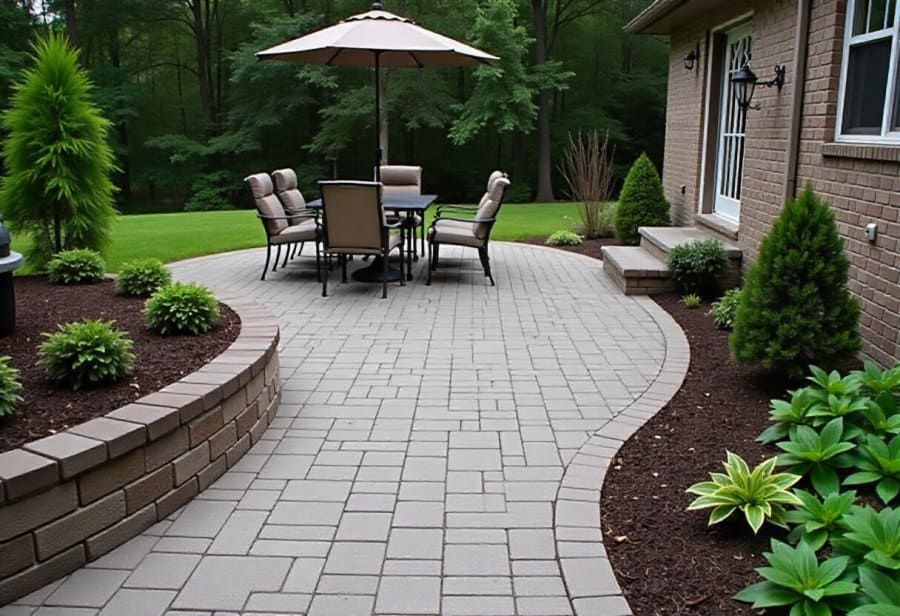
Real-World Success: Case Studies Showcasing Permeable Paver Applications
Cities worldwide are proving that permeable pavers can make a real difference in managing urban flooding. In Portland, Oregon, a large parking lot was retrofitted with permeable paving, transforming a water-shedding surface into a model of stormwater management. During heavy rains, runoff was significantly reduced, helping recharge underground aquifers and prevent street flooding. This project showed how existing infrastructure could be upgraded with sustainable materials, turning a problem into a practical solution.
Across the Atlantic, Copenhagen has integrated permeable paving into public spaces like plazas and walkways. These areas now handle intense rainfall without flooding or water pooling, making streets safer and more inviting. The permeable surfaces not only improve flood resilience but also add aesthetic value, encouraging community use and fostering a sense of pride. Such examples highlight how permeable pavers are versatile enough to fit different urban environments, from busy commercial districts to quiet neighborhoods.
Successful implementation depends on careful planning and proper installation. In these projects, site assessments determined soil type, drainage capacity, and load requirements, guiding material choices and design. Proper base preparation, including stabilizing layers and joint filling with permeable aggregates, ensures long-term performance. Regular maintenance, like debris removal, keeps the systems functioning efficiently, preventing clogging and preserving permeability over time.
The key to these projects’ success lies in the integration of permeable pavers with broader stormwater management strategies. When combined with green infrastructure elements such as rain gardens and bioswales, they create a comprehensive water management network. This approach not only reduces runoff but also restores some of the natural water cycle disrupted by urban development, making cities more resilient and environmentally friendly.
These real-world examples demonstrate that permeable pavers aren’t just a theoretical solution—they are practical, adaptable, and effective. They help cities reduce flood risks, improve water quality, and create more attractive public spaces. With proper planning and maintenance, permeable paving can turn flood-prone areas into thriving, sustainable neighborhoods that are better prepared for the challenges of climate change and urban growth.
Implementing permeable pavers also contributes to sustainable water management by facilitating groundwater recharge and water filtration. This not only helps in reducing surface runoff but also restores natural hydrological cycles, ultimately supporting healthier urban ecosystems. For more detailed insights into how permeable pavers promote groundwater recharge and water filtration, you can visit Permeable pavers promote groundwater recharge and water filtration.
Urban Planning Strategies: Integrating Permeable Pavers for Resilient Cities
Incorporating permeable pavers into urban planning begins with a thorough site assessment. City planners and developers need to evaluate soil type, drainage capacity, and load requirements to determine if permeable paving is suitable. Understanding how well the soil can support water infiltration guides material selection and design, ensuring the system remains effective and durable over time. This initial step helps prevent future issues like clogging or reduced permeability, making the investment more sustainable.
Once the site is evaluated, proper base preparation becomes critical. A stable foundation—usually involving crushed stone or gravel combined with geotextile fabric—sets the stage for long-lasting performance. This layer prevents shifting and settling, which could compromise permeability or cause uneven surfaces. Choosing the right paver materials, whether porous concrete, brick, or stone, and ensuring they are correctly installed with permeable joint fillers maximizes water flow and system longevity.
Integrating permeable pavers into broader stormwater management strategies enhances their effectiveness. They should work in tandem with green infrastructure features like rain gardens, bioswales, and vegetated areas. These elements slow, absorb, and filter rainwater before it reaches the permeable surfaces, creating a comprehensive water management network. Designing slopes and water flow paths to direct runoff toward these surfaces reduces pooling and flooding, effectively mimicking natural water cycles disrupted by urbanization.
The installation process demands attention to detail. Proper excavation, leveling, and compaction are essential to ensure stability and permeability. During placement, careful joint filling with permeable aggregates or sand is vital; shortcuts here can lead to clogging and diminished performance. Regular maintenance—such as debris removal and inspections—keeps the system functioning optimally, preventing clogging and ensuring consistent water infiltration over time.
Supporting tools and guidance from industry standards help streamline installation. Detailed checklists, design guidelines, and software assist in optimizing layout and material choices. Partnering with experienced contractors and urban planning professionals ensures adherence to best practices, reducing the risk of errors and increasing the system’s lifespan. Thoughtful planning and precise execution turn permeable pavers into key components of resilient, sustainable urban infrastructure.
By embedding permeable paving solutions early in development projects, cities can create a more adaptable and flood-resilient environment. Proper planning and installation not only mitigate immediate flooding risks but also promote groundwater recharge, improve water quality, and enhance urban aesthetics. These surfaces transform functional infrastructure into vibrant, inviting spaces that foster community pride and environmental stewardship. With ongoing maintenance, permeable pavers become a reliable, long-term investment in urban resilience.
Transform Your Toronto Outdoor Space with Expert Landscaping Solutions
Discover how Toronto Landscape & Design can turn your outdoor area into a stunning beautiful retreat. Our award-winning designers take everything into consideration, offering services such as natural stone installations, water gardens, irrigation systems, and retaining walls tailored to your needs. Whether you’re looking to enhance your garden or reduce backyard flooding, our team delivers innovative solutions that boost both beauty and functionality. Located in Toronto, we are dedicated to creating landscapes that stand out. For personalized service and expert advice, contact us at Toronto Landscape & Design or call 1.416.644.0499 today!
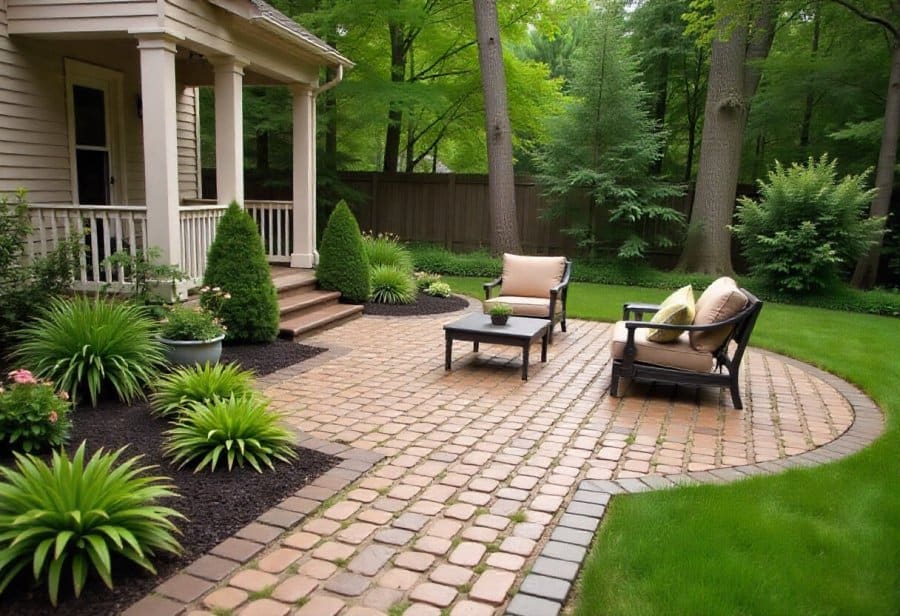
Looking Ahead: Embracing Permeable Paving to Build Flood-Resilient Urban Futures
As urban areas continue to expand and climate change leads to more unpredictable and intense weather patterns, the role of permeable pavers in building flood-resilient communities becomes increasingly critical. These surfaces offer a straightforward yet powerful way to manage stormwater: rainwater can naturally seep into the soil instead of rushing over surfaces and overwhelming drainage systems. This process reduces flooding risks, supports groundwater recharge, and helps maintain a healthier water cycle within cities facing more frequent heavy rains and extreme weather events.
Choosing permeable paving solutions is a smart move for cities aiming to create more resilient infrastructure. Their ability to handle intense rainfall means fewer flooded streets, less property damage, and safer neighborhoods. They also serve as natural filters, trapping pollutants and preventing them from polluting waterways, which benefits local ecosystems and improves water quality. As urban sprawl and climate challenges grow, innovative solutions like permeable paving are essential for developing sustainable, adaptive urban environments.
Advancements in permeable paving technology are promising. Researchers are developing new materials that combine permeability with enhanced durability and sustainability, such as recycled content and porous composites. Innovations are also focusing on modular designs and smart drainage systems that optimize water flow and simplify maintenance. These developments aim to make permeable paving more adaptable and cost-effective, broadening their application across different types of urban spaces and increasing their impact on flood resilience.
Encouraging cities and communities to adopt permeable paving requires a shift in urban planning approaches. Embedding these solutions into development projects from the start ensures stormwater management becomes a core aspect of urban design. Citizens can also play a role by advocating for permeable surfaces on their properties and participating in community planning efforts. When permeable paving becomes a standard feature, cities not only reduce flood risks but also foster greener, more inviting neighborhoods that enhance quality of life and civic pride.
The benefits of permeable pavers extend well beyond flood control. They help reduce environmental impacts by decreasing runoff, filtering pollutants, and supporting groundwater recharge. Their aesthetic versatility allows for vibrant streetscapes that encourage community engagement and pride. These surfaces transform functional infrastructure into attractive, sustainable spaces, making urban environments more livable, resilient, and connected to nature.
While permeable pavers offer numerous advantages, their success depends on proper installation and ongoing maintenance. Proper site preparation, correct material choices, and regular debris removal are essential to prevent clogging and maintain permeability. Innovations in design and materials continue to improve longevity and performance, ensuring these solutions remain effective amid changing climate conditions. Investing in best practices and education will maximize their potential, turning flood-prone areas into thriving, adaptable urban landscapes that can better withstand future challenges.