Probiotics are often hailed as a natural solution for supporting gut health, but are their benefits as universal as they are marketed to be? This exploration reveals that while these ‘good bacteria’ can help restore balance after illness or antibiotics, their effects are highly strain-specific and not guaranteed for everyone. Overuse may lead to discomfort without delivering lasting results, raising the question: when and how should probiotics be used effectively? The answer lies in targeted, short-term strategies—through fermented foods or high-quality supplements—aligned with a healthy lifestyle that includes fiber-rich diets, stress management, and adequate sleep. Advances in probiotic technology promise more reliable delivery and personalized solutions, yet many uncertainties remain about long-term impacts. Is reliance on probiotics a necessary step for optimal gut health, or simply a temporary fix during vulnerable times? This nuanced view encourages thoughtful use as part of a holistic approach to wellness, rather than a one-size-fits-all cure.
Quick Navigation

Discover How Gut Microbes Support Your Well-Being
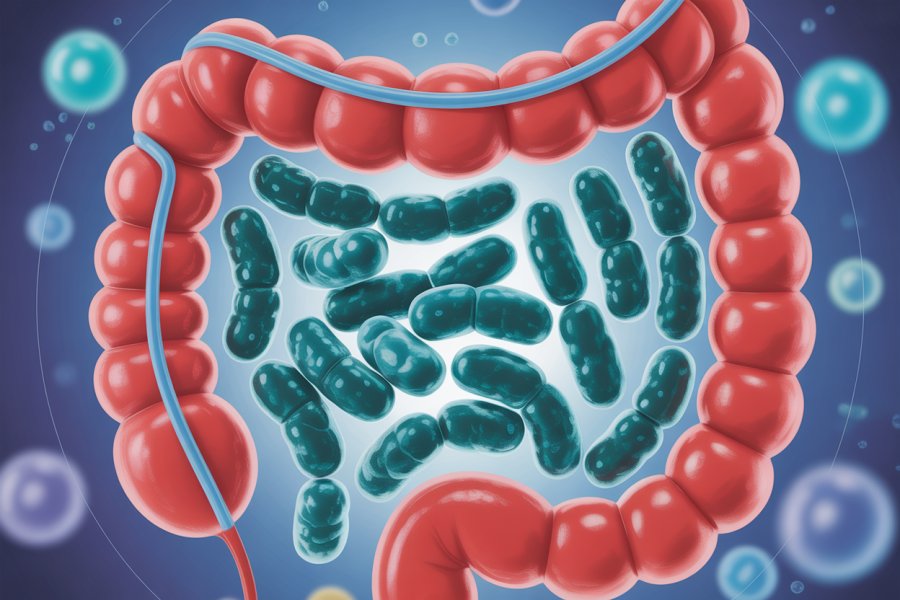
Our gut hosts a lively community of bacteria that play a crucial role in our health. These microorganisms help break down food, absorb nutrients, and support our immune defenses. When this microbial balance is maintained, digestion feels smooth, and overall wellness is easier to sustain. But life’s stresses—illness, antibiotics, poor diet—can disrupt this harmony, leading to digestive discomfort and even longer-term health issues.
That’s where probiotics come in. These are live microbes, often called “good bacteria,” that can help restore or support the natural balance in your gut. You’ll find them naturally in fermented foods like yogurt, kefir, sauerkraut, and kimchi, or as dietary supplements. The idea isn’t just to add more bacteria but to create an environment where beneficial microbes can flourish, aiding digestion, boosting immunity, and even influencing mood.
Understanding what probiotics are and how they work makes it easier to see their potential benefits. These microbes are specific strains of bacteria or yeast that, when consumed in adequate amounts, can provide health advantages. They help replenish beneficial bacteria after illness or antibiotic use and may reduce symptoms like bloating or irregularity. But not all probiotics are created equal—effects depend heavily on the strains used and individual factors like age, diet, and existing gut health.
While probiotics are often marketed as quick fixes for digestive issues, they aren’t a one-size-fits-all solution. Many healthy people with balanced diets might not need daily supplements or fermented foods for gut support. Instead, maintaining a diet rich in fiber and fermented foods naturally helps nurture a healthy microbiome over time. The key is understanding when probiotics are a helpful addition and when they’re unnecessary.
Probiotics shouldn’t replace healthy habits like eating fiber-rich foods, exercising regularly, managing stress, and getting enough sleep. These lifestyle factors form the foundation of good gut health. Probiotics can support these efforts, especially during times of vulnerability, but relying solely on supplements without addressing overall wellness limits their benefits. Recognizing their role within a broader health routine ensures they serve as a helpful tool rather than a dependency.
By appreciating the role of probiotics within the bigger picture of health, you can make smarter choices about their use. They are tools to support the microbiome, particularly during recovery from illness, medication use, or stressful periods. When used thoughtfully and in combination with healthy habits, probiotics can help keep your gut—and your overall health—strong and resilient.
Uncover the Real Potential and Boundaries of Probiotics
Probiotics can support gut health by helping maintain a balanced microbiome, which is essential for proper digestion, immune function, and overall wellness. However, their benefits are highly strain-specific and don’t work equally for everyone. Some probiotic strains may alleviate bloating or improve regularity, while others are more geared toward immune support. Choosing the right probiotic depends on your individual needs and understanding which strains are most likely to help.
It’s important to recognize that probiotics are not a guaranteed fix. For healthy individuals with a balanced diet, the effects tend to be mild or temporary, providing only short-term relief during stressful times or after illness. Overusing supplements can sometimes lead to discomfort, such as gas or bloating, which indicates that more isn’t always better. This highlights the importance of targeted, strategic use rather than constant supplementation.
The quality and effectiveness of probiotic products vary widely. Factors like the strains included, the number of live bacteria (measured in CFUs), and proper storage influence whether a product will deliver results. Not all supplements or fermented foods contain enough bacteria or are stored in a way that keeps the microbes alive until consumption. Additionally, individual factors—such as age, existing gut flora, and health conditions—play a significant role in how well probiotics will work for you.
Probiotics tend to be most helpful during specific moments when the gut is more vulnerable. For example, after antibiotic treatments, supplementing with targeted strains can help replenish beneficial bacteria. Similarly, during times of stress, travel, or major dietary changes, short-term probiotic use can support digestion and comfort. In these cases, the goal isn’t lifelong use but providing your microbiome with a temporary boost during recovery or adaptation.
While probiotics can be beneficial, they shouldn’t replace healthy habits like eating fiber-rich foods, staying active, managing stress, and getting enough sleep. These foundational practices naturally support your microbiome and overall health. Using probiotics thoughtfully—as part of a broader wellness routine—maximizes their potential without over-relying on supplements or risking side effects. When integrated properly, probiotics become a helpful tool to keep your gut resilient and functioning at its best.

Simple Strategies to Incorporate Probiotics Into Your Daily Life
Incorporating probiotics into your daily routine doesn’t have to be complicated or time-consuming. Starting with fermented foods like yogurt, kefir, sauerkraut, or kimchi offers a simple and natural way to introduce beneficial bacteria into your gut. These options are versatile, easy to add to meals or snacks, and help establish a consistent habit without much effort. Plus, they make healthy eating more enjoyable, adding flavor and variety to your diet.
If you prefer supplements, choosing quality products is key. Look for labels that specify the strains included and list the colony-forming units (CFUs). Following the recommended dosage and timing can improve the chances that the bacteria survive stomach acid and reach your intestines alive. Taking probiotics during or immediately after a meal provides additional protection for the microbes, enhancing their effectiveness.
Probiotics are particularly helpful after antibiotic treatments, which often wipe out both harmful and beneficial bacteria. Starting a targeted probiotic a few days post-medication can support your microbiome’s recovery. During times of stress, travel, or dietary shifts, a short-term course of probiotics can help maintain digestion and comfort. These moments aren’t about continuous use but about giving your gut a temporary boost when it’s most vulnerable.
Consistency matters more than frequency. Regular intake over several weeks tends to produce better results than sporadic use. For most people, incorporating fermented foods regularly or taking supplements during specific situations is enough to support gut health. Excessive doses or prolonged use without a clear need may lead to minor discomfort like gas or bloating, so listening to your body is important.
Recent advances in probiotic delivery, such as microencapsulation, help protect bacteria from stomach acid, ensuring more microbes reach your gut alive. Some products combine probiotics with prebiotics—called synbiotics—which nourish the beneficial bacteria and enhance their activity. These innovations make it easier to support your gut health reliably, even if you’re busy or new to probiotics.
Remember, probiotics should complement a healthy lifestyle. Eating a diet high in fiber and fermented foods naturally supplies beneficial bacteria without supplements. Staying active, managing stress, and getting enough sleep all support your microbiome independently. Using probiotics strategically—during recovery periods, stressful times, or after dietary changes—can boost these efforts without creating dependency.
By integrating probiotics thoughtfully into your daily routine, you support your gut with targeted, effective actions. Whether through food or supplements, the goal is to enhance your microbiome during vulnerable times and maintain overall balance. When combined with good habits, probiotics become a valuable part of a sustained approach to health, resilience, and well-being.
Expert Tips for Choosing and Using Probiotics Wisely
Many health professionals emphasize the importance of understanding your individual needs before starting a probiotic regimen. Not all strains or doses are equally effective for everyone, so selecting reputable brands that clearly specify the bacterial strains and CFU counts is crucial. This transparency helps ensure you’re choosing a product with the right potency and targeted benefits. Following dosage instructions and timing your intake around meals can significantly improve the survival rate of probiotics as they pass through stomach acid, increasing their chances of reaching the gut alive and effective.
Consulting a healthcare provider is especially wise if you’re recovering from illness, on medication, or dealing with underlying health conditions. A professional can recommend specific strains suited to your situation—whether you need digestive support, immune boosting, or recovery assistance after antibiotics. For many, incorporating fermented foods like yogurt or kefir regularly provides a natural, safe, and effective way to support gut health without the need for supplements.
Experts agree that probiotics tend to work best when used strategically rather than continuously. Short-term courses—such as during recovery from illness or antibiotic use—often deliver the best results. Targeted strains like Lactobacillus rhamnosus or Bifidobacterium bifidum are commonly recommended because their benefits are well-supported by research. Listening to your body is key; if you experience bloating or discomfort, it’s worth adjusting your intake or consulting a professional to refine your approach.
Timing your probiotic intake can also influence their effectiveness. Taking them during or immediately after meals offers protection from stomach acid, ensuring more bacteria survive the journey to your intestines. Combining this with consistent use over several weeks can enhance results, especially in vulnerable periods like travel or stressful times. Remember, the goal isn’t to rely on probiotics endlessly but to use them thoughtfully when your microbiome needs a boost.
Advances in probiotic technology, such as microencapsulation, are making it easier to get more bacteria into your gut alive. Some products now combine probiotics with prebiotics, creating synbiotics that nourish and support beneficial bacteria once they arrive. These innovations improve reliability and convenience, making probiotic use more effective even for those new to supplementation or with busy lifestyles.
While natural sources like yogurt and kimchi are excellent, product quality remains vital. Not all supplements or fermented foods contain enough beneficial bacteria or are stored properly to keep microbes alive. Choosing high-quality, well-preserved products tailored to your needs maximizes the likelihood of seeing genuine benefits. When used thoughtfully—aligned with a balanced diet, good sleep, and stress management—probiotics can be a valuable and strategic part of your overall health routine.
Future Trends and Promising Advances in Probiotic Science
Looking ahead, the future of probiotics holds promising advancements but also presents important questions. Researchers are exploring new strains and innovative delivery methods, like microencapsulation, designed to improve the survival rate of beneficial bacteria as they journey through stomach acid. These technological improvements aim to make probiotics more effective and reliable, ensuring more microbes reach the gut alive and ready to support health. At the same time, the development of synbiotics—combining probiotics with prebiotics—seeks to create a nurturing environment that enhances bacterial growth and sustains benefits over time.
Personalized probiotics are gaining attention, with the idea that treatments could be tailored to an individual’s unique microbiome. Such customization may significantly boost effectiveness and move us away from one-size-fits-all solutions. Although this approach is still in its early stages, ongoing research aims to identify which strains work best for specific health concerns, promising more predictable and consistent outcomes in the future. These innovations could transform how we approach gut health, making probiotic use more precise and impactful.
Despite the exciting potential, numerous questions remain. Long-term effects of regular probiotic consumption are not fully understood, and the interactions between different strains, lifestyle factors, and individual microbiomes are complex. Continuous research is necessary to clarify these relationships and to determine optimal usage strategies. This ongoing investigation underscores the importance of applying probiotics thoughtfully, as part of a balanced approach that includes diet, sleep, and stress management, rather than relying solely on supplements.
As science advances, we can expect probiotics to target specific health issues such as inflammation, immune support, or mental well-being. These specialized applications will require rigorous testing to ensure safety and efficacy. Consumers should stay informed and critically evaluate new products, especially as marketing claims sometimes outpace scientific evidence. Choosing high-quality, well-researched options and using them as part of a comprehensive health routine will maximize their benefits.
For now, probiotics are best viewed as a supportive tool rather than a cure-all. When used strategically—during recovery from illness, periods of stress, or after antibiotics—they can help maintain a resilient microbiome. Incorporating them into a broader routine of healthy eating, adequate sleep, and stress management ensures they complement your overall wellness. As research continues to unfold, the most effective approach is to stay informed, use probiotics thoughtfully, and recognize that their true power lies in supporting a balanced, healthy lifestyle.