When deciding where to service your vehicle, is a small, family-run garage truly better for long-term care, or do large chains offer the consistency and technological edge you need? Small garages excel in personalized service, building trust through community relationships and tailored attention, making them ideal for older or classic cars. Conversely, big chains prioritize efficiency, standardized procedures, and advanced diagnostic tools, ensuring reliable repairs across locations—especially valuable for newer vehicles or frequent travelers. As automotive technology evolves rapidly with electric vehicles and AI diagnostics, which type of garage will adapt faster? Future trends point toward garages investing in cutting-edge tools, certifications, and digital transparency to meet industry standards. Choosing a trusted, certified mechanic—whether local or national—remains crucial for maintaining your vehicle’s health and longevity. In a landscape of contrasts, the right choice hinges on your priorities: personalized care or technological reliability.
Choosing the Right Garage: Personal Touch vs. Nationwide Security
When your car needs maintenance or repairs, one of the biggest questions is where to take it. Should you rely on a small, family-run garage nearby, or opt for a large, nationwide chain with familiar branding? Both options come with their own set of advantages and potential drawbacks, and choosing the right one can make a real difference in your vehicle’s long-term health.
Small, independent garages often build their reputation on personal relationships and community trust. They tend to serve local neighborhoods for decades, relying on word-of-mouth and honest service rather than advertising campaigns. This personalized approach means you’re more likely to speak directly with the mechanic working on your car, rather than just a service advisor. Over time, they get to know your vehicle’s history, which can lead to more attentive, tailored care.
In contrast, large service chains focus on consistency and convenience. With standardized procedures, warranties, and pricing structures, you can expect the same level of service regardless of which branch you visit. These shops typically invest heavily in advanced diagnostic tools and ongoing technician training, ensuring they can handle complex electronic systems and newer vehicle models. For drivers who travel frequently or move often, the peace of mind that comes with nationwide warranties can be a major plus.
Deciding between these options isn’t just about cost or convenience; it’s about what matters most for your vehicle’s health and your experience. If you value a trusted relationship with a mechanic who remembers your car and offers honest advice, a small garage may be the best fit. But if you prioritize quick turnaround times, technological reliability, and the security of a nationwide warranty, a large chain could serve you better.
Both types of garages have their strengths, and the right choice depends on your specific needs and preferences. Whether you prefer the personal touch of a local shop or the streamlined efficiency of a big chain, understanding these differences helps you make an informed decision. In the end, the goal is to find a mechanic you can trust to keep your vehicle running smoothly for years to come.
Garage Types Unveiled: Trustworthy Local Shops and Reliable Big Chains
Small family-run garages are typically local, independent businesses that have built their reputation over years through personal relationships and community trust. These shops often serve a specific neighborhood or town, relying heavily on word-of-mouth and repeat customers. Their success depends on delivering honest, attentive service and maintaining a good rapport with clients. Because they usually have lower overhead costs than larger operations, they can often offer more competitive prices and greater flexibility in handling repairs. Mechanics at these garages tend to know their regular customers well, which allows for more tailored advice and a deeper understanding of each vehicle’s history.
The reputation of small garages hinges on quality work and trust. Many have longstanding relationships with local residents, who return for routine maintenance or repairs because they feel confident in the mechanic’s expertise. Transparency and open communication are central to their approach, with many owners willing to discuss repair options honestly and avoid unnecessary work. For owners of older or classic cars, having a trusted, community-based mechanic can be especially valuable, as they often require specialized knowledge and a personal touch that bigger shops may not provide.
However, not all small garages are the same. While some have kept pace with technological advances and invest in modern diagnostic tools, others rely on traditional methods that may not be suitable for newer vehicles with complex electronic systems. The level of expertise and equipment varies widely, which can influence the quality and speed of repairs. Vehicle owners should consider a garage’s experience with their specific make and model when choosing where to go, especially for complex or electronic-heavy repairs.
In contrast, large chains focus on consistency and convenience across multiple locations. They follow standardized procedures, branded service protocols, and often provide warranties that are valid nationwide. This approach appeals to drivers who value predictability and quick turnaround times, especially if they travel frequently or relocate. These shops invest heavily in advanced diagnostic technology and ongoing staff training, ensuring that their technicians can handle complex electronic systems and newer vehicle models with confidence.
The service experience at big chains can sometimes feel more transactional. Upselling and a focus on efficiency may reduce the personal touch, but the trade-off is often a reliable, uniform standard of service. Prices tend to be higher due to branding and corporate overhead, but the peace of mind that comes with a nationwide warranty and consistent quality can be worth it. These factors make large chains a practical choice for those prioritizing speed, predictability, and a broad service network.
Both types of garages have their strengths, and the best choice depends on your vehicle’s needs and your personal preferences. Small, community-based shops excel in personalized service, trust, and often better prices for routine work. Larger chains offer technological reliability, standardized quality, and peace of mind for more complex repairs or frequent travel. Understanding these characteristics helps drivers select the right environment to keep their vehicle in top shape over the long term.
Experience Top-Quality Automotive Care in Thornhill, Ontario
For residents of Thornhill, Ontario seeking reliable and comprehensive vehicle services, Beck Automotive Services is the go-to destination. As a trusted provider in auto repair, oil change service, brake repair, vehicle maintenance, car diagnostic services, tire services, engine repair, and transmission service, Beck Auto ensures your vehicle stays in peak condition. Additionally, they offer an extensive selection of used cars for sale, making it convenient to find your next vehicle. Committed to delivering customer-focused automotive care, their team prioritizes customer satisfaction and quality workmanship. For inquiries or to schedule a service, contact them at [email protected] or call (416) 222-6583. Experience the difference with Beck Automotive Services today!
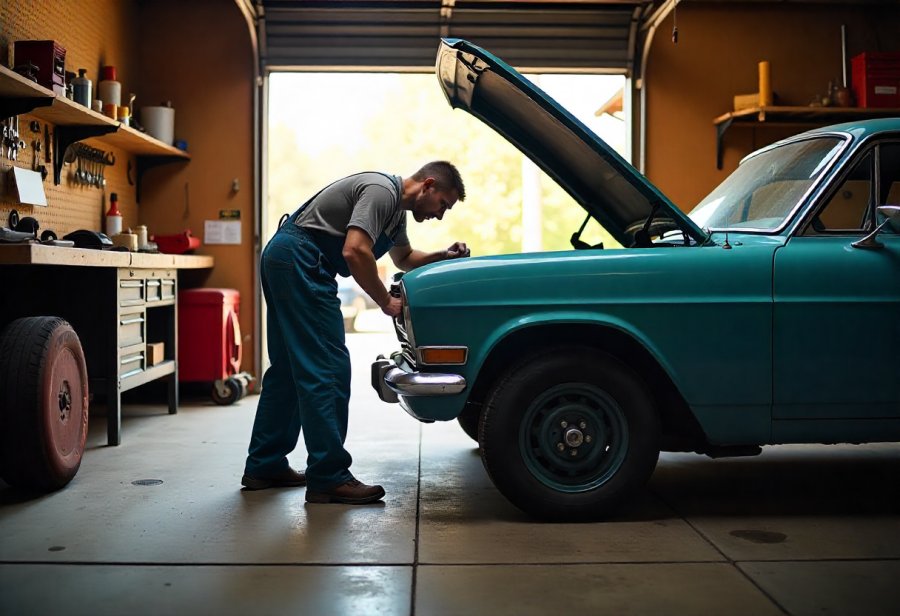
Modern Garage Standards: Delivering Quality, Price, and Customer Satisfaction Today
Today’s garages, whether small independent shops or large chains, have evolved significantly to meet the demands of modern vehicles and customer expectations. Small garages often emphasize personalized service, taking the time to understand each car’s history and tailoring their approach accordingly. They tend to offer flexible pricing and are more willing to discuss repairs openly, which helps build trust and loyalty. This personal touch can be especially beneficial for owners of older or classic cars, where familiarity and specialized knowledge make a real difference.
Large chains, on the other hand, focus on delivering consistent, reliable service across all their locations. They follow strict, standardized procedures designed to ensure quality no matter which branch you visit. Heavy investment in state-of-the-art diagnostic tools and ongoing staff training allows them to handle complex electronic systems and the latest vehicle models with confidence. Their structured processes and manufacturer-approved repair protocols help maintain high standards, giving drivers peace of mind.
Pricing strategies differ notably between the two. Chains typically offer transparent, fixed-price estimates and warranties that are valid nationwide. This standardization appeals to customers who value predictability and the security of a repair warranty, especially if they travel or relocate. Smaller garages often provide more flexible pricing options, discounts for loyal customers, and the ability to customize services based on individual needs. This flexibility can make routine maintenance more affordable and tailored.
Customer service experiences also vary. Small garages foster close relationships, with mechanics who recognize their clients and understand their vehicles’ quirks. This familiarity enables more transparent communication and personalized advice, creating a sense of trust that many owners find reassuring. Conversely, large chains tend to prioritize efficiency, with quick turnaround times and consistent service standards. While this can feel more transactional, it offers the advantage of predictability, especially for busy drivers.
Technological investment plays a crucial role in shaping current standards. Many small garages are adopting newer diagnostic tools, but their capabilities can vary widely depending on resources. Larger chains, with their greater infrastructure, stay ahead by continually updating equipment and training staff on the latest vehicle technologies. This ongoing commitment ensures repairs are accurate and comprehensive, which is vital for maintaining vehicle health over time.
Both types of garages are adapting to the changing landscape of vehicle technology and customer expectations. Clear communication, honest assessments, and warranties are increasingly becoming the norm across the industry. Whether you lean toward the personalized service of a small shop or the technological reliability of a big chain, choosing a reputable, certified garage remains essential. This focus on standards and continuous improvement guarantees your vehicle receives the best possible care, now and in the future.
Smart Choices for Your Car: Practical Tips for Picking the Perfect Garage
When choosing where to take your car, consider what your vehicle truly needs and how you prefer to interact with your mechanic. For routine maintenance like oil changes, tire rotations, or brake inspections, a trusted local garage can offer personalized service and flexibility that big chains often can’t match. Building a relationship with a familiar mechanic not only fosters trust but also ensures your car’s history is well understood, which can lead to more attentive and tailored care over time.
For newer vehicles or models with complex electronic systems, a larger chain might be the smarter choice. These shops invest heavily in advanced diagnostic equipment and manufacturer-approved procedures, making them better equipped to handle sophisticated repairs accurately. If you frequently travel or move, the peace of mind that comes with nationwide warranties and consistent service standards is a significant advantage, ensuring your vehicle is covered wherever you go.
Think about how you want to experience your service visits. Some people value the personal rapport and direct communication with a mechanic who knows their vehicle. Others prioritize speed and predictability, which large chains typically deliver through streamlined processes and quick turnaround times. Clarifying whether trust or convenience matters most to you will help narrow your options and find the right fit.
Before making a decision, do some research. Look for shops with certified technicians, positive reviews, and transparent pricing. Don’t hesitate to ask questions about warranties, repair processes, and parts quality—good mechanics will be open and clear. A reputable garage should be willing to explain repairs thoroughly without pushing unnecessary services, giving you confidence that your car is in capable hands.
Price is important, but it shouldn’t be the sole factor. Beware of shops offering significantly lower rates, which might cut corners or use inferior parts. Conversely, more expensive options aren’t always guaranteed to provide better service. Focus instead on finding a trustworthy, transparent mechanic who offers honest estimates and clear communication. That foundation of trust is key to ensuring your vehicle’s long-term health.
Establishing a reliable relationship with a good garage pays off over time. Loyal customers often enjoy better diagnoses, tailored advice, and repairs that respect their vehicle’s specific needs. Whether you prefer the personal touch of a local shop or the technological reliability of a big chain, choosing a reputable, certified mechanic will help keep your car running smoothly and extend its lifespan.
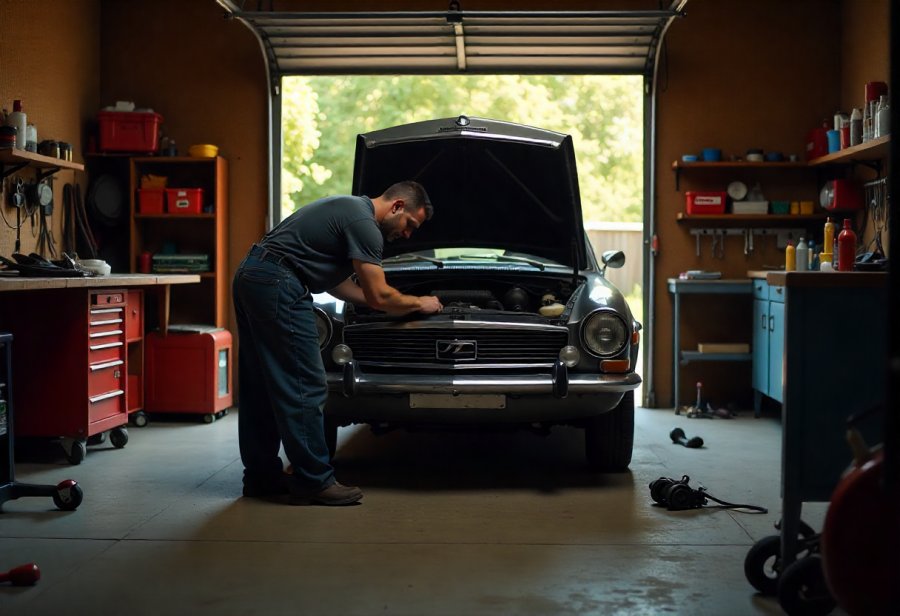
The Future of Garage Services: Embracing Technology, Industry Standards, and Innovation
Looking ahead, technological innovations are set to transform how garages operate and serve customers. Electric vehicles are becoming more common, and garages that invest early in EV-specific diagnostic and repair tools will have a competitive edge. These vehicles require different maintenance approaches, and shops equipped with the right technology can better support this shift. Automation and artificial intelligence are beginning to play larger roles in diagnostics, enabling mechanics to analyze data more quickly and accurately, often predicting issues before they manifest. This not only reduces repair times but also helps maintain vehicle health over the long term.
Industry standards are evolving alongside these technological advances. As cars grow more complex, garages will need to meet higher certification requirements and adopt stricter safety and environmental protocols. Ongoing training for technicians and continual upgrades to diagnostic equipment become essential. Garages that stay ahead of these standards will offer more reliable service and foster greater trust with customers who are increasingly aware of vehicle safety and environmental impact. This proactive approach ensures they remain relevant and capable of handling future vehicle technologies.
For smaller independent shops, embracing new tools and certifications early can differentiate them from competitors. Investing in EV technology and advanced diagnostics allows these garages to attract owners of modern vehicles seeking specialized care. Larger chains, with their extensive resources, are already pushing forward with these investments, aiming to uphold their reputation for high-tech, reliable service. Both types of garages that prioritize innovation will be better positioned to deliver value and quality over the coming years.
Digital tools are also reshaping customer interactions. More data is accessible online, enabling garages to provide clearer estimates, real-time updates, and detailed diagnostics through apps or online portals. This transparency builds trust, making repairs less stressful and more understandable. As these digital solutions become standard, vehicle owners can expect more efficient, precise service experiences that fit into their busy lives.
Staying informed about these trends is crucial for consumers. Asking garages about their investment in new technology, certification programs, and staff training can reveal their readiness for future vehicle demands. Choosing a service provider committed to ongoing learning and technological growth ensures your car benefits from the latest standards and innovations, helping to safeguard its performance and longevity.
Certification bodies and industry organizations will play a vital role in setting higher benchmarks for quality and safety. Certifications like ASE and manufacturer-specific training will become even more important markers of a garage’s capability to handle advanced vehicle systems. As vehicles evolve, selecting a garage with technicians who demonstrate continuous professional development guarantees a level of expertise that keeps pace with industry changes.
In essence, the garages of tomorrow will be defined by their ability to adapt swiftly to technological progress and industry standards. Whether through investing in EV-specific tools or embracing digital diagnostics, those who stay ahead will provide better, more reliable care. For vehicle owners, this means a future where repairs are faster, more accurate, and transparently communicated. Keeping an eye on these developments ensures you can choose a garage that’s not only prepared today but also ready for the road ahead.