A sudden drop in your Domain Rating (DR) might seem alarming, but is it truly a setback or just a recalibration? Recent updates from Ahrefs aim to prioritize genuine backlink quality over sheer volume, shifting the focus toward trustworthiness and relevance. This recalibration can cause dramatic score fluctuations that aren’t penalties but reflections of a more accurate, transparent metric. Understanding this shift is crucial: a lower DR doesn’t necessarily mean your authority has diminished, but it highlights the need to reassess your backlink profile. Building sustainable SEO now depends on earning high-quality, relevant links and maintaining a healthy backlink ecosystem—an approach that aligns with industry moves toward authenticity and trust. Are these fluctuations an opportunity to refine your strategy and strengthen your site’s real influence? Embracing this new paradigm leads to more resilient growth rooted in credibility, helping you navigate future algorithms with confidence.
Jump To Section
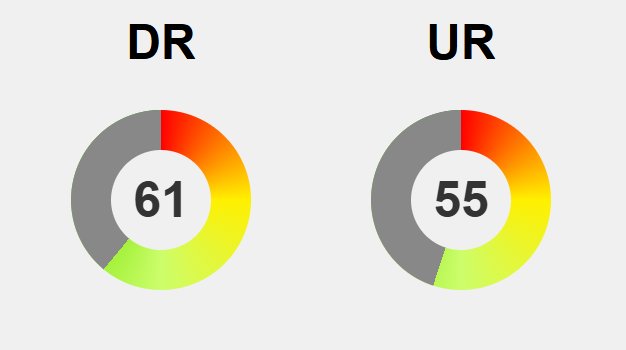
Unlocking the Truth Behind Domain Rating: Updates and Insights
Domain Rating (DR) is a key metric in SEO that helps website owners and marketers gauge how authoritative their site appears based on its backlink profile. It provides a quick snapshot of your site’s relative strength by analyzing the number and quality of links pointing to it. Generally, a higher DR indicates greater trust and influence within your niche, although it doesn’t directly influence Google rankings. Instead, it serves as a benchmark for comparing your site’s online authority against competitors.
Recently, Ahrefs rolled out a significant update to how they calculate DR scores. This change aims to make the metric more reflective of actual backlink quality, moving away from reliance on simple link volume or surface-level metrics. Instead, the new algorithm emphasizes trustworthiness, relevance, and the strength of backlinks, prioritizing quality over quantity. The goal is to provide a more accurate picture of genuine influence, helping users focus on building meaningful links.
This update has led to noticeable fluctuations in many websites’ DR scores. Some sites have experienced sharp drops, while others have seen slight increases. These changes aren’t penalties but part of a recalibration process designed to improve the reliability of the metric. Essentially, Ahrefs is refining how it measures authority to better mirror real-world backlink quality, which means some links now carry more weight, and others less.
Understanding this update is crucial because a sudden drop in DR doesn’t necessarily mean your site has lost authority or backlinks. It’s more about how the tool now evaluates your backlink profile. If your links are relevant, trustworthy, and high-quality, your actual influence probably remains intact—only the way it’s measured has shifted. Recognizing this prevents unnecessary concern and shifts your focus toward building a healthier backlink profile.
These fluctuations highlight how dynamic backlinks are. Gaining high-quality links from authoritative sites can improve your relative position, even if your profile stays unchanged. Conversely, backlinks from referring domains that lose authority can cause your score to fall. This fluidity underlines the importance of ongoing backlink management and quality-focused strategies in today’s evolving SEO landscape.
In the bigger picture, this recalibration aligns with broader industry trends. Search engines increasingly prioritize authentic relevance and trust, and tools like Ahrefs are adapting to measure these qualities more accurately. For website owners, this means focusing on earning genuine, high-quality backlinks rather than chasing superficial metrics. It’s a reminder that sustainable SEO relies on building real authority through valuable content and trustworthy links.
Decoding the Fluctuations: Why DR Scores Suddenly Change
DR scores can often seem unpredictable, especially after major updates like the recent one from Ahrefs. When you notice your DR suddenly dropping or jumping, it’s natural to worry that something’s gone wrong or that your site has been penalized. But more often than not, these fluctuations are due to recalibration—changes in how the tool measures your backlink profile—rather than a sudden loss of authority.
This recalibration occurs when SEO tools update their algorithms to better assess backlink quality, relevance, and trustworthiness. Instead of solely counting links or relying on surface metrics, the new models focus more on the actual trust and relevance of backlinks. As a result, some links that once contributed heavily to your score now carry less weight, causing your DR to shift unexpectedly. It’s not about losing links but about the tool becoming smarter at recognizing what truly matters.
When your DR dips unexpectedly, remember it’s not necessarily a sign of bad backlinks or penalties. If your backlink profile remains strong, relevant, and trustworthy, your actual influence probably hasn’t changed much—only the way it’s being measured has. These score changes reflect a shift toward more meaningful metrics, emphasizing quality over quantity, and creating a more accurate picture of real authority.
Another factor behind these fluctuations is the behavior of your competitors. When they gain high-quality backlinks or improve their backlink profiles, their scores rise, making your relative position seem weaker—even if your site stays steady. Similarly, backlinks from referring domains that lose authority over time also impact your score without any direct action on your part. This demonstrates how dynamic and fluid the backlink ecosystem truly is.
Low-quality, irrelevant, or spammy links that once might have contributed positively are now devalued under the new standards. If your profile relied on such links, your DR could fall as they are reweighted or discounted. This isn’t a penalty but a move toward prioritizing genuine, trustworthy links. These updates aim to promote healthier link profiles and more accurate measurements of true influence.
In essence, these fluctuations are part of the industry’s shift toward more transparent and reliable metrics. They serve as a reminder that superficial link quantity is less important than building a solid, relevant backlink profile. Recognizing that recalibration is behind most score changes helps prevent unnecessary panic and keeps your focus on long-term, sustainable SEO practices.
Instead of reacting impulsively to sudden DR shifts, view them as opportunities for reassessment. Concentrate on creating high-quality content and earning relevant backlinks. Building relationships with authoritative sites and maintaining a healthy backlink profile will help stabilize and improve your score over time, aligning your metrics with the industry’s push toward authenticity and trust.
Adapting Your SEO Strategy to Fluctuating DR: Long-Term Impact
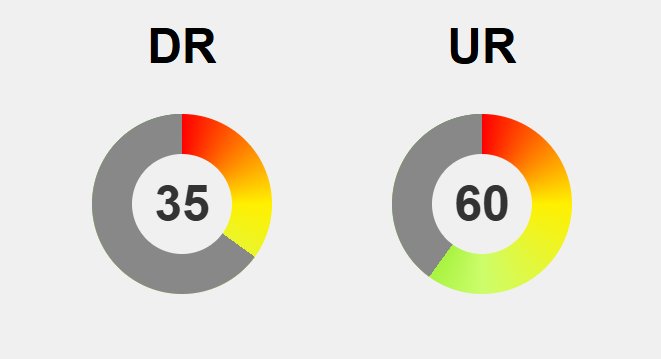
Fluctuations in Domain Rating, especially after major updates like Ahrefs’ recent recalibration, should reshape how you approach your SEO strategy. When your DR dips unexpectedly, it’s tempting to see it as a setback, but more often than not, it signals the need to reassess your backlink profile rather than a decline in your actual authority. Instead of panicking or rushing to chase quick fixes, use these score changes as an opportunity to focus on earning high-quality, relevant backlinks. Building relationships with trusted sites in your niche and creating content that naturally attracts genuine links will serve your long-term growth better than superficial link-building tactics.
This recalibration underscores the diminishing value of superficial link volume. If your DR drops because the new algorithm emphasizes trustworthiness and relevance, then your strategy should shift toward earning real authority through meaningful connections. Conduct regular backlink audits to identify low-value or spammy links and disavow those that do not contribute to your site’s credibility. Prioritizing trustworthy, niche-relevant backlinks aligns your efforts with the updated standards and helps rebuild a resilient domain authority over time.
Long-term planning must adapt to this evolving landscape. Instead of chasing rapid score improvements, focus on creating high-quality, valuable content—such as in-depth guides, original research, or industry insights—that naturally attracts authoritative backlinks. Content that genuinely resonates with your audience and industry peers is more likely to generate organic links, reinforcing your site’s expertise and trustworthiness. This approach not only aligns with industry shifts but also ensures your SEO efforts remain sustainable and less vulnerable to algorithm fluctuations.
Monitoring your backlink profile continuously is crucial. Keep an eye on the health and relevance of your referring domains, and be proactive in strengthening relationships with authoritative sites. Regular audits allow you to identify potential issues early—such as declining backlinks or harmful links—and address them before they impact your DR. Consistently maintaining a focus on quality over quantity helps your site remain resilient amid ongoing changes and reinforces your long-term authority.
These DR fluctuations are not signs of failure but signals to refine your strategy. They highlight that building genuine influence depends on authenticity, relevance, and trust—values that should guide your SEO practices. Embrace the opportunity to evaluate and elevate your backlink profile, content quality, and outreach efforts. Staying adaptable and committed to ethical growth will position your site for sustained success, regardless of algorithm updates.
In essence, fluctuations in DR are part of a broader industry shift toward more transparent, trust-based metrics. Instead of viewing these changes as setbacks, see them as a catalyst for more meaningful, effective SEO. Focus on earning relevant backlinks from authoritative sources, creating valuable content, and maintaining a healthy backlink ecosystem. These efforts will help you build a stable, credible online presence that can withstand future updates and industry shifts.
By aligning your long-term SEO strategy with these insights, you ensure your site’s authority is rooted in authenticity and relevance. This mindset not only improves your resilience against fluctuations but also positions you for sustained growth. Turn DR changes into a strategic advantage—by focusing on quality, trust, and value, you lay the groundwork for lasting online influence.
Understanding the implications of a sudden DR drop can be challenging, but staying informed about industry updates is essential. For more insights on recent changes and their impact, you can read about the latest developments in the industry at sudden DR drop. This knowledge helps you adapt your strategy proactively and maintain your site’s authority amid ongoing fluctuations.
Sustainable SEO in Action: Building Authority After DR Recalibration
Building sustainable SEO practices after a DR recalibration means shifting your focus from quick fixes to strategies rooted in authenticity and consistency. Quick link-building schemes or attempts to manipulate scores may seem tempting, but long-term success relies on creating valuable content that naturally attracts high-quality backlinks over time. Think in terms of in-depth guides, original research, or industry insights—these are the kinds of resources that earn genuine recognition and trustworthy links from authoritative sites.
Regular backlink audits become essential in this new landscape. Use tools like Ahrefs to identify low-value or spammy links that might be dragging your profile down. Disavowing or removing these links helps maintain a healthy backlink ecosystem aligned with the updated standards emphasizing relevance and trustworthiness. This ongoing effort ensures your profile stays resilient and focused on building real authority rather than superficial metrics.
Building relationships with authoritative, niche-relevant sites can significantly strengthen your backlink profile. Outreach, guest posting, and collaborations with industry leaders help you earn backlinks from trusted sources. These high-quality links carry more weight in the eyes of search engines and reinforce your site’s credibility. Over time, nurturing such relationships creates a stable, organic growth path that’s less vulnerable to sudden algorithm updates or fluctuations.
Content remains at the heart of sustainable SEO. Producing valuable, shareable resources that resonate with your target audience encourages organic backlinks and engagement. When your content demonstrates expertise and relevance, it naturally attracts recognition from industry peers and customers alike. This organic attraction not only boosts your authority but also aligns with the industry’s emphasis on authentic, trust-based metrics like E-E-A-T.
Patience and consistency are key. Instead of chasing immediate score improvements, invest in building a credible online presence through high-quality content and meaningful outreach. Monitoring your referring domains regularly allows you to stay ahead of potential issues and seize new backlink opportunities. Over time, these efforts will help establish a resilient, trustworthy domain authority that can withstand future shifts in search engine algorithms.
Focusing on genuine value, relevance, and trust creates a solid foundation for long-term SEO success. This approach not only aligns with the industry’s move toward more transparent, trust-based metrics but also ensures your website’s authority is built on a sustainable, ethical footing. Consistent efforts in content quality, backlink health, and authoritative relationships will keep your site strong and adaptable amidst ongoing industry changes.
Embracing the Future of SEO: Mastering the New DR Paradigm
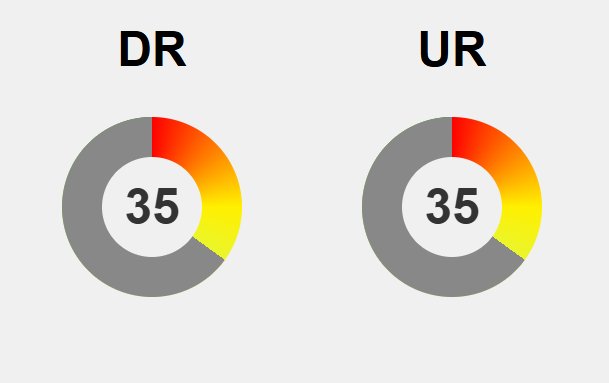
Understanding DR recalibrations goes beyond keeping up with algorithm changes; it reflects a fundamental shift toward more honest and meaningful metrics. The recent updates from tools like Ahrefs aim to measure genuine authority rather than superficial link volume. This change underscores the importance of building high-quality, relevant backlinks as the true foundation of long-term SEO success. Focusing on authentic influence over inflated scores helps create a more trustworthy online presence that search engines can recognize and reward.
Adopting ethical, sustainable SEO strategies isn’t just a best practice—it’s essential in today’s landscape. Search engines are becoming more sophisticated, increasingly rewarding sites that demonstrate real authority through valuable content and trustworthy backlinks. Investing in creating useful, relevant resources and earning backlinks naturally from reputable sources ensures your authority is rooted in credibility, not manipulation. This approach not only aligns with the industry’s move toward transparency but also guards your site against penalties and ranking volatility.
Fluctuations in DR are signals to refine your approach, not setbacks to panic over. When scores dip unexpectedly, it’s often a sign that superficial links are being devalued and that your focus should shift toward earning high-quality backlinks. Viewing these changes as opportunities to strengthen your backlink profile and improve your content creates a more resilient and authoritative site. Over time, this mindset fosters growth rooted in trust and relevance—elements that search engines prioritize in ranking algorithms.
Building a sustainable SEO foundation means emphasizing consistency and authenticity. Rather than chasing quick wins or shortcuts, invest in creating in-depth, valuable content that naturally attracts genuine backlinks. Regular backlink audits help identify and disavow low-quality or spammy links, keeping your profile clean and trustworthy. Cultivating relationships with authoritative sites through outreach and collaboration further reinforces your site’s credibility and long-term influence.
Patience is key in this evolving landscape. Sustainable SEO isn’t about rapid score improvements but about cultivating real authority that endures algorithm shifts. By focusing on content quality, relevance, and trustworthy backlinks, you build a resilient profile capable of withstanding future updates. This long-term approach not only aligns with industry standards but also ensures your efforts lead to meaningful, lasting growth.
In the end, understanding and adapting to DR recalibrations means embracing a more transparent, trust-based approach to SEO. Rather than viewing fluctuating scores as setbacks, see them as opportunities to deepen your focus on genuine influence. By prioritizing valuable content, ethical link-building, and ongoing profile management, you lay a solid foundation for sustained authority. This mindset positions your site not just for today’s algorithms but for continued success in the ever-changing digital landscape.