Could true leadership reside not in external power but in internal discipline? Marcus Aurelius exemplifies how inner strength—rooted in Stoic virtues like resilience, self-control, and moral clarity—can surpass even the most impressive conquests. As Roman Emperor, he navigated wars and plagues with humility and calm, demonstrating that genuine influence stems from mastery over oneself. Today, this timeless wisdom is more relevant than ever, guiding modern leaders through rapid change, societal upheaval, and internal uncertainty. Cultivating daily habits of reflection, mindfulness, and self-awareness builds a resilient core capable of enduring crises and inspiring trust. Future leadership will increasingly rely on authentic inner strength rather than superficial displays of power, emphasizing purpose, integrity, and patience. Are we prepared to prioritize inner discipline over external achievement? The legacy of Marcus Aurelius reminds us that the greatest empire of all begins within.
Contents
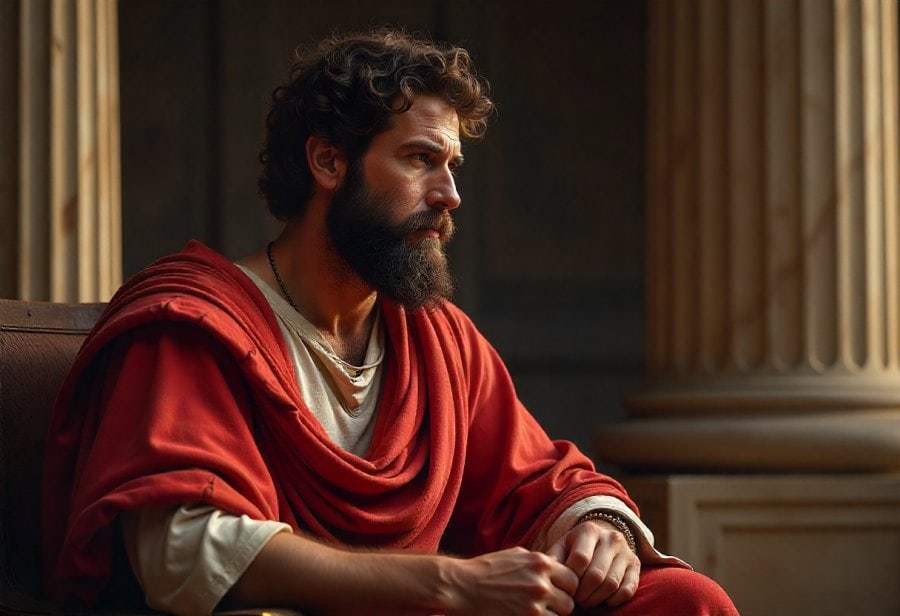
Inner Discipline: The True Source of Leadership Power
When we think about leadership and strength, it’s easy to focus on outward signs—victories, titles, displays of power. But history shows us that the most enduring leaders aren’t just defined by what they conquer; they’re shaped by what happens inside. This shift from external achievements to inner qualities is at the core of understanding true strength. Figures like Marcus Aurelius exemplify this idea, illustrating that real power comes from mastering oneself rather than dominating others.
Marcus Aurelius, Roman emperor from 161 to 180 AD, is often remembered for his philosophical pursuits more than his military campaigns. His writings in Meditations reveal a man committed to inner discipline, resilience, and moral clarity—traits that helped him navigate wars, plagues, and political upheaval. His leadership was rooted in self-control and moral integrity, not just in expanding the empire. This inner strength allowed him to govern with humility and patience, even amid chaos.
What makes Marcus’s example so compelling is how he balanced authority with humility. External power can be fragile, easily lost in moments of crisis. Inner discipline, however, acts as a steady foundation—something no external force can take away. Leaders who develop resilience, patience, and self-awareness create a core that remains resilient no matter what circumstances arise. Marcus’s life shows that true strength is about governing oneself first and foremost.
This focus on inner mastery aligns closely with Stoic principles. They teach us that while we can’t always control external events, we can control how we respond to them. That idea—that virtue and self-control lead to lasting influence—resonates deeply today. Leaders who prioritize internal qualities foster trust and integrity, inspiring loyalty far more than superficial displays of power. Inner discipline, then, becomes a vital part of authentic leadership.
In a world of rapid change and uncertainty, this internal approach feels more relevant than ever. Leaders who remain calm, reflective, and morally grounded can better navigate complex challenges. Developing daily habits of self-awareness and resilience builds a mental fortitude that sustains influence over the long term. Marcus Aurelius’s life reminds us that the true strength of a leader lies not in external conquests but in the ongoing effort to master oneself.
Marcus Aurelius: A Philosopher-Emperor’s Path to Inner Strength
Marcus Aurelius ruled as Roman emperor from 161 to 180 AD, a period marked by both external conflicts and internal stability. Unlike many of his predecessors driven by conquest and personal ambition, Marcus’s leadership was deeply influenced by philosophical principles, especially Stoicism. His writings in Meditations reveal a man committed to inner discipline, moral virtue, and resilience—traits that helped him navigate the upheavals of his reign.
Born in 121 AD in Rome, Marcus came from a privileged background and received a broad education in literature, rhetoric, and philosophy. Influenced early on by Stoic teachers, he embraced core virtues like self-control, rationality, and moral integrity. These values weren’t just intellectual pursuits but became guiding principles in his daily life, especially during times of crisis. His commitment to inner discipline shaped his approach to leadership, emphasizing moral strength over external displays of power.
Marcus believed that true strength came from within, a conviction reflected in his writings. During wars, plagues, and political turmoil, he maintained a focus on justice, patience, and self-mastery. Rather than seeking dominance through force, he prioritized stability and moral clarity, often tending to the sick himself and remaining calm amid chaos. His leadership was characterized by humility and a sense of duty, with a keen awareness of the fleeting nature of power and material wealth.
Throughout his reign, Marcus exemplified how philosophical ideals could be integrated into governance. His reflections on mortality and virtue fostered a leadership style rooted in moral integrity, which earned him respect beyond mere military accomplishments. His ability to govern with patience and inner resilience made him a ruler not just of an empire, but of his own mind. This inward focus created a form of strength that endured beyond external victories, demonstrating that true power lies in self-mastery.
The Roman Empire during his time stretched across Europe, Africa, and Asia, facing external threats and internal crises alike. Yet Marcus’s emphasis on inner discipline remained central to his leadership. His military campaigns were conducted with restraint and a focus on justice, avoiding cruelty and unnecessary conflict. His balanced approach—combining strength with humility—highlighted the importance of internal virtues in maintaining lasting authority.
Marcus Aurelius’s life stands as a testament to how philosophical principles can be woven into the fabric of leadership. His example illustrates that genuine strength arises not from conquest, but from mastering oneself. By cultivating inner resilience, he governed with dignity and moral clarity, leaving a legacy that continues to inspire the idea that the greatest empire is the one built within.
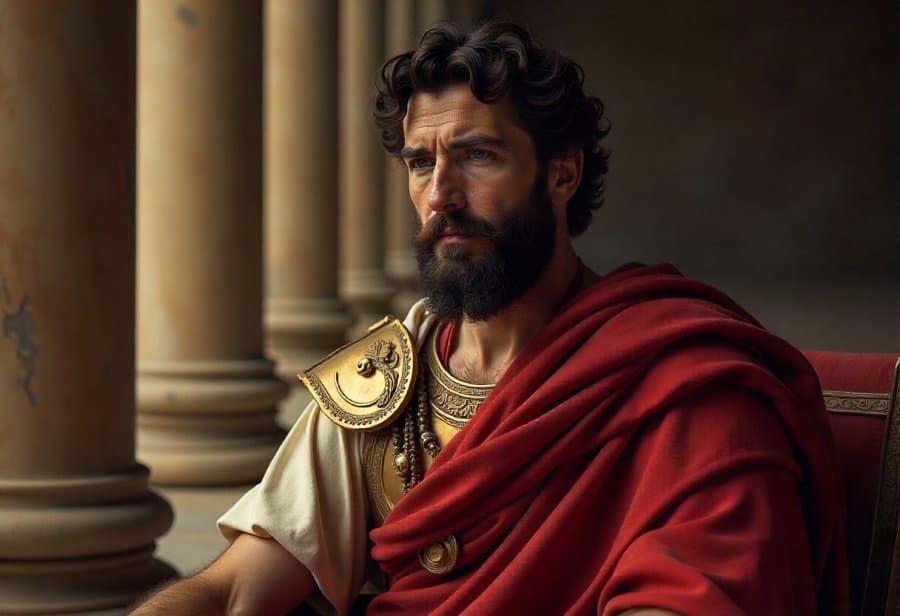
Why Inner Strength Matters Today More Than Ever
In today’s fast-moving, unpredictable world, the qualities Marcus Aurelius championed—inner discipline, resilience, and moral clarity—are more relevant than ever. Leadership isn’t just about bold decision-making or commanding authority; it’s about maintaining a steady, calm mind amid chaos. Leaders who develop inner strength can better handle rapid technological shifts, global crises, and societal upheaval. Cultivating self-awareness and emotional resilience creates a foundation that allows for thoughtful responses rather than impulsive reactions, fostering trust and confidence among followers.
Modern leadership models like transformational and authentic leadership echo the timeless virtues Marcus exemplified. These approaches emphasize empathy, transparency, and integrity—traits rooted in inner discipline. Leaders who prioritize their mental fortitude and moral compass deepen trust and inspire loyalty. Their ability to stay composed during tense moments and make principled choices sets a tone that encourages others to follow with confidence. This internal focus doesn’t weaken authority; it makes leadership more authentic and enduring.
Practicing inner discipline shows up daily in small, consistent choices. Maintaining composure during stressful situations, resisting knee-jerk reactions, and listening actively instead of defensively are signs of emotional resilience. These habits build mental fortitude over time, creating a resilient core that can navigate setbacks and uncertainties. Leaders embedding patience and self-control into their routines demonstrate that inner strength is cultivated through daily effort, not just innate talent.
Many successful contemporary leaders credit their ability to stay grounded and make ethical decisions to inner discipline. Figures like Satya Nadella, who champions mindfulness, and Jacinda Ardern, known for her calm compassion during crises, show how internal resilience translates into genuine influence. Their stories reinforce the idea that inner qualities like self-awareness and moral clarity are strategic assets. In a landscape where surface charisma can only carry so far, authentic inner strength often becomes the most powerful leadership trait.
Looking ahead, the emphasis on inner discipline is set to grow. As organizations face increasingly complex challenges, external displays of power are less effective than leaders who demonstrate self-awareness and moral integrity. Practices like mindfulness, ethical reflection, and emotional intelligence are already becoming core tools in leadership development. Leaders who embrace these disciplines will be better equipped to guide their teams through ongoing change, fostering resilient cultures rooted in wisdom.
This inward focus aligns with a broader societal shift toward valuing authenticity and integrity. People seek leaders who embody genuine self-awareness and purpose, rather than superficial displays of strength. Those who invest in their inner growth inspire trust and loyalty, creating a foundation that’s more lasting than any external achievement. The future belongs to leaders who recognize that true influence stems from within—a well-formed character and a calm, focused mind.
As the pace of change accelerates, continuous self-reflection and learning will become essential. Regular engagement with emotional intelligence, ethics, and mindfulness deepens inner resilience. Building networks of mentors and peers committed to growth reinforces this process. Making these practices habitual transforms inner discipline from an abstract ideal into an everyday leadership tool—enabling leaders to stay grounded amid chaos. Ultimately, cultivating inner strength isn’t a quick fix; it’s a lifelong journey that shapes authentic, impactful leadership.
Transforming Theory into Practice: Cultivating Inner Discipline Daily
Building inner discipline as a leader is a gradual process that benefits from consistent, intentional practice. Starting each day with a moment of reflection—reviewing your reactions, decisions, and emotional responses—helps increase self-awareness and identify patterns that may hinder your growth. Pairing this with mindfulness or meditation strengthens your ability to stay present and centered, especially during stressful moments. Over time, these small habits create a calm, clear mind that becomes second nature, forming the foundation for resilience in challenging situations.
In addition to mental practices, setting simple, achievable goals for self-control makes a noticeable difference. Before responding to a difficult email or navigating a tense conversation, pause briefly—breathe deeply and choose a measured, thoughtful reply. Repeating this pause regularly trains your mind to act with patience rather than impulsivity. Keeping a journal to track these moments reinforces your progress, highlighting growth and recurring triggers. These small, deliberate actions gradually build a sturdy inner core, supporting you through even the toughest decisions.
Seeking honest feedback and surrounding yourself with mentors committed to growth accelerates this journey. Constructive criticism reveals emotional reactions or blind spots that may otherwise go unnoticed. Embracing setbacks as learning opportunities helps you develop mental toughness, transforming challenges into stepping stones for improvement. Remember, setbacks aren’t failures—they’re essential parts of strengthening your discipline. Maintaining a growth mindset keeps your focus on continuous development, making inner discipline a natural part of your leadership style.
Tailoring your routines to fit your personality and circumstances ensures consistency and sustainability. Some leaders find physical practices like exercise or breathwork effective in reducing stress and sharpening focus. Others prefer creative outlets or journaling to process emotions and clarify values. The key is regularity—sticking with routines that resonate personally and making them an integral part of your daily life. This personalized approach embeds inner discipline into your identity, not just as an occasional effort but as a core aspect of how you lead.
Remember, cultivating inner discipline isn’t a one-time effort but an ongoing journey. Patience and honesty with yourself are essential. Each small step—whether through reflection, mindfulness, or deliberate responses—strengthens your ability to lead with integrity and calmness. Over time, you’ll notice a shift in how you handle pressure and uncertainty, transforming your leadership into a steady, dependable force. Developing inner discipline becomes a way of being—an authentic commitment to wisdom and self-mastery that sustains influence and inspires others.
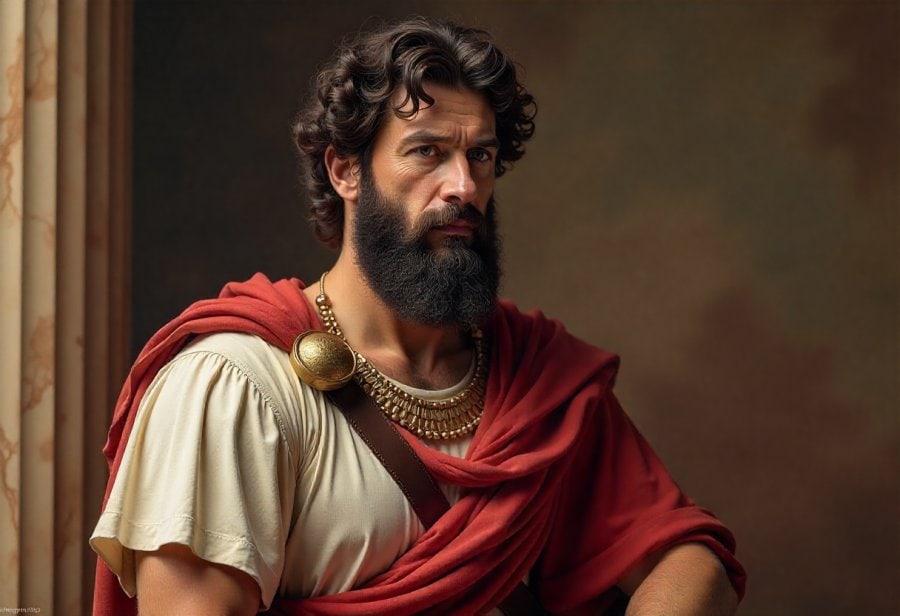
Looking Ahead: Embracing Inner Virtue as the Future of Leadership
Looking ahead, the emphasis on inner discipline as the foundation of effective leadership is poised to grow even stronger. As organizations and societies grapple with increasingly complex challenges, traditional models that rely solely on external symbols of power no longer suffice. Leaders who demonstrate self-awareness, emotional resilience, and moral clarity will stand out as the most capable of guiding their teams through uncertainty. Developing these qualities isn’t a luxury but a strategic necessity, as the world demands steadiness amid rapid change.
Innovations that blend ancient philosophies like Stoicism with modern psychology are reshaping how leadership is cultivated. Techniques such as mindfulness, journaling, and resilience exercises are becoming standard tools for nurturing mental fortitude. These practices help leaders build a steady core that remains resilient in the face of upheaval, enabling them to respond thoughtfully rather than react impulsively. As organizations adopt these methods, they foster cultures where inner discipline is valued as a shared strength, influencing decision-making and behavior across all levels.
This shift also reflects a broader societal desire for authenticity. People increasingly seek leaders who embody genuine self-awareness and purpose rather than superficial charisma. Leaders committed to inner growth inspire trust and loyalty, creating a foundation that’s far more enduring than any external achievement. The leaders of tomorrow will recognize that lasting influence depends on what’s inside—character, integrity, and a calm, focused mind—rather than fleeting displays of dominance.
To stay ahead, continuous self-reflection and learning will become central to leadership development. Regular engagement with emotional intelligence, ethics, and mindfulness deepens inner resilience. Building networks of mentors and peers dedicated to growth reinforces this process. Making these practices habitual transforms inner discipline from an abstract ideal into an everyday leadership skill—one that keeps leaders grounded even during chaos.
The future of leadership is increasingly leaning into internal resilience as a core asset. As external pressures mount, the most impactful leaders will be those who cultivate a well-rounded inner strength. They will lead with moral clarity, patience, and stability—qualities that inspire confidence and foster loyalty in a changing world. This inward focus isn’t a passing trend but a fundamental evolution that aligns with the timeless truth: true strength begins within.
Recognizing that inner discipline is not a quick fix but a lifelong journey, emerging leaders will prioritize personal growth as a core part of their role. This ongoing commitment to self-improvement will shape their decision-making and interactions, creating a ripple effect across organizations and communities. As they deepen their self-awareness, they will better navigate crises and set examples others aspire to follow.
In embracing these principles, future leaders will redefine what it means to lead effectively. Their influence will be rooted not in superficial displays but in authentic strength—built through discipline, reflection, and moral purpose. As they do so, they will foster environments where resilience and integrity are the norms, not exceptions. This shift promises a new era of leadership—one that’s sustainable, trustworthy, and truly impactful.