What do ancient hero Odysseus and modern vigilante Batman reveal about human nature and societal values? This compelling comparison explores how hero archetypes evolve yet remain rooted in universal traits like resilience, intelligence, and moral complexity. Odysseus embodies Greek ideals of cunning and endurance, navigating divine wrath and chaos with strategic wit—reflecting a society that prized mastery over natural forces. Conversely, Batman symbolizes contemporary fears of urban decay and moral ambiguity, relying on technology and moral flexibility to pursue justice. Their stories serve as cultural mirrors, revealing shifting hopes and fears: from mastery over divine chaos to maintaining order in a morally complex world. How do these contrasting heroes illuminate our collective ambitions and anxieties across eras? This essay challenges us to consider what qualities define heroism today and how these timeless archetypes continue to inspire resilience and moral resolve amid chaos.

Heroic Archetypes Across Cultures and Eras: From Myths to Modern Legends
Heroism isn’t confined to a single culture or era; it has taken many forms, evolving alongside human societies. Ancient myths celebrate heroes like Hercules and Odysseus, who embody strength, wit, and endurance, reflecting values of mastery over chaos and divine forces. In modern storytelling, figures like Batman continue this tradition but adapt it to contemporary fears—urban crime, moral ambiguity, and social decay. Despite the differences, both ancient and modern heroes serve as mirrors for what communities admire and fear. They embody traits like bravery, intelligence, and resilience, which remain central to heroism across time.
Across cultures and centuries, hero stories reveal what societies hold dear. In ancient Greece, heroism often centered on cleverness and perseverance, qualities exemplified by Odysseus’s cunning and endurance. His ability to outthink gods and monsters spoke to a culture that valued mastery over divine chaos. Today’s heroes, like Batman, are shaped by modern anxieties—urban threats, moral gray areas, and technological complexity. These stories reflect societal hopes for justice and stability, emphasizing mental agility and moral resilience as key heroic traits.
Hero archetypes also adapt to the fears and aspirations of their time. Odysseus’s journey highlights the Greek ideal of resilience and strategic thinking, portraying a hero who navigates divine wrath and mortal dangers with wit and endurance. In contrast, Batman’s vigilante role embodies contemporary concerns—operating in moral gray zones, relying on technology, and confronting urban disorder. His moral ambiguity underscores modern hopes for justice in a world where right and wrong are often blurred, showing how societal fears shape the nature of heroism.
By examining these archetypes side by side, we see that hero stories serve as cultural barometers. Odysseus’s cleverness and resilience mirror a society that prioritized mastery over divine chaos, emphasizing endurance and ingenuity. Batman’s reliance on innovation and moral complexity reflect a society preoccupied with justice, morality, and the challenges of maintaining order in a morally ambiguous landscape. Both figures reveal how societal hopes and fears influence the qualities heroes embody, making their stories relevant across generations.
Understanding heroism through Odysseus and Batman offers insight into our collective identity. Their stories highlight common human desires—to face chaos with resilience, to seek justice amid disorder, and to push beyond limitations. While their worlds differ, the core qualities they exemplify—cunning, endurance, moral strength—remain timeless. These archetypes continue to inspire, reminding us that heroism is not just about individual feats but about embodying the values that help societies endure and evolve in the face of ongoing challenges.
The Core Traits of Odysseus and Batman: Intelligence, Resilience, and Moral Nuance
Odysseus and Batman are both complex heroes whose core traits reveal much about the worlds they inhabit. Odysseus’s intelligence and cunning are central to his heroism. He relies on strategic thinking, quick wit, and adaptability to navigate dangers both divine and mortal. His ability to outsmart gods like Poseidon or devise clever tricks like the Trojan Horse highlights a mind that values mental agility as much as physical endurance. These qualities are rooted in a culture that prized mastery over chaos through cleverness and perseverance.
Batman, on the other hand, exemplifies relentless determination and sharp intellect. His heroism is built on technological innovation, detective skills, and psychological insight. Operating in the shadows of Gotham, he fights urban crime with a focus on moral ambiguity—sometimes crossing lines to achieve justice. His unwavering resolve and resourcefulness make him a symbol of mental toughness, reflecting modern concerns about societal disorder and moral complexity. Batman’s traits underscore the importance of strategic planning in a world where threats are often unpredictable and morally gray.
Both heroes are driven by a sense of resilience—Odysseus through physical endurance and mental resourcefulness, Batman through psychological toughness and adaptability. Odysseus’s ability to endure exile, monsters, and divine punishment speaks to a perseverance that defines Greek heroism. Batman’s resilience is evident in his constant battle against Gotham’s villains, often facing moral dilemmas that test his resolve. Their resilience isn’t just about surviving but about mastering their environments through intelligence and moral strength.
Morally, both characters operate in shades of gray. Odysseus’s willingness to deceive and manipulate reflects a pragmatic approach—sometimes morally flexible actions are necessary for the greater good. Batman’s moral ambiguity is central to his character; he operates outside conventional law, driven by a personal sense of justice that often challenges societal norms. Their moral complexities remind us that heroism isn’t about purity but about navigating difficult choices with integrity and resolve.
Cultural influences shape these traits profoundly. Odysseus’s cunning and endurance mirror Greek values of mastery over divine and natural forces. His story celebrates mental agility and perseverance as virtues essential for survival. Batman’s traits, meanwhile, are a product of modern anxieties—urban decay, moral decay, and the limits of justice—where technology and moral flexibility are vital tools. These heroes embody the qualities their societies deem necessary to confront their specific fears and hopes.
In essence, Odysseus and Batman reveal that heroism transcends simple strength. It’s rooted in intelligence, resilience, and moral complexity—traits that adapt to societal needs. Their stories reflect universal human qualities but also serve as mirrors to the values and fears of their respective cultures. By understanding their core traits, we gain insight into how hero archetypes evolve while remaining grounded in the enduring human pursuit of mastery, justice, and resilience in the face of chaos.
Societal Fears and Dreams: How Hero Stories Reflect Collective Anxieties and Aspirations
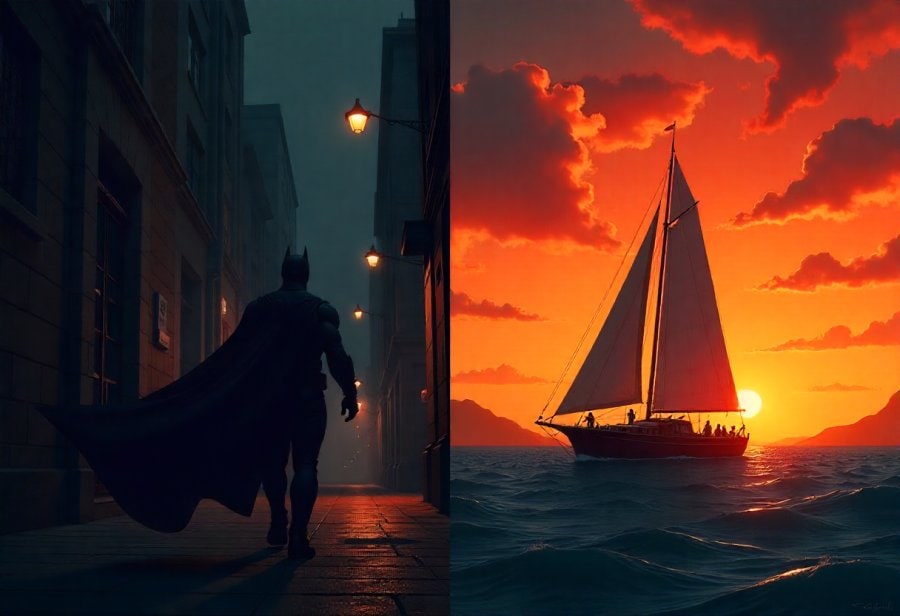
Societal fears and hopes play a key role in shaping how heroes like Odysseus and Batman are constructed and understood. In ancient Greece, the primary concern was chaos—divine wrath, natural disasters, and war—that threatened social order. Odysseus’s cleverness and resilience became symbols of humanity’s ability to navigate this chaos. His stories reassured society that wisdom, endurance, and strategic thinking could overcome divine punishment and mortal dangers. His ability to outwit gods and monsters reflected a collective hope for mastery over uncontrollable forces and a desire for stability amid upheaval.
Fast forward to the modern world, and the fears have shifted. Today’s anxieties often revolve around crime, moral decay, and urban disorder. Batman embodies these fears, standing as a symbol of society’s hope for justice in a chaotic city. His moral ambiguity and relentless pursuit of criminals reveal a society anxious about the limits of justice and the fragility of moral boundaries. Batman’s vigilante persona isn’t just about fighting crime; it’s about confronting the darker aspects of human nature that threaten social stability, echoing contemporary concerns about morality and order.
The differences between these heroes also highlight how societal hopes have evolved. Odysseus’s cunning and resilience mirror a culture that valued mastery over divine and natural chaos, emphasizing individual ingenuity and perseverance. In contrast, Batman’s reliance on technology, detective work, and moral flexibility reflects a society preoccupied with justice and moral complexity. His stories suggest a desire to uphold societal values even when faced with moral ambiguity and systemic failures, illustrating how fears about social decay shape heroic ideals.
Cultural anxieties influence the narrative arcs of both figures. Odysseus’s long journey symbolizes the Greek fear of exile and disconnection—chaos disrupting social cohesion. His perseverance reassures that resilience and intelligence can restore harmony. Batman’s ongoing fight against Gotham’s villains echoes urban fears of decay and moral decline, with his moral gray areas symbolizing the ongoing struggle to maintain order amid moral ambiguity. Both heroes serve as reflections of their society’s deepest hopes—resilience and justice—and its fears—disorder and moral collapse.
As societal fears shift, so do the qualities heroes embody. Odysseus’s mastery over divine chaos through wit and endurance mirrors a culture that prized mental agility and perseverance. Batman’s reliance on innovation and moral nuance shows a society concerned with justice in a morally complex, urban setting. Their stories are more than entertainment; they are cultural blueprints, revealing what each society fears losing and hopes to preserve. These heroes remind us that hero stories are mirrors reflecting collective anxieties and aspirations, guiding societies through turbulent times.
In the end, Odysseus and Batman reveal that hero archetypes are deeply intertwined with societal hopes and fears. Their stories echo the universal human desire to confront chaos, restore order, and protect social cohesion. Whether through cunning or technology, resilience or moral resolve, they embody traits that resonate across generations. Their narratives continue to inspire, serving as cultural models of strength and perseverance amid uncertainty, reminding us that heroism is rooted in the collective effort to face and overcome our deepest fears.
Understanding how these heroes embody their respective societal fears and hopes offers valuable insights into the evolution of hero archetypes. For a deeper exploration of their traits and what they reveal about different cultures, consider this comparative analysis of odysseus and batman’s heroism traits, which highlights the enduring significance of these figures across history.
What Odysseus and Batman Reveal About Human Ambitions and Society’s Deepest Desires
Odysseus and Batman serve as powerful symbols of human ambition, revealing deep-seated desires that shape both individuals and societies. Odysseus embodies the Greek ideal of mastery over chaos through cunning, endurance, and resilience. His journey highlights a universal aspiration: to overcome adversity by outsmarting obstacles and enduring hardships. This drive for mastery reflects a culture that prizes wisdom, strategic thinking, and perseverance as essential virtues for survival and success. Batman, in contrast, symbolizes a modern version of this ambition—an individual striving to impose order on a chaotic world using technology, intelligence, and moral resolve. His relentless pursuit of justice underscores a desire for societal stability and safety, even if it means operating in moral gray areas.
Both heroes demonstrate how societal values shape their traits and stories. Odysseus’s cleverness and resilience echo a culture that admired mastery over divine and natural chaos, emphasizing mental agility and perseverance. His navigation of divine wrath and exile mirrors a belief that intelligence and endurance are the best tools against chaos. Meanwhile, Batman’s reliance on technological innovation, detective skills, and moral ambiguity reflects modern anxieties—urban decay, moral decline, and the limits of justice—where progress and moral flexibility are vital. Their stories reveal that heroism is rooted in traits valued by their societies, serving as mirrors of collective hopes and fears.
These archetypes also show how societal hopes evolve over time. Odysseus’s journey, rooted in Greek desires for resilience and cunning, symbolizes a culture that prioritized mastery over divine and natural chaos to restore social harmony. Conversely, Batman’s narrative emphasizes the importance of justice in a morally complex urban landscape, highlighting contemporary concerns about moral ambiguity and systemic decay. Their stories remind us that heroism is not static but adapts to reflect what societies fear losing—order, stability, or moral integrity—and what they hope to preserve for the future.
At their core, Odysseus and Batman reveal different facets of human ambition: the longing for mastery over chaos and the pursuit of societal order. Their tales demonstrate that these ambitions are dynamic, shifting with societal fears and hopes but always anchored in universal qualities like resilience, intelligence, and moral strength. These heroes remind us that the drive to confront chaos and forge stability is a timeless human trait, expressed in ways that resonate across eras. Their stories inspire us to face our own challenges with resilience and moral clarity, showing that heroism is a reflection of our collective aspirations to endure and thrive amid uncertainty.
Synthesizing Insights: How Odysseus and Batman Embody Humanity’s Eternal Struggles and Aspirations
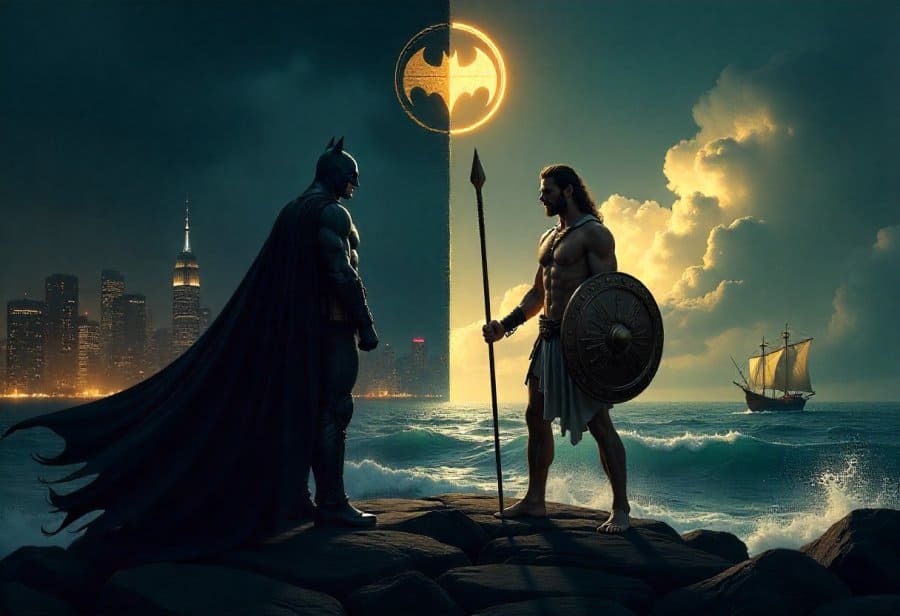
Odysseus and Batman stand as powerful symbols of human ambition, each embodying the deep-seated desires that drive individuals and shape societies. Odysseus reflects the Greek ideal of mastery over chaos through cunning, endurance, and resilience. His journey highlights a universal aspiration: overcoming adversity by outsmarting obstacles and enduring hardships. This drive for mastery underscores a culture that values wisdom, strategic thinking, and perseverance as essential virtues for survival and success.
Batman, in contrast, exemplifies a modern iteration of this ambition—an individual striving to impose order on a chaotic world using technology, intelligence, and moral resolve. His relentless pursuit of justice reveals a desire for societal stability and safety, even if it means operating in moral gray areas. Both heroes demonstrate that resilience and strategic thinking are key to confronting complex threats and restoring balance, regardless of the era.
Examining these archetypes together reveals how societal values shape their traits and stories. Odysseus’s cunning and endurance mirror a culture that prized mastery over divine and natural chaos, emphasizing mental agility and perseverance. Meanwhile, Batman’s reliance on innovation and moral flexibility reflects contemporary anxieties—urban decay, moral ambiguity, and systemic threats—highlighting how fears about justice and morality influence heroic ideals.
These stories also show that hopes and fears evolve with society. Odysseus’s resilience symbolizes a culture that prioritized mastery over divine chaos to restore harmony. Conversely, Batman’s moral complexity and technological reliance mirror a society preoccupied with justice amid urban disorder and moral uncertainty. Their narratives serve as cultural blueprints, illustrating what each society fears losing—stability, order, or moral integrity—and what it aspires to preserve.
At their core, these heroes reveal different facets of human ambition: the longing for mastery over chaos and the pursuit of societal order. Their stories demonstrate that these ambitions are dynamic, shifting with societal fears and hopes but always rooted in universal qualities like resilience, intelligence, and moral strength. They remind us that the drive to confront chaos and build stability is a timeless human trait.
These archetypes also act as mirrors of collective identity. Odysseus’s cunning and perseverance embody a culture that values mental agility and endurance as keys to overcoming divine and natural chaos. Batman’s reliance on technology and moral nuance reflect modern concerns about urban decay, systemic injustice, and moral ambiguity. Both figures inspire us to face our own challenges with resilience and clarity, illustrating that heroism is rooted in the collective effort to endure, adapt, and thrive.
In the end, Odysseus and Batman show that hero stories are more than tales of individual feats—they are reflections of societal hopes and fears. They embody the universal human drive to confront chaos, seek justice, and forge a better future. Their enduring appeal lies in how well they capture the qualities of resilience, strategy, and moral resolve—traits that continue to resonate across generations and inspire us to face our own struggles with courage and purpose.