In a rapidly evolving business landscape, seamless and customizable communication is no longer a luxury but a necessity. How can organizations harness innovative solutions to enhance network efficiency and simplify deployment? Grandstream’s cutting-edge telephony devices offer a game-changing answer. Their carrier-grade IP phones, supported by cloud management platforms like GDMS, enable rapid, large-scale deployment with centralized control—transforming complex setups into streamlined operations. This shift from traditional hardware-heavy systems to flexible, cloud-managed networks unlocks new levels of agility, scalability, and security. Whether upgrading small offices or deploying thousands of endpoints across multiple locations, Grandstream’s solutions empower organizations to respond swiftly to changing needs while maintaining high call quality and security standards. But as networks grow smarter and more interconnected, how can businesses ensure their communication infrastructure remains resilient and adaptable? The future belongs to those who leverage these innovative tools to connect faster, manage smarter, and stay ahead in a competitive digital world.
Elevate Your Business Communications with FiberConX’s Advanced VoIP Solutions
Looking to enhance your business phone system in Canada? FiberConX Communications offers top-tier VoIP & IP business phone services designed to meet your needs. Experience seamless features like voicemail, IVR, Ring Groups, and voicemail-to-mail, ensuring you stay connected and professional. Our cutting-edge solutions support popular devices such as the Grandstream GXP2170, Grandstream GRP2615, GRP2614, and GRP2634, providing flexibility and reliability for your team. Contact FiberConX today at 1.800.961.6856 or email [email protected] to learn how we can transform your communications infrastructure.
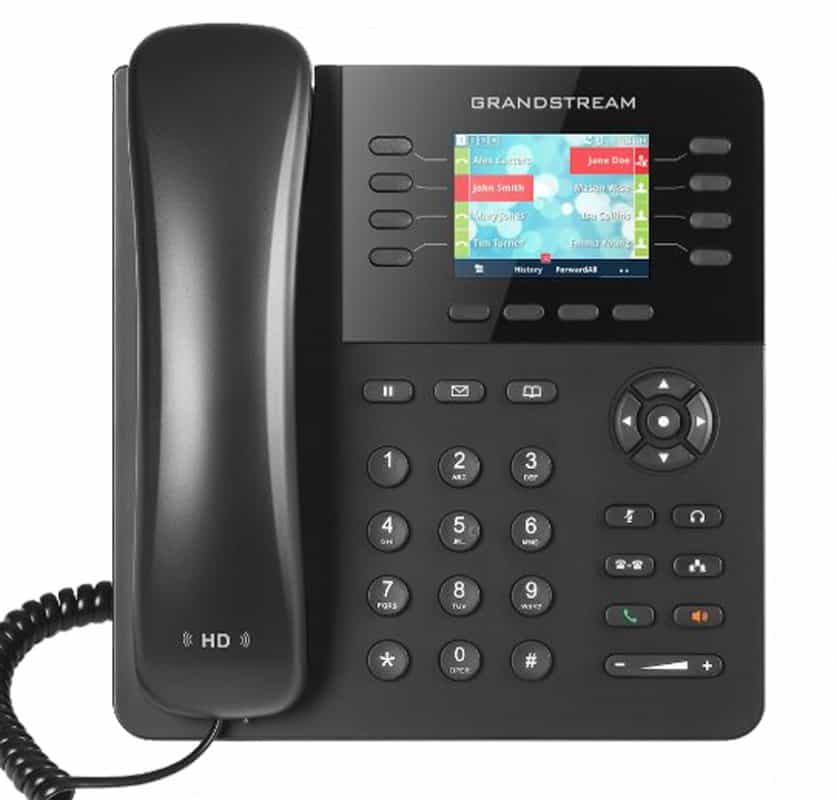
Revolutionize Your Business Communication with Customizable Telephony Solutions
In today’s fast-moving business world, clear and reliable communication isn’t just a bonus—it’s a necessity. Companies of all sizes are under pressure to stay connected, support remote teams, and respond swiftly to customer needs. As these demands grow, so does the importance of flexible, customizable telephony solutions that can keep up. Moving away from traditional landlines and hardware-heavy systems, organizations are now exploring smarter, more adaptable communication networks tailored specifically to their workflows and goals.
Customizable telephony solutions are revolutionizing how businesses manage their networks. Instead of relying on rigid, one-size-fits-all systems, companies can now design communication infrastructures that align perfectly with their operational needs. Whether it’s a small office upgrading to IP phones or a large enterprise deploying thousands of endpoints, the goal is to create a system that’s as agile and scalable as the business itself. This approach ensures seamless growth and adaptation, making communication a true enabler rather than a source of friction.
The shift toward digital and IP-based telephony has been a game changer. Early systems depended heavily on on-premises hardware, which often meant lengthy installation times and ongoing maintenance costs. Today’s solutions leverage internet protocols to transmit voice and data over the same network, dramatically reducing expenses and boosting scalability. Devices like IP phones and cloud-managed platforms facilitate quick setup, remote management, and continuous updates—features that are critical for organizations needing to adapt rapidly and minimize downtime. This digital transformation enables businesses to stay connected without the constraints of traditional systems.
However, the real power of these modern solutions lies in how they transform the entire approach to communication. Today’s systems integrate voice with messaging, video, and collaboration tools, creating a unified experience that enhances productivity and customer engagement. Cloud-managed telephony empowers IT teams to configure, monitor, and troubleshoot remotely, simplifying management and reducing operational disruptions. By removing physical barriers and streamlining updates, organizations can respond faster to changing needs, all while maintaining high-quality, reliable communication channels.
Understanding these core concepts is vital for making smart decisions about your communication infrastructure. The right solution should be reliable, flexible, and easy to scale—supporting your current operations and leaving room for future growth. As telephony technology continues to evolve, choosing a system that can adapt to new features, deployment models, and security standards ensures your network remains competitive and resilient. This foundation prepares your organization to leverage innovative devices and platforms, like those from Grandstream, to further boost efficiency and simplify deployment.

Master Core Concepts for a Resilient, Scalable Telephony Infrastructure
Business communication systems form the essential backbone of modern workplaces, enabling teams to collaborate efficiently, serve customers effectively, and keep operations running smoothly. These systems are more than just phones or messaging platforms; they are integrated networks that bring together various devices and software to deliver clear, reliable, and scalable communication. From IP phones to VoIP gateways and management tools, each component plays a vital role in ensuring your organization stays connected and responsive. Understanding how these elements work together is crucial because the quality of your communication infrastructure directly influences productivity, customer satisfaction, and overall business performance.
A flexible and well-designed communication system isn’t simply about having the latest hardware—it’s about tailoring that setup to meet your unique needs. Different organizations have different workflows, team sizes, and security requirements, which means solutions should be adaptable. Selecting devices and platforms that are easy to configure and expand ensures your infrastructure can grow alongside your business. Reliability is equally important; a system that supports high-quality, uninterrupted calls helps maintain professionalism and keeps your team connected at all times. When your communication lines are stable and resilient, your operations run more smoothly and your service remains consistent.
Telephony technology has come a long way from the days of manual switchboards and analog landlines. Those early systems provided basic voice service but lacked flexibility. Digital systems improved sound quality and introduced features like call forwarding and voicemail, but the real breakthrough was IP-based telephony. Voice over Internet Protocol, or VoIP, allows voice data to travel over the same internet connection used for data transfer. This shift not only cuts costs but also opens up new possibilities for integration with other digital tools. Organizations can embed voice within broader digital ecosystems, seamlessly connecting calls, messaging, and collaboration platforms, which boosts overall communication efficiency.
Deploying these systems has become more straightforward than ever. Traditional PBX systems, while offering control and security, often involved complex hardware setups and costly maintenance. Cloud-based telephony solutions changed that landscape by enabling remote provisioning and management. With cloud-managed platforms, organizations can configure, monitor, and update devices from anywhere, reducing setup time and administrative effort. This flexibility allows for rapid scaling, whether adding new users or deploying new features, without disrupting ongoing operations. As a result, businesses can respond quickly to evolving needs, minimizing downtime and administrative overhead.
Security and standards are critical considerations in maintaining reliable communication networks. As organizations increasingly rely on digital solutions, safeguarding sensitive information becomes a top priority. Protocols like TLS and SRTP encrypt voice and data streams, ensuring conversations stay private. Network standards such as VLANs and QoS help prioritize voice traffic over less critical data, maintaining call quality even during peak usage times. Regular firmware updates and remote diagnostics strengthen security and performance, helping organizations prevent disruptions and defend against cyber threats. Building a secure, standards-compliant network is essential for supporting growth while maintaining trust and data integrity.
The evolution of telephony technology reflects a shift toward smarter, more adaptable communication platforms. Today’s organizations need solutions that are not only reliable but also flexible enough to support future innovations. Choosing systems that integrate seamlessly with existing tools, scale effortlessly, and support new communication channels positions your business for continued success. By understanding core concepts—customization, reliability, integration, deployment, and security—you can make smarter decisions that enhance your network’s efficiency and resilience. This foundation prepares you to leverage innovative devices and platforms, like those from Grandstream, to simplify deployment and elevate your business communication to the next level.
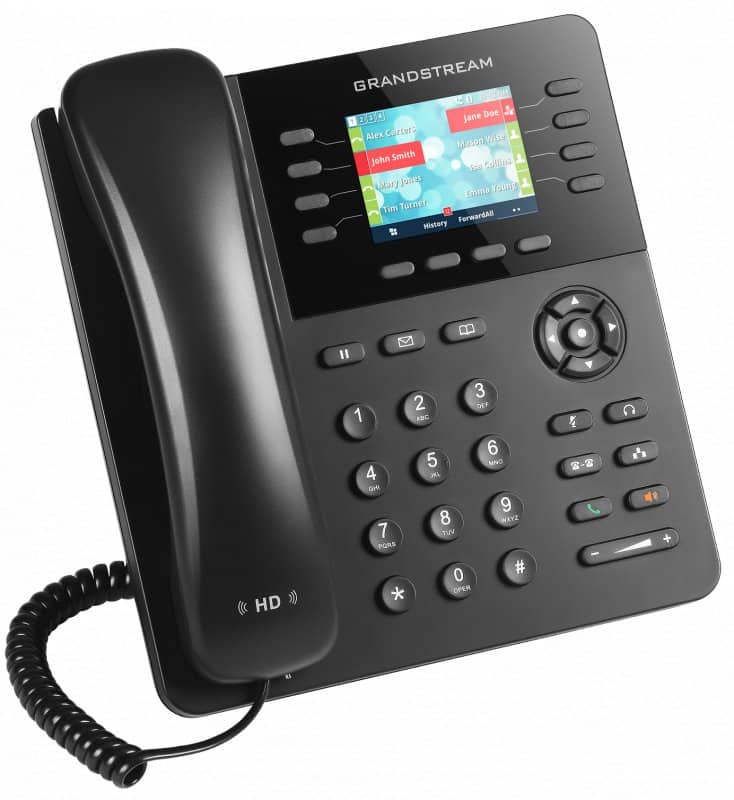
Transform Network Efficiency and Deployment Speed with Grandstream Devices
Grandstream’s devices are revolutionizing how organizations enhance network efficiency and streamline deployment. Their IP phones, especially the carrier-grade GRP series, are built for rapid, large-scale rollout, making them ideal for businesses looking to expand quickly without sacrificing quality. These devices support cloud management platforms like GDMS, which put centralized control at IT teams’ fingertips. With remote configuration, monitoring, and updates, managing hundreds or even thousands of endpoints becomes significantly simpler and faster, reducing both administrative workload and chances for error.
Traditional telephony setups relied heavily on on-premises hardware like PBX systems and analog phones, which could be complex and costly to scale. Manual configuration and physical management often slowed deployment and increased downtime. Grandstream’s cloud-managed solutions change this game. They enable remote provisioning and management of devices, allowing businesses to deploy new endpoints or make updates without on-site visits. This not only accelerates the deployment process but also provides flexibility to adapt swiftly to changing needs—whether adding new users, upgrading features, or reconfiguring settings—all without interrupting daily operations.
The versatility of Grandstream’s lineup makes it suitable for a wide range of environments. Small offices can upgrade from legacy systems with affordable, feature-rich IP phones that support HD audio and multiple lines. Larger enterprises benefit from devices designed for mass deployment, supporting uniform setup across thousands of endpoints. Built for durability and ease of management, these devices ensure that as your network grows, your communication infrastructure scales effortlessly, maintaining high quality without increasing complexity or administrative burden.
Remote management platforms like GDMS give organizations a central dashboard to configure devices en masse, troubleshoot remotely, and deploy firmware updates instantly. This level of control means issues are resolved faster, new features are rolled out smoothly, and operational disruptions are minimized. For distributed teams or multi-location setups, this capability is a game-changer, enabling consistent, reliable communication regardless of where users are located. It also reduces the need for physical presence, saving time and resources.
Cloud-managed solutions from Grandstream support quick deployment timelines, enabling businesses to set up new communication systems within days rather than weeks. This agility is critical in today’s fast-paced market, where office openings, remote expansions, or infrastructure upgrades often need to happen on tight schedules. Devices that support network optimization features like QoS and VLAN segmentation ensure high-quality, stable voice calls even during peak traffic. Regular firmware updates and remote diagnostics further enhance security and operational reliability, future-proofing your investment.
Choosing devices that integrate seamlessly with existing digital ecosystems maximizes the return on your investment. Grandstream’s IP phones and management platforms are designed to work smoothly with various VoIP providers, collaboration tools, and security protocols. This interoperability ensures your communication infrastructure remains flexible and adaptable, ready to incorporate future innovations and integrations without costly overhauls. It’s about building a resilient, scalable network that evolves with your business.
In essence, Grandstream’s innovative devices are setting a new standard for network efficiency and deployment simplicity. They empower organizations to implement personalized, scalable communication solutions that support growth and agility. By leveraging cloud management and mass deployment capabilities, businesses can reduce setup time, lower costs, and improve service consistency. This approach transforms the way enterprises manage their networks, making high-quality communication more accessible, manageable, and aligned with modern operational demands.
Ultimately, adopting Grandstream’s solutions means embracing a smarter, faster way to connect. It’s about deploying personalized communication systems that adapt seamlessly to your evolving needs, ensuring your network remains resilient and competitive. With their range of reliable, easy-to-manage devices and cloud-based tools, Grandstream makes it easier than ever to upgrade your business communication infrastructure—helping you stay ahead in a rapidly changing digital landscape.