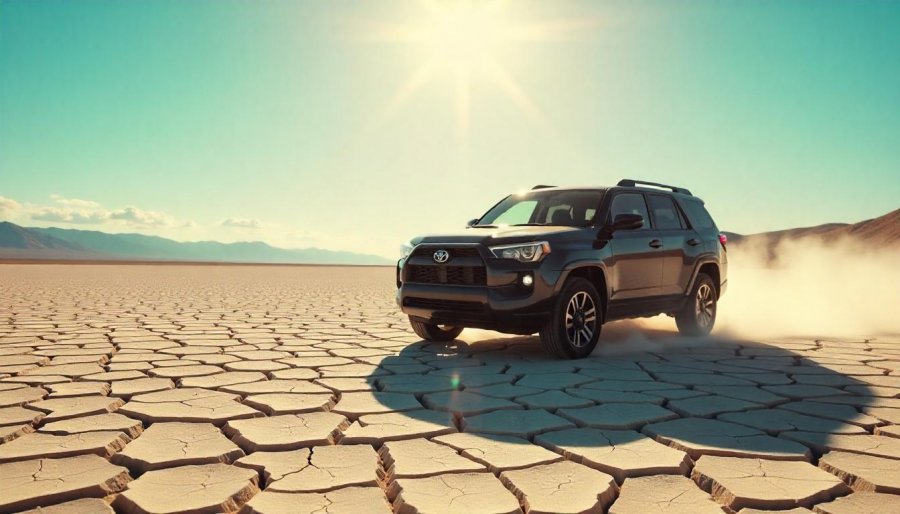
Step back into the golden age of American muscle cars with the 1970s Chevrolet SS, a symbol of raw power, bold design, and rebellious spirit. This era defined performance with engines like the legendary 454 V8, roaring to up to 450 horsepower, wrapped in aggressive lines, racing stripes, and vibrant hues that commanded attention. These cars weren’t just transportation—they embodied freedom, individuality, and a culture of speed fueled by street racing and community camaraderie. Despite challenges like rising fuel costs and stricter regulations, their legacy endures, inspiring modern reinterpretations with eco-friendly innovations. As electrification and technology reshape performance vehicles, the core allure of muscle cars—attitude, style, and adrenaline—remains unchanged. The future promises a seamless blend of past and innovation, ensuring the roar of the muscle car legacy continues to excite new generations of enthusiasts worldwide. Can the spirit of these iconic vehicles adapt without losing its rebellious edge?
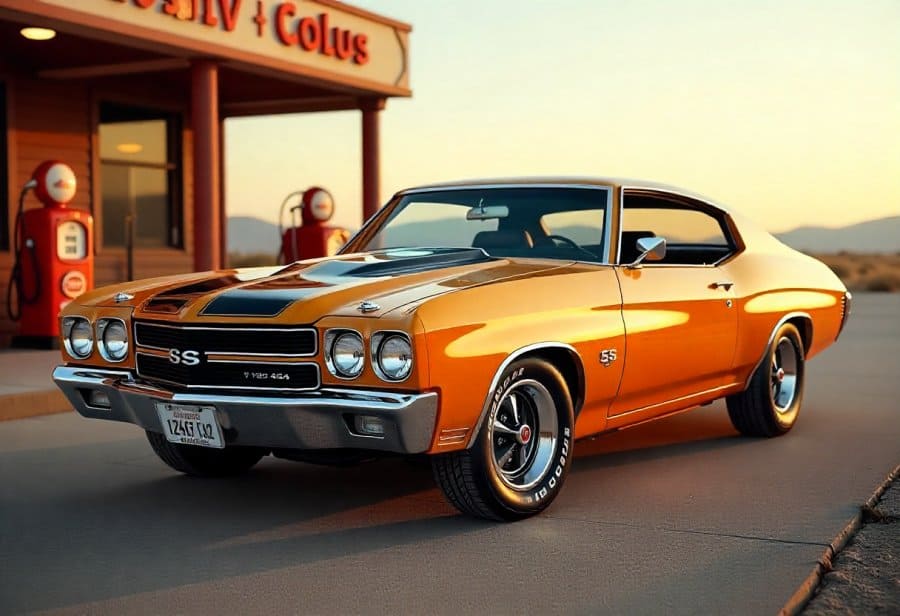
Unleashing the Power and Style of the 1970s Chevrolet SS
The 1970s marked the peak of the muscle car era, a time when American automakers fused performance with striking design to create vehicles that became cultural icons. Cars like the Chevrolet SS emerged as symbols of raw power, rebellion, and innovation, capturing the imagination of enthusiasts and casual drivers alike. These weren’t just modes of transportation; they were rolling expressions of attitude, designed to turn heads and deliver exhilarating speed at a moment’s notice.
This decade was defined by a relentless pursuit of horsepower and bold styling. The Chevrolet SS, especially the Chevelle SS 454, exemplified this with its massive engine capable of producing up to 450 horsepower. It was a car built for those who craved dominance on the street or track, offering thunderous acceleration and a commanding presence. Driving a muscle car like the SS wasn’t just about getting from point A to B—it was about experiencing a visceral connection to power and performance.
Design played a crucial role in elevating these cars beyond mere transportation. Sharp, aggressive lines, racing stripes, and wide wheel arches created a look that was as intimidating as it was beautiful. Bright hues like Hugger Orange and Marina Blue signaled confidence and speed, long before the engine roared to life. Features such as cowl-induction hoods and chrome accents further reinforced their performance pedigree, making each vehicle a bold statement on wheels.
The muscle car boom also fostered a vibrant community. Street racing, drag strips, and car clubs turned these vehicles into symbols of freedom and rebellion. Stories of modifications, restorations, and high-speed runs became part of a shared legacy that still resonates today. The Chevrolet SS, in particular, stood out as a badge of honor, representing a bold era where innovation and attitude went hand in hand.
Despite challenges like rising fuel prices and tighter regulations, the impact of these cars endures. They continue to inspire modern performance vehicles and collector restorations, proving that their legacy is more than just nostalgia. The muscle cars of the 1970s remain a testament to American ingenuity, a time when horsepower and style defined a generation and pushed the boundaries of what cars could be.
Muscle Cars as Symbols of Freedom and Cultural Identity
Muscle cars like the 1970s Chevrolet SS are more than just machines; they are powerful symbols of American freedom and identity. Their loud engines and bold, aggressive designs evoke a sense of rebellion and independence that defined an entire generation. For many enthusiasts, these cars represent a nostalgic escape to an era when horsepower ruled the roads and the open highway was a canvas for adventure. The roar of a vintage muscle car isn’t just noise—it’s a declaration of power and individualism that still resonates today.
The Chevrolet SS from this period stands as an icon of American muscle, embodying the boldness and raw performance that made these cars legends. Its commanding presence, paired with a thunderous V8 engine, made it more than just a vehicle; it became a cultural emblem of strength and speed. Styling cues like aggressive lines, racing stripes, and vibrant colors reinforced its purpose: to stand out and deliver excitement. Over time, this model became a symbol of rebellion, freedom, and American ingenuity, capturing the spirit of an entire era.
The vintage muscle car aesthetic is instantly recognizable, defined by bright colors such as Hugger Orange or Marina Blue that shouted confidence and power. Muscular contours, wide wheel arches, and racing-inspired details like cowl-induction hoods not only looked intimidating but hinted at the performance beneath. Chrome accents and rally wheels added flair, transforming each car into a rolling piece of art. These design elements weren’t just about style—they embodied a love for speed, attitude, and self-expression that fueled the muscle car culture.
Listening to a vintage muscle car roar is a visceral experience that transports enthusiasts back to sun-drenched highways and late-night drag races. The deep, guttural growl of the big-block engine isn’t just sound; it’s a sensory reminder of a time when driving was about more than just getting somewhere—it was about freedom, rebellion, and making a statement. For many, that engine’s roar became part of their identity, a soundtrack to an era when cars symbolized independence and boldness.
Beyond their mechanical and aesthetic appeal, muscle cars like the Chevrolet SS played a significant role in shaping American culture. They appeared in movies, TV shows, and music, becoming symbols of toughness and resilience. Car clubs and racing events fostered a community of passionate fans who shared stories of modifications and victories, turning these vehicles into enduring icons. Restoring and showcasing these cars at shows or on social media keeps the legacy alive, inspiring new generations to appreciate their history and significance.
The allure of muscle cars extends far beyond their specifications; it’s rooted in a shared sense of rebellion and pride. These vehicles captured the imagination of a nation, embodying the spirit of freedom and innovation that defined American automotive culture. Their stories of power, style, and community continue to inspire enthusiasts around the world, ensuring that the cultural mythology of muscle cars remains as vibrant today as it was during their prime.
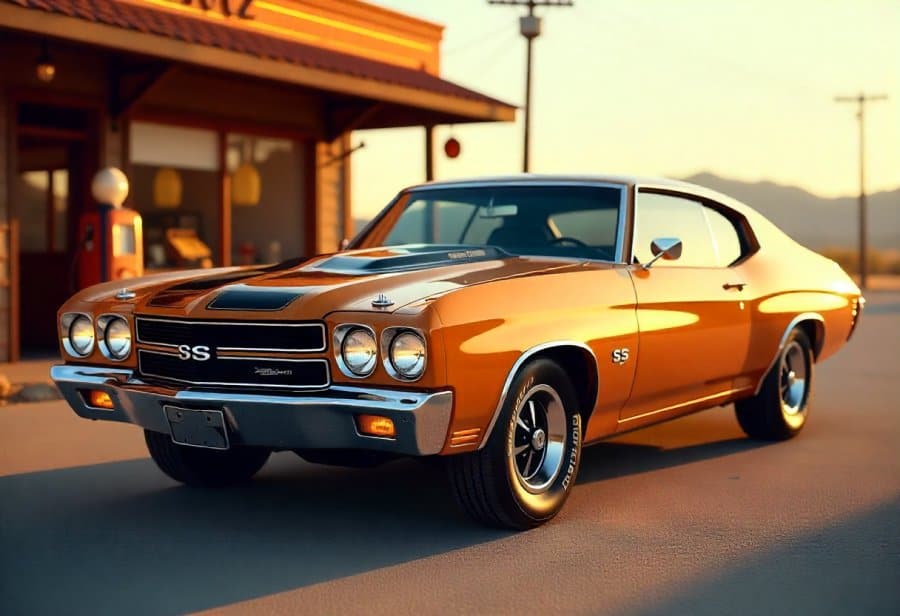
The Golden Age of Muscle Cars: Legends on Wheels
The golden age of muscle cars, stretching from the late 1960s into the early 1970s, was a period of bold innovation and fierce competition among American automakers. It was a time when performance and style collided in spectacular fashion, giving birth to some of the most iconic models in automotive history. Manufacturers pushed engines to their limits, creating machines that weren’t just fast—they were legends on wheels. The Chevrolet SS, especially the Chevelle SS 454, exemplified this era’s spirit, showcasing raw power that set new standards and captured the imagination of enthusiasts nationwide.
Key moments defined this era. The introduction of high-horsepower engines like Chevrolet’s legendary 454-cubic-inch V8, known as the LS6, delivered up to 450 horsepower. This engine transformed ordinary cars into street monsters capable of tearing up roads and drag strips alike. Meanwhile, striking design choices—bold lines, racing stripes, and wide wheel arches—gave these cars an aggressive, commanding presence that refused to be ignored. Bright colors like Hugger Orange and Marina Blue became signatures, signaling confidence and speed before a single engine roared to life.
Design trends broke away from conservative norms, emphasizing a muscular aesthetic that conveyed power at a glance. Features like cowl-induction hoods and chrome accents weren’t just visual cues—they were badges of performance and attitude. Every curve and detail worked in harmony to create a look that was as intimidating as it was beautiful, embodying the rebellious spirit that fueled muscle car culture. These vehicles weren’t just transportation; they were moving works of art that declared their owners’ love for speed and style.
This period also saw a burgeoning culture centered around street racing and drag racing, where these machines proved their worth in real-world battles. Young drivers and seasoned racers alike flocked to streets and tracks, eager to test their cars’ limits and carve out a reputation. Car clubs and enthusiast groups formed around these vehicles, sharing stories of modifications and victories that cemented muscle cars as symbols of freedom and rebellion.
However, the excitement was tempered by external pressures. Rising fuel prices, stricter emissions standards, and insurance costs led to detuning and design changes, dimming some of the wildest ambitions of the era. Despite these challenges, the innovations from this golden age laid a foundation that continues to influence performance cars today. The bold styling, engineering breakthroughs, and rebellious attitude established a legacy that endures.
The impact of these muscle cars extends beyond their raw specs. They became cultural icons, appearing in movies, music, and art that celebrated toughness and resilience. Car clubs and vintage races keep the spirit alive, connecting new generations to the thrill of high performance and bold aesthetics. Restorations and shows serve as living proof that the muscle car’s legacy is still very much alive, inspiring pride and passion among enthusiasts worldwide.
In sum, the golden age of muscle cars was more than a chapter in automotive history; it was a defining moment of American ingenuity and rebellion. The models born during this time, like the Chevrolet SS, set the blueprint for speed, style, and attitude that still resonate today. They remind us that true muscle cars are about more than horsepower—they embody a spirit that refuses to fade, forever fueled by the roar of engines and the pursuit of excellence.
Real-World Stories and Enduring Legacy of Muscle Car Enthusiasm
The cultural mythology of muscle cars like the Chevrolet SS lives vividly through the stories and memories of enthusiasts who experienced their thrill firsthand. Many recall late-night drives with the roar of the engine and the thrill of feeling the open road beneath them—moments that defined a sense of freedom, rebellion, and adventure. These cars weren’t just modes of transportation; they were symbols of independence, personal expression, and a shared identity rooted in American muscle car culture.
For owners, owning a muscle car like the Chevelle SS becomes a deeply personal connection to history. Tom, for example, inherited his grandfather’s 1972 SS when he was a teenager. The memory of turning the key and hearing that iconic V8 come alive still sparks a sense of nostalgia and pride. Lisa spends weekends restoring her vintage SS, meticulously returning it to its original condition. For both, these cars serve as tangible links to a bygone era marked by speed, style, and a rebellious spirit.
Restoring and maintaining these classics isn’t just a hobby; it’s a way of preserving a piece of history. Enthusiasts spend hours sourcing authentic parts and carefully bringing their cars back to life. Car shows and vintage races become opportunities to showcase their craftsmanship and share stories of transformation. Watching a restored Chevelle SS tear down a track or shine brightly at a local meet is a celebration of dedication and passion, reinforcing the enduring love for muscle cars.
The sound of a vintage muscle car roaring to life remains a visceral memory for many fans. That deep, guttural growl isn’t just noise; it’s a sensory reminder of an era when driving was about more than just getting somewhere—it was about asserting freedom and individuality. For enthusiasts, that engine’s roar becomes part of their identity, a soundtrack to a time when cars symbolized independence and boldness.
Beyond their mechanical and aesthetic appeal, muscle cars like the Chevrolet SS played a vital role in shaping American culture. They appeared in movies, music, and art, becoming symbols of resilience and toughness. Car clubs and racing events fostered a community that shared stories, modifications, and victories, creating a sense of belonging among fans. This collective passion keeps the legacy alive, with each restored vehicle and every gathering reinforcing the mythos of muscle cars.
The pride in owning and restoring these vehicles helps pass down a tradition of dedication and love for American horsepower. Every show and social media post keeps the stories alive, inspiring new generations to appreciate their significance. These cars embody more than performance; they represent a rebellious spirit that continues to resonate, making their legacy resilient and relevant.
Even today, the roar of a vintage muscle car echoes through time, reminding us of a vibrant, rebellious culture that celebrated speed and style. The stories behind these vehicles—full of adventure, camaraderie, and pride—continue to inspire enthusiasts worldwide. They serve as a testament to American ingenuity and the enduring desire to push boundaries, ensuring that the legacy of muscle cars remains a powerful part of automotive history.
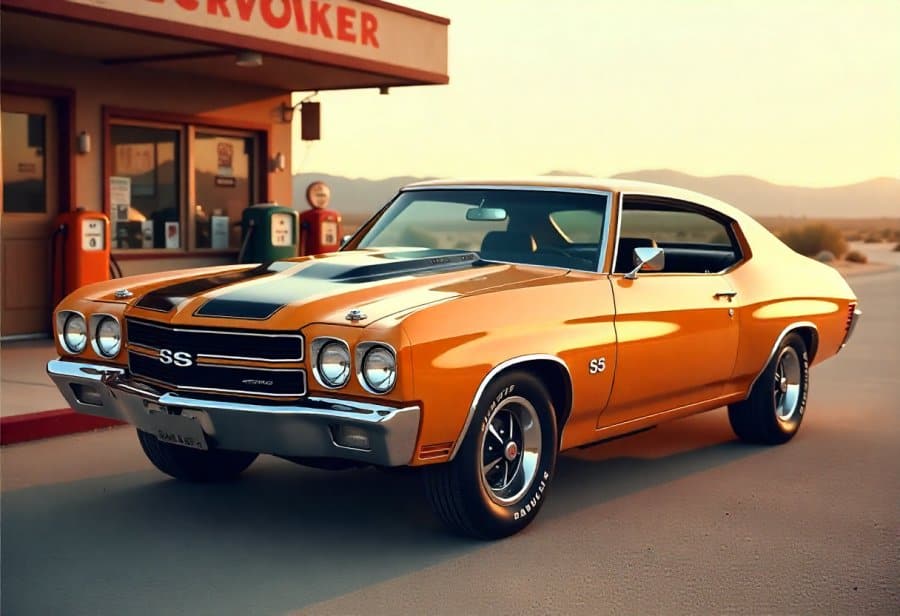
The Future of Muscle Cars: Innovation Meets Rebellion
Looking ahead, the future of muscle cars like the Chevrolet SS will blend the raw spirit of the past with cutting-edge innovation. As environmental concerns grow and regulations tighten, automakers are exploring ways to keep the thrill of high performance alive while making vehicles more sustainable. Electric powertrains are at the forefront, offering instant torque, whisper-quiet operation, and zero emissions—all without sacrificing the adrenaline rush that defines muscle cars. Modern electric motors can deliver acceleration that rivals or exceeds traditional V8 engines, opening up exciting possibilities for high-performance vehicles that still feel like true muscle cars.
At the same time, hybrid systems are gaining ground, combining vintage aesthetics with advanced technology. This approach allows enthusiasts to enjoy the classic muscle car look—bold lines, racing stripes, muscular stance—while benefiting from improved efficiency and lower environmental impact. Lightweight materials and aerodynamic tweaks are also enhancing speed and handling, helping to preserve performance without compromising practicality. These innovations aren’t just about meeting eco-standards; they’re about reimagining what a muscle car can be in today’s world.
Despite shifts toward greener powertrains, the core appeal of muscle cars remains unchanged. Their iconic designs continue to evolve, reinterpreted with contemporary touches that pay homage to their roots. Some manufacturers are reviving retro-inspired models that look like classic Chevrolets but pack modern electric or hybrid underpinnings. This strategy keeps the unmistakable visual impact and emotional connection intact, appealing to both nostalgic fans and new drivers drawn to their timeless allure.
The cultural significance of muscle cars extends beyond their engineering. Today’s digital tools—virtual reality experiences, online customization, global communities—are making it easier than ever for enthusiasts to engage with the culture, share their passion, and keep the legacy alive. These technologies foster a sense of connection, allowing fans worldwide to celebrate and preserve the rebellious attitude that has defined muscle cars for generations.
In the end, the spirit of the Chevrolet SS and its counterparts will adapt rather than fade. The pursuit of speed, attitude, and innovation continues to inspire new designs and ideas. Whether through electrification, advanced safety features, or innovative ways to connect with the community, muscle cars will remain a symbol of American ingenuity and rebellion. The road ahead promises to be just as exhilarating as the past, ensuring that the legacy of muscle cars endures as a powerful testament to performance, style, and freedom.