Behind every safe, modern home lies the skilled craftsmanship of electricians who transform chaos of tangled wires into reliable power systems. How do they master such precision amid evolving safety standards and technological complexities? This journey takes readers into the meticulous practices of planning, installing, and testing electrical systems that safeguard families and properties alike. From adhering to strict codes to embracing ongoing education, electricians ensure every connection is secure and durable. As homes integrate smarter technology, they face new challenges—balancing outdated wiring with innovative solutions and adapting to advancing safety standards. The future promises even greater reliance on digital diagnostics, IoT devices, and automation, demanding ongoing learning and mastery. This narrative explores how electricians navigate these innovations, turning complex, high-stakes tasks into dependable systems that power our lives safely and efficiently. Will they keep pace with the rapid evolution, or will emerging risks overshadow progress?
Quick Navigation
Safety and Reliability: The Foundations of Modern Home Electrical Systems
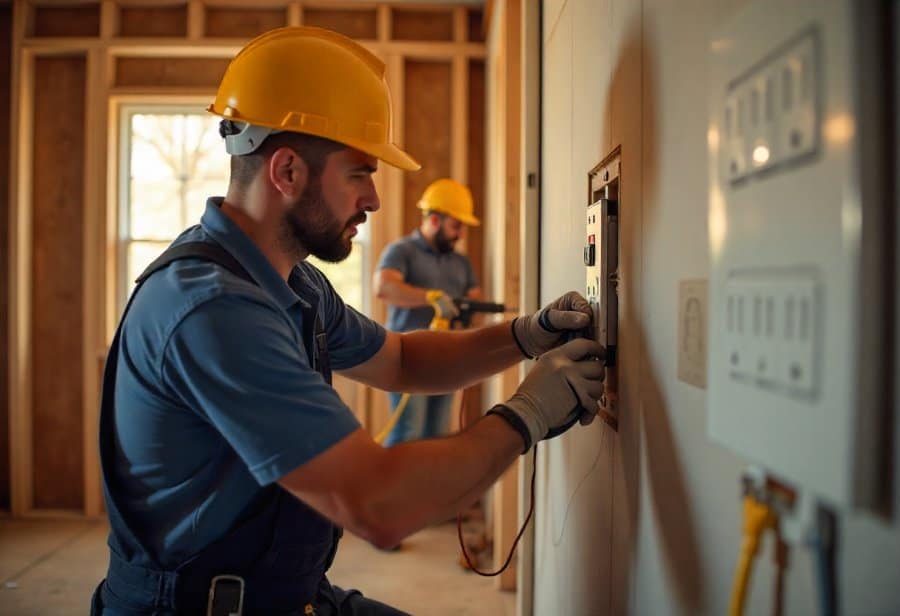
Safety and reliability are the cornerstones of any residential electrical system. When wiring is done correctly, homes can function smoothly, powering everything from lights and appliances to smart devices without a hitch. But beyond keeping things running, proper electrical work is crucial for protecting residents and property from hazards like shocks and fires. Even a small oversight or overlooked detail can turn a safe house into a dangerous one, making careful planning and precise execution essential.
Electricians don’t just run wires—they follow strict safety standards and codes designed to keep everyone safe. These regulations guide every stage of a project, from selecting the right materials to ensuring proper grounding and circuit protection. Following these standards isn’t just about legal compliance; it’s about creating systems built to last and withstand daily use. Attention to detail is vital, because even minor mistakes can have serious consequences.
As homes become smarter and more connected, the complexity of electrical systems grows. Integrating energy-efficient features and advanced technology demands a deeper understanding of wiring techniques and safety protocols. Electricians now need to design reliable systems that can handle these innovations without introducing new risks. This evolution underscores the importance of ongoing training and adherence to best practices to keep safety at the forefront.
Proper wiring also plays a key role in preventing electrical fires, equipment damage, and dangerous shocks. Well-installed systems save homeowners money on repairs and reduce the chances of system failures. Electricians earn trust by consistently following safety standards and delivering work that endures. Every connection, wire, and panel they install becomes part of a larger effort to create safe, dependable living environments.
This balance of skill, knowledge, and meticulousness turns complex wiring into reliable power systems. Electricians who master these elements not only protect homes today but also lay a strong foundation for future upgrades and technological advances. Their work transforms a tangled mess of wires into a safe, efficient system that supports modern life day after day.
Ensuring safety and reliability isn’t just a task—it’s the core of an electrician’s craft. It’s about making sure every wire and connection contributes to a safer home, a more durable system, and peace of mind for homeowners. With every project, electricians reinforce the importance of precision and care, building systems that stand the test of time and technology.
Core Practices That Ensure Safe and Durable Electrical Installations
Core practices for safe electrical installations form the backbone of every reliable home wiring project. Electricians rely on strict adherence to established standards and procedures to ensure safety and durability. These standards, often outlined in national and local electrical codes, serve as essential roadmaps—covering everything from wire types and circuit protection to grounding requirements. Following them isn’t just about compliance; it’s about building systems that stand the test of time and protect residents from hazards.
Before starting any physical work, electricians spend significant time planning. They perform detailed load calculations and develop system designs that balance circuits and prevent overloads, which are common causes of fires and failures. Selecting the right materials and components that meet safety standards is equally critical. This careful planning ensures the installation is robust from the beginning, reducing the likelihood of faults developing later.
During installation, precision is vital. Electricians double-check every connection, ensuring wires are secured properly and terminals are tight but not over-tightened. Using protective devices like circuit breakers and ground-fault interrupters helps prevent faults from escalating into dangerous situations. These safety devices act as a safety net, quickly disconnecting power when necessary to protect people and property.
Regular inspections and testing mark the final phase of a safe installation. Electricians verify that wiring complies with codes and safety standards before energizing the system. They utilize tools such as voltage testers, multimeters, and insulation testers to confirm correct wiring, proper grounding, and the absence of faults. Catching potential issues early through thorough testing is key to preventing shocks, fires, or system failures once the system is live.
Following strict procedures isn’t just about legal compliance; it builds homeowner trust. Organized wiring, proper labeling, and meticulous documentation make future maintenance safer and easier. Clear records of circuit paths and connections help troubleshoot problems efficiently, ensuring the system’s reliability over time. This level of care minimizes risks and supports long-term safety.
Staying compliant with evolving safety standards demands ongoing learning. Electricians keep their knowledge current through continuous training, industry updates, and certifications. Keeping pace with changes in codes and best practices ensures their work aligns with the latest safety expectations, even as new technologies emerge. This commitment to ongoing education helps prevent hazards and guarantees systems remain safe and dependable.
In essence, core practices for safe electrical installation are a blend of careful planning, precise execution, and continuous vigilance. Electricians who follow these principles don’t just install wires—they build resilient, safe systems that power homes reliably for years to come. Their attention to detail transforms complex wiring into a foundation of safety and trust, supporting modern living with confidence.
Experience Expert Residential Electrical Solutions in the Greater Toronto Area
North York Electricians (NYE) offers top-tier Professional electrical installation and comprehensive residential electrical services throughout the Greater Toronto Area. Our skilled team specializes in residential wiring and installation, lighting design and upgrades, as well as electrical repairs and troubleshooting. We excel in installing and configuring smart switches, thermostats, security systems, and home automation to enhance your living space. Additionally, NYE is committed to sustainable electrical solutions, upgrading homes with eco-friendly LED lighting, energy-saving panels, and innovative designs. Trust our experienced residential electricians to ensure your home is safe, efficient, and smart. Call us today at 416-508-0206 or visit https://electriciansnorthyork.com/ for expert lighting and electrical service tailored to your needs.
Pathways to Excellence: Training, Certification, and Lifelong Learning for Electricians
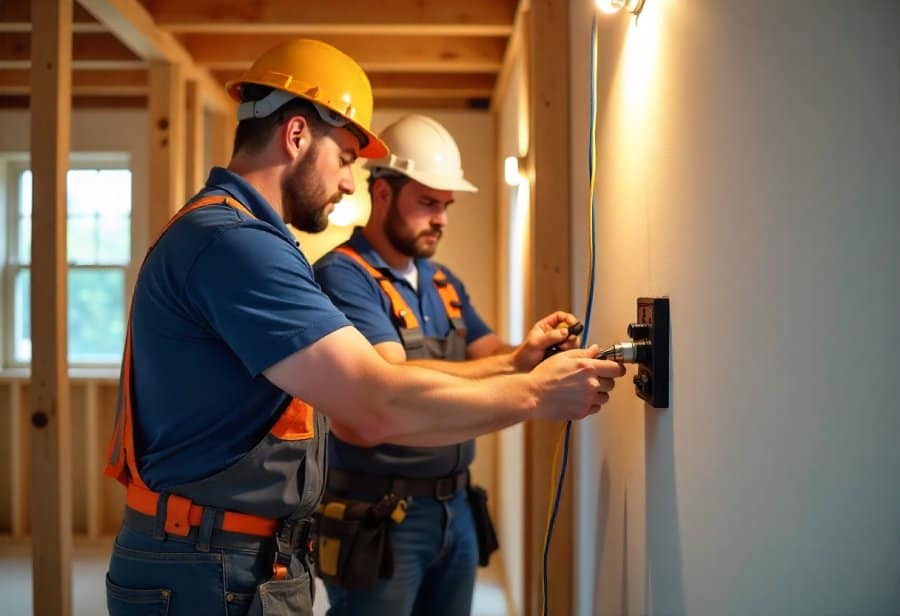
Becoming a professional electrician requires a clear pathway through education, hands-on training, and certification. Most start with technical programs or community college courses that introduce electrical theory, safety protocols, and wiring basics. These foundational classes are essential for building the knowledge needed to work safely and effectively in residential settings. However, classroom learning alone isn’t enough; apprenticeships are a crucial next step, providing real-world experience under the supervision of established electricians. This combination of theory and practice helps develop the skills necessary for reliable and safe electrical work.
Certification is a key milestone that verifies an electrician’s competency. It typically involves passing written exams focused on electrical codes, safety standards, and technical principles. Alongside these tests, aspiring electricians must log supervised work hours, demonstrating their ability to handle complex wiring tasks safely and correctly. Certification requirements vary depending on region, but the goal remains the same: ensuring electricians meet a baseline of skill that protects both themselves and homeowners.
The industry is constantly evolving, making ongoing education essential. New technologies, updated safety standards, and advances in system design mean that electricians need to stay current. Many pursue additional certifications in specialized fields like smart home wiring, renewable energy systems, or energy efficiency. Attending workshops, seminars, and industry courses allows electricians to keep pace with these changes, ensuring their skills remain sharp and their work remains compliant with the latest standards.
Continuing education isn’t just about meeting regulatory requirements; it’s about delivering the safest, most reliable solutions possible. As homes become smarter and more connected, electricians must understand how to integrate new devices and safety features properly. Staying updated through ongoing training reduces hazards, enhances system performance, and builds trust with clients who expect modern, safe electrical systems.
Certification and lifelong learning also contribute to an electrician’s reputation. Professionals who demonstrate a commitment to staying informed and skilled are more likely to earn repeat business and referrals. Their ability to adapt to new challenges and technologies makes them invaluable in a market that’s constantly changing. This dedication to growth ensures they can handle complex projects confidently and uphold high safety standards.
In sum, the journey to becoming a skilled electrician is ongoing. It begins with solid education, continues with rigorous certification, and is sustained through continuous learning. Each step builds on the last, creating a foundation of expertise that supports safe, reliable, and innovative electrical systems. Electricians who embrace this path of lifelong development not only protect homes today but also prepare for the future of residential wiring.
Staying updated on the latest safety practices is crucial for maintaining high standards in residential wiring. For more information on how to ensure compliance and enhance safety, electricians can explore comprehensive training and certification pathways for professional electricians training and certification pathways for professional electricians. Continuous learning not only improves safety but also helps build trust with clients and advance careers in this dynamic industry.
Practical Application: Mastering Techniques for Safe and Efficient Wiring Solutions
Applying knowledge and techniques to real-world wiring scenarios is where craftsmanship truly comes into focus. Electricians begin each project by carefully assessing the space, understanding existing wiring, and identifying obstacles such as limited space or outdated systems. This initial evaluation guides the development of a detailed wiring plan that maps routes for cables, selects appropriate materials, and ensures the system meets all safety and load requirements. Thoughtful planning minimizes surprises and sets the foundation for a safe, efficient installation.
During installation, attention to detail is critical. Electricians secure wires properly to prevent loose connections that can cause faults or fires, and they avoid tight bends or stress points that might damage conductors over time. Using specialized tools like wire strippers, voltage testers, and fish tapes, they verify each connection is solid before proceeding. Double-checking wiring and connections before energizing reduces the risk of faults and hazards, ensuring the system’s reliability from the start.
Organization and labeling play a vital role in practical wiring. Clear labels on wires, outlets, and panels make future troubleshooting faster and safer. An organized wiring setup not only minimizes confusion during initial installation but also simplifies ongoing maintenance and repairs. Proper documentation of circuit paths and connections ensures that future work can be performed efficiently, reducing the likelihood of errors and enhancing safety over the system’s lifespan.
Before energizing the system, electricians conduct thorough testing. They use tools like multimeters and insulation testers to confirm correct wiring, proper grounding, and the absence of faults. Identifying and rectifying issues at this stage prevents shocks, fires, and system failures once the system is live. This careful verification process is essential for safeguarding both the home’s occupants and its electrical infrastructure.
Adapting to unique home environments is another key aspect of applying best practices. Whether faced with tight spaces, complex layouts, or existing damage, electricians employ creative solutions—such as alternative routing or custom fittings—to overcome obstacles without compromising safety. This flexibility ensures each installation is dependable and capable of handling daily demands, no matter the challenges.
Good wiring does not end with installation. Electricians document their work meticulously, noting circuit paths, connections, and safety features. This detailed record-keeping streamlines future troubleshooting and upgrades, maintaining system integrity over time. It also helps ensure ongoing compliance with safety standards and eases the process of diagnosing potential issues later.
Staying current with evolving safety standards and technological advances is vital. Electricians routinely update their skills through training and industry certifications, integrating new diagnostic tools and safety features into their workflow. Using modern testing equipment allows early fault detection, preventing hazards before they develop and keeping systems reliable and safe.
The combination of careful assessment, precise execution, and diligent documentation transforms complex wiring projects into dependable power systems. Electricians who consistently apply best practices turn potential chaos into organized, safe, and efficient systems that support modern living. Their expertise not only ensures safety today but also lays the groundwork for future upgrades, making their work essential to creating homes that are both smart and secure.
Looking Ahead: Embracing Innovation and Overcoming Challenges in Electrical Safety
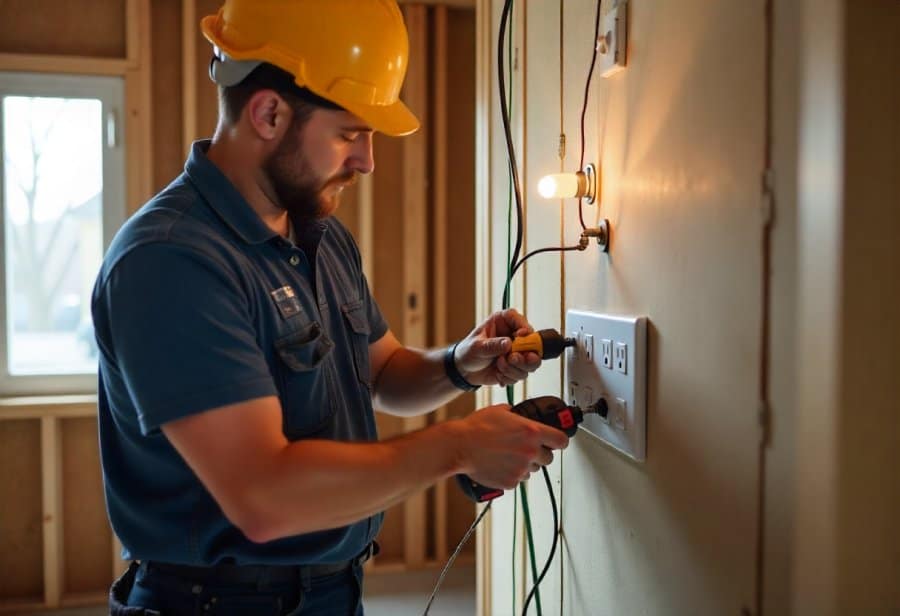
The future of residential electrical safety and reliability is set to be both dynamic and demanding. As homes become increasingly connected through smart technology and Internet of Things (IoT) devices, electricians will need to master new systems that go beyond traditional wiring. Integrating features like real-time fault detection, automatic shutoffs, and remote monitoring will require a deeper understanding of digital systems, sensors, and data security. Staying ahead of these innovations is essential to ensure every installation remains safe, responsive, and long-lasting.
Alongside technological advances, existing homes still often rely on outdated wiring that no longer meets modern safety standards. Upgrading these systems presents unique challenges, demanding tailored solutions that blend old infrastructure with new technologies. The growing adoption of renewable energy sources, such as solar panels and home batteries, introduces additional complexity. Electricians will need specialized training to manage these systems effectively, ensuring seamless integration without compromising safety or performance.
Regulatory standards are evolving just as quickly as technology itself. Updated codes emphasize stricter grounding, enhanced circuit protection, and guidelines for smart device integration. Keeping pace with these changes requires ongoing education and certification, enabling electricians to implement solutions that not only comply but also push safety standards forward. This proactive approach helps prevent hazards and assures homeowners of systems that are both innovative and secure.
Advances in diagnostic tools are transforming troubleshooting and maintenance. Digital circuit analyzers, smart multimeters, and remote monitoring systems allow electricians to detect faults early, often before they manifest as serious problems. These tools empower professionals to diagnose issues with precision, reducing risks of shocks, fires, and system failures. As these technologies become more accessible, they will become standard in electrical work, further elevating safety and reliability.
The rapid development of automation and artificial intelligence promises to reshape safety protocols. Future systems may monitor wiring conditions continuously, perform automatic diagnostics, and even initiate repairs without human intervention. Electricians will need to deepen their understanding of software, sensors, and cybersecurity, embracing lifelong learning to work confidently within these smart environments. Such innovations promise to create homes that are safer, more efficient, and more resilient than ever before.
In embracing these trends, electricians will play a crucial role in shaping a future where safety and innovation go hand in hand. Their expertise will ensure that as homes become smarter, they also become safer sanctuaries. Staying adaptable, informed, and proactive will be key to meeting the challenges ahead—turning emerging technologies into reliable, everyday solutions that support modern living for years to come.