Cleopatra VII is often remembered for her beauty and romantic intrigues, but her true legacy lies in her sharp intellect and political mastery. As Egypt’s last pharaoh, she navigated a turbulent world of internal rivalries and external threats, mastering diplomacy, scholarship, and cultural diplomacy to secure her throne. Fluent in multiple languages and supported by the legendary Library of Alexandria, she believed knowledge and influence stemmed from education and strategic thinking rather than mere charm. Her alliances with Julius Caesar and Mark Antony were carefully crafted, rooted in mutual benefit and political finesse, not just romance. Cleopatra’s ability to blend Greek traditions with Egyptian customs, leveraging religious symbolism and cultural legitimacy, made her a formidable leader. Today, her story reminds us that true power resides in the mind—her resilience and mastery of influence continue to inspire leaders seeking lasting impact amid complex global landscapes. Could her real legacy be her extraordinary intellect?
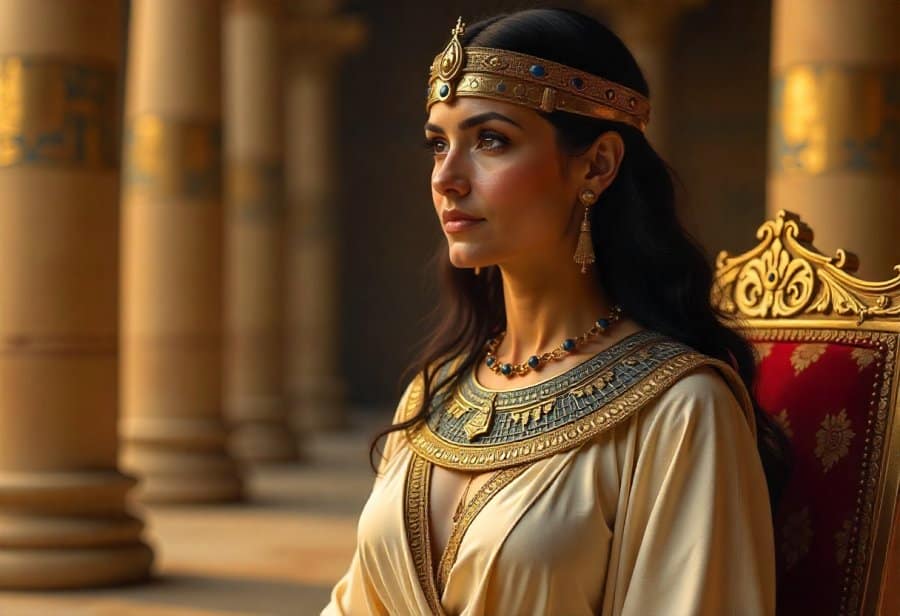
Unlocking Cleopatra’s True Power: The Genius Behind the Queen
Cleopatra VII is often remembered for her beauty and dramatic romances, but her true strength lay in her sharp intellect and mastery of politics. As the last active ruler of Egypt’s Ptolemaic dynasty, she was a highly educated monarch who understood that influence comes not just from appearance or charm, but from strategic thinking, cultural finesse, and political insight. Her ability to navigate a turbulent era filled with internal rivalries and external threats—particularly from Rome—showcased her exceptional leadership skills.
Her legacy has long been overshadowed by the image of a glamorous seductress, yet history reveals a far more complex figure. Cleopatra’s command over multiple languages, her support for the Library of Alexandria, and her engagement with philosophy and sciences highlight her dedication to knowledge. She believed that education and cultural understanding were vital tools of leadership, allowing her to connect with a diverse range of audiences—from Greek scholars to Egyptian priests.
This foundation of mental prowess enabled Cleopatra to maintain her throne and Egypt’s independence for as long as possible in a world dominated by powerful empires. Her diplomatic strategies often involved subtle manipulation, alliances, and marriages, all driven by a keen understanding of power dynamics. Cleopatra knew that influence was rooted in her ability to think several steps ahead, using her intelligence as her most formidable weapon.
Understanding Cleopatra’s leadership means recognizing her mastery of ancient political strategy. She balanced internal Egyptian traditions with Hellenistic customs inherited from her Macedonian ancestors, often adapting her tactics to shifting circumstances. Her alliances with Julius Caesar and Mark Antony were carefully crafted, rooted in mutual benefit rather than mere romantic entanglements. These relationships exemplify her skill in leveraging cultural diplomacy and strategic marriages to safeguard her sovereignty.
Her story is not just about palace intrigue or romantic alliances but about a leader who used her intellect to shape history. Her multilingual fluency and her support for scholarship elevated Egypt’s cultural standing, while her understanding of religion and tradition reinforced her divine authority. Cleopatra’s leadership was a seamless blend of spiritual influence, cultural mastery, and political strategy—proof that her power was as much mental as it was royal.
Foundations of a Legend: How Culture and Politics Shaped Cleopatra’s Rise
Cleopatra’s rise to power was shaped by a rich tapestry of cultural blending and shifting regional forces. Born into the Macedonian Greek Ptolemaic dynasty, she inherited a legacy rooted in Greek traditions introduced to Egypt after Alexander the Great’s conquest. This created a unique environment where Greek and Egyptian identities intertwined, forcing rulers to navigate the delicate balance between these worlds. The Ptolemies maintained Greek political structures while adopting Egyptian religious practices, forging a dual identity that defined their rule.
Following Alexander’s empire fragmentation, Ptolemy, one of his generals, established control over Egypt and founded a dynasty that blended Hellenistic customs with native traditions. This duality often placed the ruling class between two cultural loyalties, demanding a nuanced approach to governance. Cleopatra, as a member of this lineage, grew up fluent in Greek and Egyptian, with a broad education in rhetoric, philosophy, and sciences, equipping her to negotiate across diverse cultural spheres.
Egypt’s strategic position in the Mediterranean made it a prize for regional powers, especially as Rome’s influence expanded. Internal factions and external enemies constantly threatened Cleopatra’s throne. Her diplomatic acumen was crucial; she forged alliances through marriages and negotiations that prioritized political stability over personal gain. Her relationships with Julius Caesar and Mark Antony were carefully cultivated, rooted in mutual benefit and statecraft, not mere romance.
Her early education was profoundly influenced by Alexandria’s legendary Library of Alexandria, a hub of knowledge and scholarly pursuit. Surrounded by scientists, philosophers, and writers, Cleopatra saw learning as a vital tool of leadership. Her engagement with scholarship not only fueled her curiosity but also provided her with strategic advantages—understanding different perspectives, customs, and ideas—crucial in navigating the turbulent political landscape.
Cleopatra’s ability to leverage her heritage and her mastery of diplomacy allowed her to adapt swiftly to changing circumstances. She portrayed herself as the legitimate successor to Alexander the Great’s legacy, blending Greek and Egyptian traditions to reinforce her authority. Her skillful alliances with Rome’s powerful leaders strengthened her position and helped preserve Egypt’s independence amid external threats.
Her leadership was rooted in a deep understanding that influence depended on cultural legitimacy and political finesse. By emphasizing her divine status as a pharaoh, Cleopatra merged religious symbolism with her political strategy, reinforcing her authority in the eyes of her people. Her mastery of language, religion, and tradition created a leadership style that was both adaptable and resilient.
Through these elements—her cultural heritage, diplomatic skill, and intellectual foundation—Cleopatra crafted a leadership approach that was innovative for its time. Her ability to embody her dual identity, support scholarship, and employ strategic diplomacy made her a ruler who understood that true power stemmed from knowledge and adaptability, not just brute force.
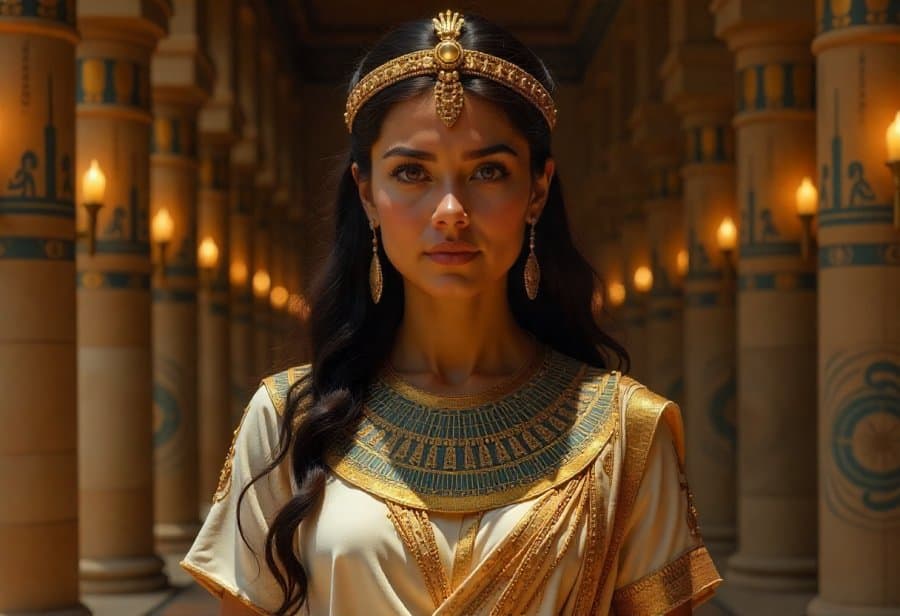
The Art of Influence: Cleopatra’s Mastery in Diplomacy, Knowledge, and Strategy
Cleopatra’s leadership was defined by her exceptional skills in diplomacy, scholarship, and strategic thinking, which together created a formidable legacy. Fluent in multiple languages, including Greek and Egyptian, she could communicate directly with diverse audiences, turning potential rivals into allies through nuanced negotiations. Her linguistic versatility was more than just a skill; it was a strategic tool that fostered trust and opened diplomatic doors that might otherwise remain closed.
Beyond her language abilities, Cleopatra’s engagement with philosophy, sciences, and the arts elevated her status as a ruler committed to knowledge. Supporting the renowned Library of Alexandria and surrounding herself with scholars, she cultivated an environment of learning that informed her decisions. This scholarly environment was not merely personal enrichment; it served as a vital asset in navigating complex diplomatic and political challenges.
Her political strategy combined careful alliance-building with a keen sense of timing and subtlety. Cleopatra understood that influence often came through persuasion rather than force, exemplified by her relationships with Julius Caesar and Mark Antony. These alliances, rooted in mutual benefit and shared interests, were crafted with precision—designed to strengthen her grip on power and protect Egypt’s independence amid regional chaos. She skillfully balanced her Egyptian traditions with the ambitions of Hellenistic and Roman powers, often employing religious symbolism and cultural diplomacy to legitimize her authority.
Her Macedonian heritage played a crucial role in shaping her strategic outlook. Cleopatra leveraged her connection to Alexander the Great’s legacy to reinforce her legitimacy among Greek elites, blending her Greek roots with Egyptian traditions. This dual identity allowed her to project strength across cultural boundaries, making her a unifying figure in a fractured landscape. Her mastery of symbolism, language, and tradition was not accidental but deliberate, reinforcing her influence at every turn.
Throughout her reign, Cleopatra’s ability to adapt and think several steps ahead was key to her survival. She understood that true influence required more than military might; it depended on cultural legitimacy, intellectual prowess, and political finesse. Her leadership exemplifies how knowledge, strategic diplomacy, and resilience can forge a legacy that endures beyond the chaos of empire-building.
Cleopatra’s example continues to inspire leaders today, reminding us that intellectual strength and cultural mastery are powerful tools in the art of leadership. Her strategic use of language, scholarship, and symbolism demonstrates that influence rooted in wisdom and adaptability remains timeless—an enduring lesson for anyone seeking to lead with insight and resilience.
Leadership Lessons from Cleopatra: Applying Ancient Wisdom to Modern Strategy
Cleopatra’s legacy as a master strategist offers valuable lessons for today’s leaders and thinkers. Her ability to navigate shifting political landscapes, forge influential alliances, and employ cultural diplomacy demonstrates that strategic insight often outweighs brute force. In a world increasingly connected and complex, her example reminds us that education, multilingualism, and cultural understanding are powerful tools for influence and resilience.
Leaders who invest in understanding different perspectives and traditions can build trust and open doors that might otherwise remain closed. Genuine relationships rooted in authentic engagement, much like Cleopatra’s alliances, create lasting influence. She showed that influence is built on mutual respect and shared values, not just authority or superficial charm.
Timing and discretion played crucial roles in Cleopatra’s success. Her skill in reading political shifts and adjusting her tactics underscores the importance of patience and strategic restraint. Acting too hastily or forcefully can backfire, but employing subtle influence and diplomacy often leads to more sustainable outcomes. This approach encourages a focus on long-term stability over short-term gains, fostering resilience amid uncertainty.
Cultural symbolism and religious authority were central to Cleopatra’s leadership. She understood how narratives and shared values shape perception, using symbols and tradition to legitimize her rule. Today’s leaders can learn from this by crafting compelling stories and aligning their actions with core values. Influence depends not only on what is done but also on how it’s perceived—an art Cleopatra mastered through her mastery of symbolism and tradition.
Supporting scholarship and science was another pillar of her leadership. Her patronage of the Library of Alexandria and engagement with intellectual pursuits emphasized that knowledge is a strategic asset. Cultivating a curious, educated mindset within organizations fosters adaptability and problem-solving. Leaders who prioritize ongoing learning are better equipped to respond effectively to unforeseen challenges, much like Cleopatra did in her turbulent era.
Her story reminds us that true power resides in the strength of the mind. Cleopatra’s intelligence, strategic thinking, and cultural finesse created a leadership style that remains relevant today. By cultivating resilience, knowledge, and emotional intelligence, modern leaders can develop a lasting influence that withstands the tests of time. Her example continues to inspire those who understand that mastery of the mind is the most enduring form of leadership.
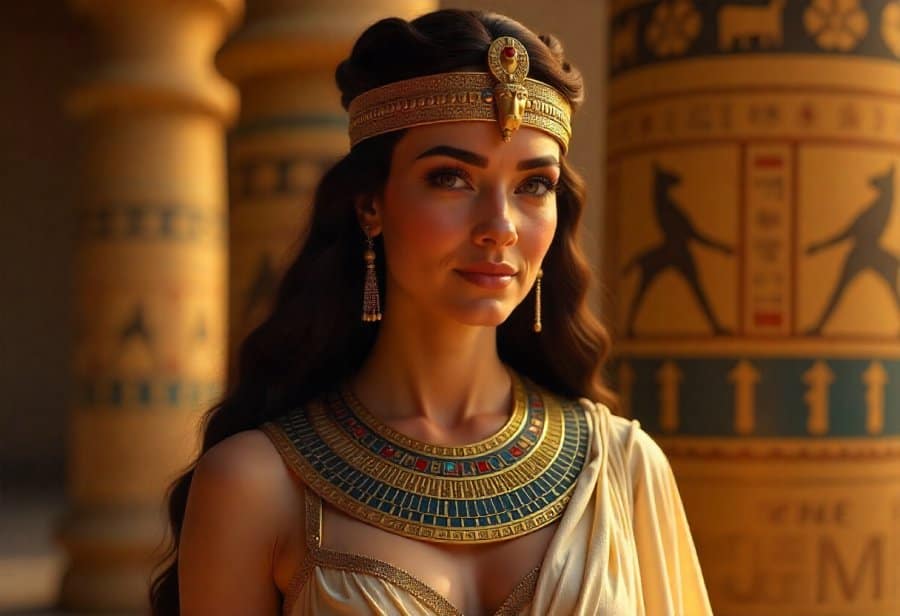
Enduring Legacy: How Cleopatra’s Strategic Mind Continues to Inspire Future Leaders
Cleopatra’s legacy as a master strategist continues to resonate across history, offering timeless lessons for leaders and thinkers alike. Her ability to adapt swiftly to shifting political tides, forge influential alliances, and employ cultural diplomacy demonstrates that strategic insight and intellectual agility often surpass sheer force. In today’s interconnected world, her example reminds us that education, multilingualism, and cultural understanding are powerful tools for influence and resilience, invaluable assets in navigating complex environments.
Her command of language and her deep appreciation for diverse traditions enabled her to communicate effectively across cultural boundaries. Leaders who invest in understanding different perspectives and customs can foster trust and open doors that might otherwise remain closed. Genuine relationships built on authentic engagement—much like Cleopatra’s careful alliance-building—create enduring influence rooted in mutual respect rather than superficial authority.
Timing and strategic restraint played crucial roles in her success. Cleopatra’s skill in reading political shifts and adjusting her tactics underscores the importance of patience and discretion. Acting hastily or forcefully often leads to setbacks, but employing subtle influence and diplomatic finesse can secure long-term stability. This mindset promotes a focus on resilience, emphasizing sustainable outcomes over quick wins in unpredictable environments.
Cultural symbols and religious authority formed the backbone of her leadership approach. Cleopatra understood how narratives and shared values shape perception, using symbols, tradition, and myth to legitimize her rule. Modern leaders can draw from this by crafting compelling stories and aligning actions with core values, reinforcing loyalty and trust that endure beyond immediate crises. Influence is as much about perception as it is about action.
Her patronage of scholarship and support for science underscored the importance of continuous learning and innovation. Cleopatra recognized that knowledge is a strategic asset, empowering her to make informed decisions and adapt to new challenges. Cultivating a curious, educated mindset within organizations fosters agility and problem-solving—traits essential for navigating today’s fast-changing landscape.
Resilience stands out as a defining trait of her leadership. Cleopatra’s ability to leverage her heritage, balance internal and external pressures, and remain adaptable under pressure highlights the enduring power of mental flexibility. Embracing change, valuing diversity, and remaining open to new ideas are qualities that help leaders and organizations thrive amid uncertainty.
Her story reminds us that true influence is rooted in the strength of the mind. Cleopatra’s intelligence, strategic vision, and cultural finesse created a leadership style that remains relevant today. By cultivating resilience, knowledge, and emotional intelligence, modern leaders can develop a lasting impact—one that endures beyond fleeting circumstances and superficial charm.
In exploring Cleopatra’s life, we find a blueprint for enduring leadership—one built on wisdom, adaptability, and cultural mastery. Her example encourages ongoing curiosity about how influence is wielded and sustained through intellect and integrity. Embracing these lessons can inspire a new generation of leaders committed to shaping a resilient and enlightened future.