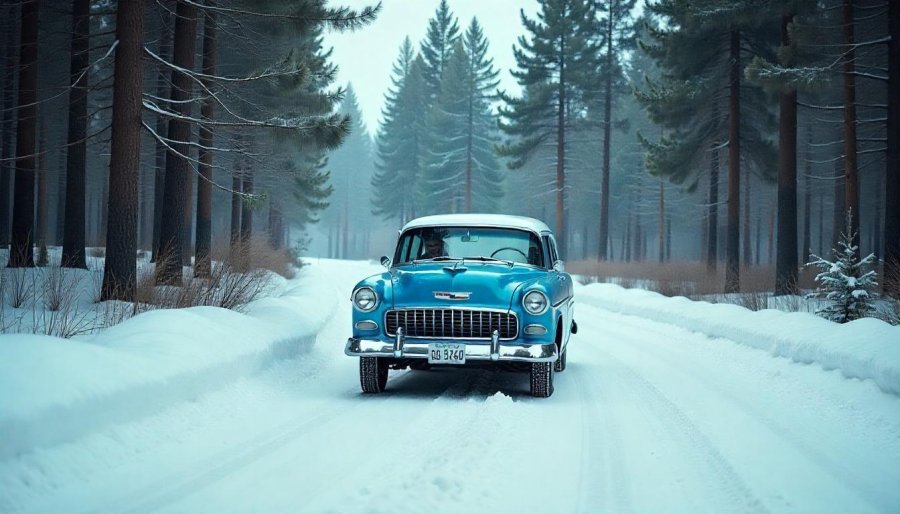
Step into the roaring world of 1970s American muscle cars with the Chevrolet SS, a symbol of raw power, bold design, and rebellious spirit. These vehicles, like the Chevelle SS 454 and Camaro SS, weren’t just modes of transportation—they embodied a culture of speed, freedom, and daring innovation. Their muscular lines, aggressive styling, and thunderous engines captured a golden era where horsepower reigned supreme. Today, the legacy endures through dedicated restorations, shows, and modern recreations that honor their iconic stature. But what makes these cars timeless isn’t just their performance; it’s their ability to inspire ongoing fascination and cultural pride. As future generations discover their story, a question remains: how will the spirit of these legendary machines evolve in a world shifting toward modern performance and sustainability? One thing is certain—these classics continue to ignite passion and define American automotive daring.
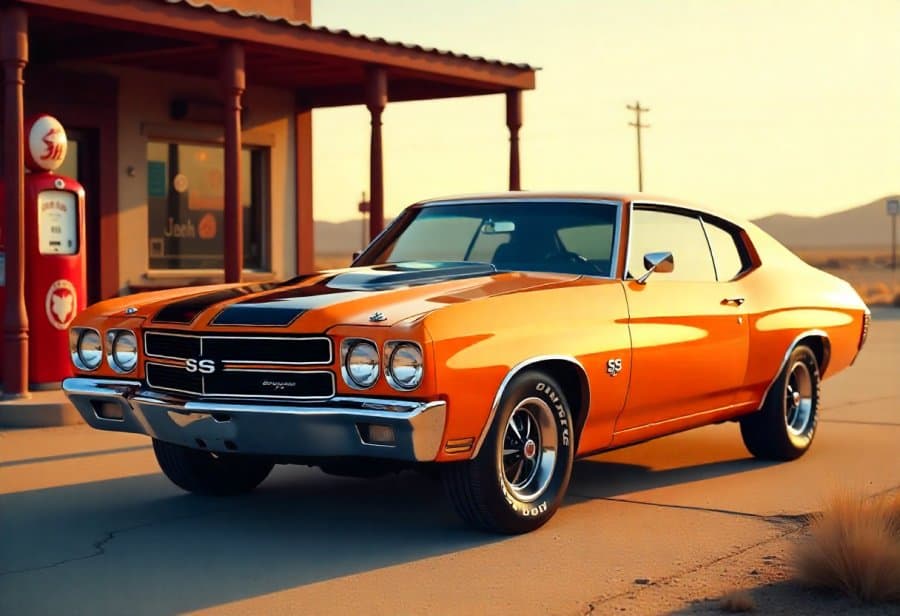
The 1970s Chevrolet SS: An Icon of American Muscle Power
The 1970s Chevrolet SS stands as a true icon of American muscle car greatness, capturing a moment when raw power and bold design took center stage. During this decade, muscle cars like the Chevelle SS and Camaro SS weren’t just modes of transportation—they became symbols of freedom, rebellion, and American engineering pride. Their aggressive styling combined with thunderous engines reflected a culture obsessed with speed and performance, turning these vehicles into rolling statements capable of turning heads and stirring adrenaline wherever they roared.
These models are remembered for their commanding presence on the road. The Chevelle SS, especially with its massive 454-cubic-inch V8, delivered jaw-dropping horsepower and torque, making it a true beast both on the street and at the strip. The Camaro SS, with its sleeker profile, still packed significant punch through high-output engines and sporty aesthetics. Every curve, stripe, and chrome detail was designed not just for looks but for functionality—emphasizing performance and attitude at every turn.
The 1970s was also a time of innovation in muscle car engineering. Manufacturers pushed engine displacement and performance technology to their limits, creating vehicles that seemed to defy expectations. Features like cowl-induction hoods and heavy-duty suspensions became standard, ensuring these cars delivered power along with stability at high speeds. Their bold styling cues—wide stance, aggressive grilles, muscular lines—weren’t accidental; they embodied an era defined by daring, relentless energy, and a desire to stand out.
Beyond their engineering, these cars also became cultural symbols. They represented a rebellious attitude and a love for freedom that defined the decade. The roar of a big-block V8 became a rallying cry for enthusiasts and a badge of individualism on the open road. More than just vehicles, they became part of the social fabric, embodying American ingenuity, resilience, and the pursuit of excitement.
Today, their legacy continues to inspire car lovers and collectors worldwide. Restorations and shows keep the spirit of these muscle cars alive, showcasing their thunderous engines and iconic designs. Their appeal hasn’t faded with time; instead, it has grown stronger, with each new generation discovering the thrill of their power and style. These cars remain a testament to an era when horsepower was king and style was just as important as speed.
The story of the Chevrolet SS in the 1970s is about more than horsepower; it’s a snapshot of a time when American cars captured the imagination of a generation. They symbolize a golden age of automotive innovation, where performance and style went hand in hand. Their enduring influence reminds us that muscle cars once reigned supreme, forever etched into the fabric of American automotive culture.
From Concept to Legend: The Birth and Evolution of the 1970s Chevrolet SS
During the golden age of muscle cars in the 1970s, Chevrolet was at the forefront of performance innovation, shaping the landscape with its legendary SS models. The drive to create high-performance, street-ready cars grew out of a desire to showcase American horsepower at its finest. Enthusiasts and engineers aimed to develop vehicles that combined raw power with eye-catching, aggressive styling, designed to turn heads and deliver exhilarating driving experiences. This vision resulted in iconic models like the Chevelle SS 454 and Camaro SS, which quickly became symbols of speed and rebellion.
The development of these cars focused heavily on maximizing engine output while maintaining practicality for daily use. Chevrolet equipped them with large-displacement V8 engines, most notably the 454-cubic-inch powerhouse that produced over 450 horsepower. These engines weren’t just impressive on paper—they embodied a culture obsessed with pushing automotive limits and embracing performance. Alongside the engines, engineers added performance suspensions and handling upgrades to ensure these cars could handle their immense power both on the street and at the track.
Design-wise, Chevrolet aimed for muscular, bold aesthetics that emphasized their performance capabilities. Features like cowl-induction hoods signaled hidden power beneath, while striking stripes and rally wheels created visual statements of speed and attitude. Every detail, from wide tires to heavy-duty suspensions, was carefully selected to improve grip and handling at high speeds. These elements served dual purposes: enhancing the driving experience and reinforcing the cars’ reputation as true American horsepower legends.
The muscle car craze was driven not only by engineering innovation but also by cultural shifts that celebrated rebellion and individualism. Chevrolet’s SS models embodied this spirit, pushing the boundaries of what American muscle cars could be. Their popularity soared in the early to mid-1970s, fueled by a mix of performance, style, and the desire for freedom on the open road. As emissions regulations and safety standards tightened later in the decade, these cars became treasured among enthusiasts and collectors, symbolizing a fleeting yet unforgettable era of automotive daring.
Throughout their development, these vehicles reflected a relentless pursuit of power and style that defined the muscle car era. They represented a perfect blend of engineering prowess and rebellious attitude, capturing the imagination of a generation hungry for excitement. The iconic status of the Chevelle SS 454 and Camaro SS was cemented by their ability to deliver both jaw-dropping performance and striking visual impact, making them enduring symbols of American automotive ingenuity.
Today, the legacy of these models continues to inspire restorers and collectors worldwide. Their design cues—wide, muscular profiles and aggressive styling—have become benchmarks for modern performance cars. By preserving and celebrating these classics, enthusiasts honor the bold spirit of the 1970s muscle car era, ensuring that their story and significance endure well beyond their original production run. The development of the Chevrolet SS during this period remains a testament to America’s passion for performance and innovation.
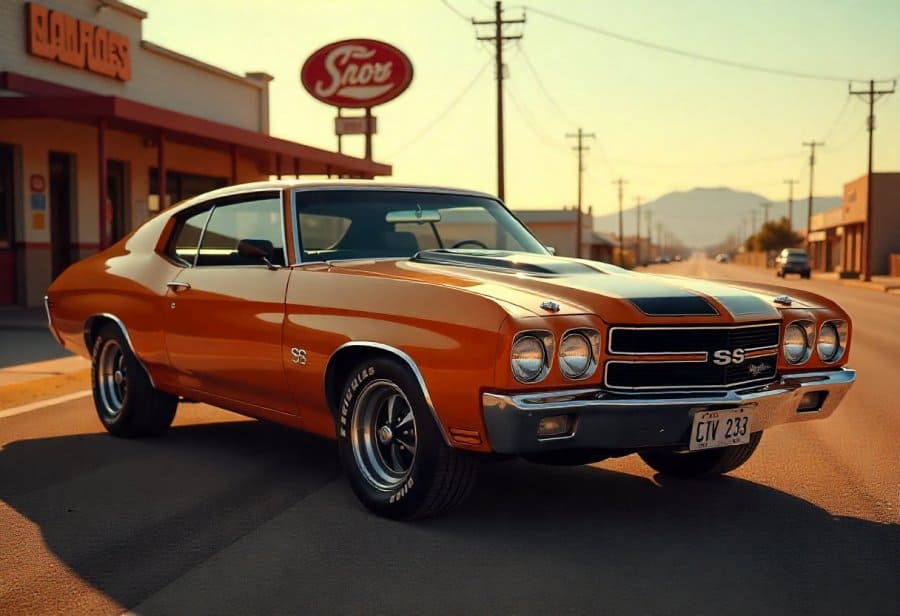
The Enduring Legacy and Modern Relevance of the 1970s Chevrolet Muscle Cars
The legacy of the 1970s Chevrolet SS continues to resonate strongly within today’s automotive culture, serving as a powerful symbol of American horsepower and bold styling. These vintage muscle cars, like the Chevelle SS 454 and Camaro SS, are celebrated not only for their performance but also for their iconic looks. Car enthusiasts and collectors worldwide actively preserve and restore these vehicles, ensuring their spirit remains alive through shows, museums, and online communities. Their thunderous engines and aggressive designs still turn heads, proving that their appeal has not faded with time.
Even as modern vehicles emphasize efficiency and advanced technology, the influence of 1970s muscle cars endures. Manufacturers often draw inspiration from their muscular lines, wide stances, and performance-focused details, incorporating these elements into contemporary models. Limited-edition releases and retro-styled concepts pay homage to the golden age of horsepower, blending vintage aesthetics with modern innovation. This ongoing dialogue between past and present keeps the legacy fresh and relevant for new generations of enthusiasts.
Restoring a vintage muscle car like the Chevrolet SS isn’t just a hobby; it’s a way of preserving a piece of American automotive history. Enthusiasts dedicate time and resources to sourcing authentic parts and meticulously restoring every detail—from the engine bay to the paintwork—so that these cars retain their original character. These restorations often become community efforts, with clubs and online forums sharing tips, parts, and stories that connect collectors across decades. Their passion ensures that the history and rebellious spirit of these cars continue to inspire.
The cultural impact of these vehicles extends beyond their aesthetics. They embody values of freedom, rebellion, and individuality that remain relevant today. The thunder of a big-block V8 still evokes nostalgia and admiration, even among those who weren’t alive during the muscle car heyday. This emotional connection sustains their allure, making them symbols of a daring attitude that resonates with both older and newer fans alike.
Despite increasing emissions standards and safety regulations, the fascination with 1970s Chevrolet muscle cars remains strong. Car shows, museums, and private collections serve as vital repositories, showcasing these icons to new audiences and inspiring ongoing passion. The dedication of the community to preservation and restoration ensures that their stories are passed down, keeping the spirit of the muscle car era alive and thriving.
Design cues from these classics—wide, muscular profiles and aggressive styling—have become staples in contemporary performance vehicles. Automakers incorporate these elements into new models, creating a visual language that honors the past while pushing forward into the future. This seamless blend of vintage inspiration and modern technology helps maintain the legacy’s relevance and appeal.
Looking ahead, the future of muscle car nostalgia remains promising. Electric muscle cars and digital customization platforms are opening innovative ways for enthusiasts to connect with this history. These advancements allow a fusion of classic style with modern performance, making the essence of the 1970s Chevrolet SS accessible to a new generation. The core values of power, rebellion, and individuality continue to drive the legacy forward, ensuring these icons will inspire passion for years to come.
Muscle Car Influence: Shaping Today’s Automotive Culture and Design
The influence of the muscle car era, especially models like the 1970s Chevrolet SS, extends far beyond their original production years, shaping modern automotive culture and design in subtle yet powerful ways. Today’s manufacturers often draw inspiration from the bold lines, aggressive stances, and performance-oriented details that defined these classics. Limited-edition models and retro-inspired concepts pay homage to the golden age of horsepower, blending vintage aesthetics with cutting-edge technology to appeal to a new wave of enthusiasts.
This enduring legacy is also evident in the passionate community of restorers, collectors, and fans who celebrate these cars through shows, online forums, and museums. Their dedication to preserving the raw power and distinctive style of vintage muscle cars keeps the spirit alive. Sharing restoration tips, sourcing authentic parts, and swapping stories create a strong sense of connection across generations, ensuring that these icons remain relevant and admired.
Beyond their aesthetic appeal, these cars symbolize values that continue to resonate—freedom, rebellion, and individuality. The thunderous growl of a big-block V8 isn’t just nostalgic; it’s a call to embrace daring self-expression. This emotional connection fuels a continued fascination, inspiring both those who experienced the muscle car era firsthand and newcomers discovering that sense of risk and excitement for the first time. Their presence on the road still commands attention and admiration.
Restoration and preservation efforts serve as acts of cultural stewardship, transforming vintage vehicles into moving pieces of history. Enthusiasts invest time and resources into meticulous restorations that honor original designs and engineering. This hands-on dedication fosters a shared passion, strengthening the bond between communities and ensuring that the stories of these vehicles endure. Their legacy is kept vibrant through these collective efforts.
Design cues from the muscle car era—wide, muscular profiles, bold grilles, and aggressive stance—have become staples in contemporary performance vehicles. Automakers incorporate these elements into new models, creating a visual language that honors the past while embracing modern innovation. This seamless blend of vintage inspiration and cutting-edge technology keeps the spirit of the 1970s alive, appealing to both nostalgic collectors and new enthusiasts alike.
Looking ahead, the future of muscle car nostalgia remains bright. Electric muscle cars and digital customization platforms are opening exciting new avenues for engagement. These innovations allow enthusiasts to fuse classic style with modern performance, ensuring that the core values of power, rebellion, and individuality continue to inspire. The legacy of these iconic cars will persist, fueling passion and creativity in the automotive world for generations to come.
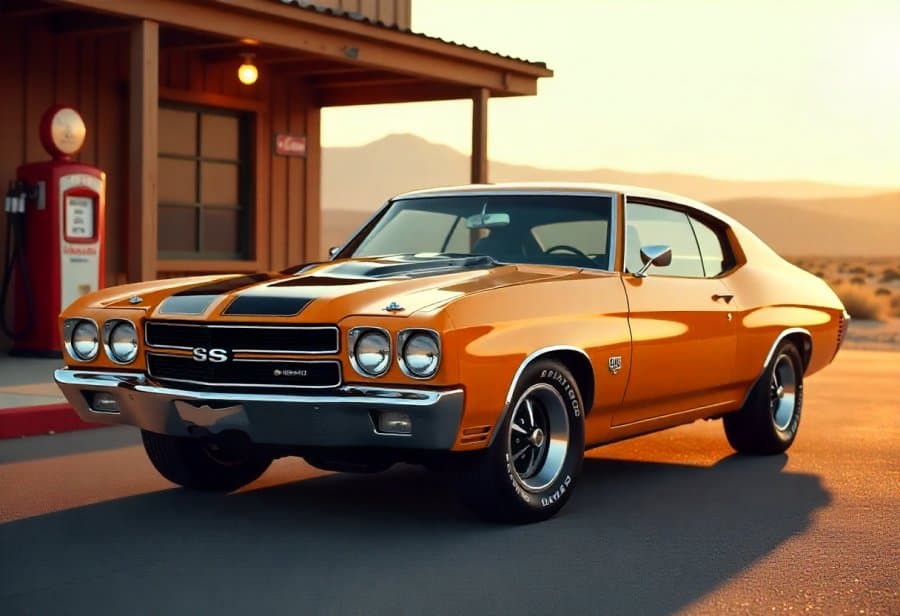
Legacy and Future: The Continuing Impact of the 1970s Chevrolet SS
The legacy of the 1970s Chevrolet SS and the muscle car era continues to resonate deeply within automotive culture, proving that these vehicles are more than just nostalgic icons—they embody a spirit of American innovation and rebellion that hasn’t faded over time. Modern manufacturers draw inspiration from their bold lines, aggressive stances, and high-performance DNA, often paying homage through limited-edition releases and retro-styled models that blend vintage aesthetics with cutting-edge technology. This ongoing dialogue between past and present keeps the legacy alive and relevant, introducing these iconic designs to new generations of enthusiasts.
Restoring and preserving vintage muscle cars like the Chevrolet SS isn’t merely a hobby; it’s a form of cultural stewardship. Enthusiasts invest significant time and resources into sourcing authentic parts and meticulously restoring every detail—from the engine bay to the paint—so these cars can continue to tell their stories. These efforts foster vibrant communities where sharing tips, swapping parts, and exchanging stories strengthen the bond between generations. Through this collective passion, the historical significance and rebellious spirit of these cars remain vibrant, ensuring their stories aren’t lost to time.
The influence of the muscle car era extends beyond aesthetics. It symbolizes core values of freedom, individuality, and daring self-expression that remain relevant today. The thunderous growl of a big-block V8 isn’t just nostalgic; it’s a reminder of a time when cars were built to make a statement, and that spirit of defiance still inspires both seasoned collectors and newcomers alike. This emotional connection sustains their allure, allowing these vehicles to transcend their age and continue to evoke excitement and admiration.
Despite increasing emissions standards and safety regulations, the fascination with 1970s Chevrolet muscle cars remains strong. Car shows, museums, and private collections serve as vital repositories of this history, showcasing these icons to inspire future enthusiasts. Dedicated communities dedicated to preservation and restoration ensure that the legacy endures, passing stories and craftsmanship to new audiences. Their efforts keep the spirit of the muscle car era alive, fueling ongoing passion and innovation.
Design cues from these classics—muscular profiles, bold grilles, and wide stances—have become staples in contemporary performance vehicles. Automakers seamlessly incorporate these elements, creating a visual language that honors the past while embracing modern performance and safety. This blending of vintage inspiration with innovation maintains the relevance of the muscle car legacy, allowing enthusiasts to experience a sense of freedom, power, and individuality that defined the golden age.
Looking ahead, the future of muscle car nostalgia appears remarkably promising. Electric muscle cars and digital customization tools are opening exciting new avenues for engagement, allowing a fusion of classic style with modern performance and sustainability. These innovations ensure that the core values—power, rebellion, and individuality—continue to inspire, even as the industry shifts toward greener technologies. The spirit of American muscle remains resilient, constantly evolving yet true to its roots.
The story of the 1970s Chevrolet SS reminds us that true automotive greatness goes beyond horsepower and design. It’s about capturing a daring attitude that champions freedom and self-expression, qualities that remain timeless. As new technologies emerge, they will serve to amplify this legacy, making it accessible and relevant for generations to come. The enduring appeal of these cars proves that the rebellious, energetic spirit of muscle cars is rooted deep within American automotive identity and will continue to inspire passion long into the future.