In an era dominated by digital distractions, could the simple act of tending a garden unlock deeper bonds and foster healing? ‘Plant Seeds of Trust’ explores how collaborative gardening transforms outdoor labor into a powerful tool for connection, patience, and emotional resilience. Rooted in a rich history—from sacred spaces of ancient civilizations to modern therapeutic initiatives—gardening emerges as a timeless act of care that nourishes both body and mind. Today’s community gardens, urban farms, and therapeutic programs demonstrate that shared efforts in soil and seedling cultivation can reduce stress, build trust, and strengthen relationships, even amid societal challenges. But as urbanization accelerates and disparities persist, the question remains: how can we make the benefits of outdoor nurturing accessible and sustainable for all? This exploration invites us to reconsider how tending to life—plants and people—can serve as a bridge across digital divides, cultivating hope, healing, and connection for generations to come.
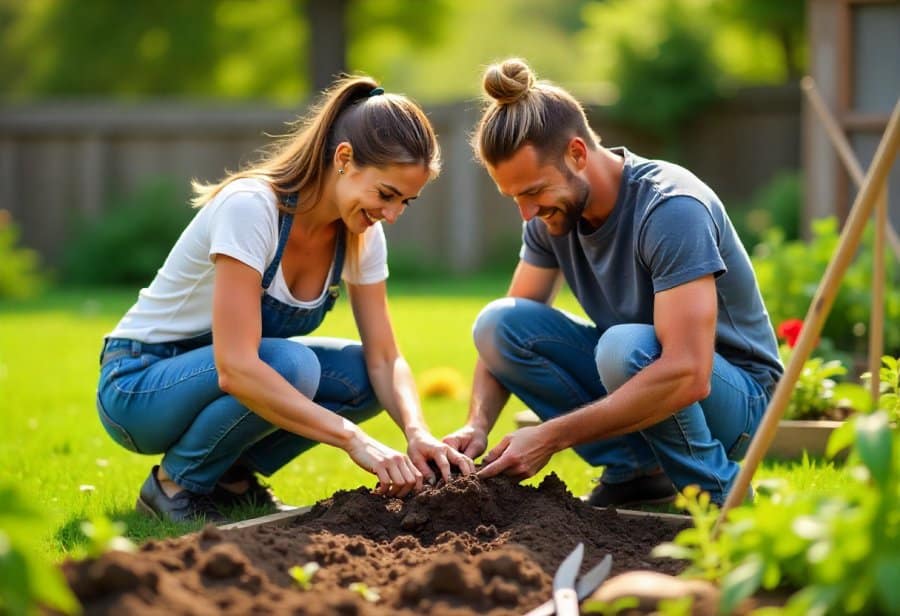
Reconnect and Heal Through Gardening in a Digital World
In a world where screens often dominate our daily routines, it’s easy to forget how powerful simple, hands-on activities can be for reconnecting with others. Gardening offers a quiet, yet deeply meaningful way to step away from digital distractions and engage with something tangible and nurturing. When we get our hands in the soil, we tap into a timeless activity that encourages patience, mindfulness, and a sense of accomplishment. Whether tending a small backyard patch or collaborating on a community garden, these outdoor moments create space for genuine connection and shared purpose.
Working together in a garden naturally fosters bonds because it requires cooperation, communication, and mutual effort. As people plant, water, and harvest side by side, conversations often flow more freely and honestly. These shared tasks build trust, pride, and understanding—elements that digital interactions rarely provide. Caring for plants becomes a vulnerable act of support, deepening relationships over time and reminding us that growth isn’t just about the plants, but also about the connections we nurture through teamwork.
In today’s digital age, many of us experience a sense of disconnection from the physical world, leading to loneliness and emotional fatigue. Social media and constant notifications can drain our mental energy, making authentic, face-to-face interactions feel more precious. Engaging in outdoor activities like gardening helps counteract this trend by encouraging mindfulness and presence. Stepping outside, getting your hands dirty, and tending to living things allows us to reset our mental state, reduce stress, and create meaningful opportunities to connect with others.
Throughout history, gardens have served as more than just sources of beauty or food—they’ve been spaces of healing and social bonding. Ancient civilizations like Egypt, Greece, and Rome recognized that tending to plants could bring mental clarity and emotional comfort. Monasteries cultivated medicinal gardens that became sanctuaries for recovery, highlighting the universal role of gardens in supporting well-being. Today, scientific research confirms that working with soil and greenery triggers calming responses in the brain, making gardening a valuable therapeutic practice that nurtures both body and mind.
As society evolves, so do our ways of using gardens to foster emotional resilience and community. Urban gardens, therapeutic horticulture, and backyard projects are making it easier for more people to experience the mental and relational benefits of outdoor care. These activities promote patience, empathy, and trust—qualities that strengthen bonds and foster a sense of belonging. In a digital world, tending to soil remains a timeless act of care that can heal, connect, and grow us both individually and collectively.
Tracing the Roots of Gardening as a Source of Healing and Bonding
Gardening has long been more than just a practical activity; it’s deeply woven into the fabric of human history as a means of healing and social bonding. In ancient civilizations such as Egypt, Greece, and Rome, gardens served purposes that went well beyond food and aesthetics. They were sacred spaces for relaxation, spiritual reflection, and communal gathering. These early societies understood intuitively that tending to plants could offer mental clarity and emotional comfort, viewing gardens as refuges for recuperation and connection. This timeless association highlights how deeply rooted the idea of gardening as a healing activity truly is.
During the Middle Ages, monasteries cultivated medicinal and spiritual gardens that became sanctuaries for healing, both physical and mental. Monks and visitors found solace in caring for plants symbolizing health, hope, and spiritual renewal. These gardens laid a foundation for understanding that nature and gardening could serve as tools for recovery, fostering a sense of calm and purpose. As societies entered the Renaissance, gardens grew in symbolic importance, representing harmony and human connection. They became spaces not only for beauty but also for nurturing the mind and spirit, reinforcing the therapeutic potential of tending to plants.
Fast forward to modern times, scientific research now confirms what ancient cultures knew instinctively: working with soil and greenery has measurable mental health benefits. Touching soil, planting, and nurturing plants triggers a calming response in the brain, reducing stress hormones and elevating mood. This evidence has transformed gardening from a leisurely hobby into a recognized form of therapy, integrated into hospitals, clinics, and community programs. The act of caring for plants continues to serve as a universal way to promote emotional resilience, connecting us to a long history of healing through nature.
Throughout the past century, societal attitudes toward gardening and emotional well-being have evolved significantly. Once mainly viewed as a means of food production or aesthetic enhancement, gardens are now celebrated as vital components of mental health and community building. The rise of horticultural therapy and community green spaces underscores this shift, showing how tending to plants fosters patience, empathy, and trust. As urbanization accelerates, green spaces offer accessible ways for individuals to reconnect with nature and each other, emphasizing that the act of gardening remains a powerful, timeless tool for emotional and social recovery.
The enduring legacy of gardening as a healing activity underscores its relevance today. From sacred gardens of ancient civilizations to modern therapeutic spaces, caring for plants remains a universal act of nurturing resilience and connection. Its long history reminds us that, regardless of technological advances, our innate bond with nature persists. Future innovations may focus on making gardening more inclusive and sustainable, ensuring that its benefits reach a broader spectrum of people. In doing so, we continue a tradition that nurtures both individual well-being and community strength, rooted in the timeless act of tending to life.
Embracing Modern Practices That Foster Connection and Well-Being
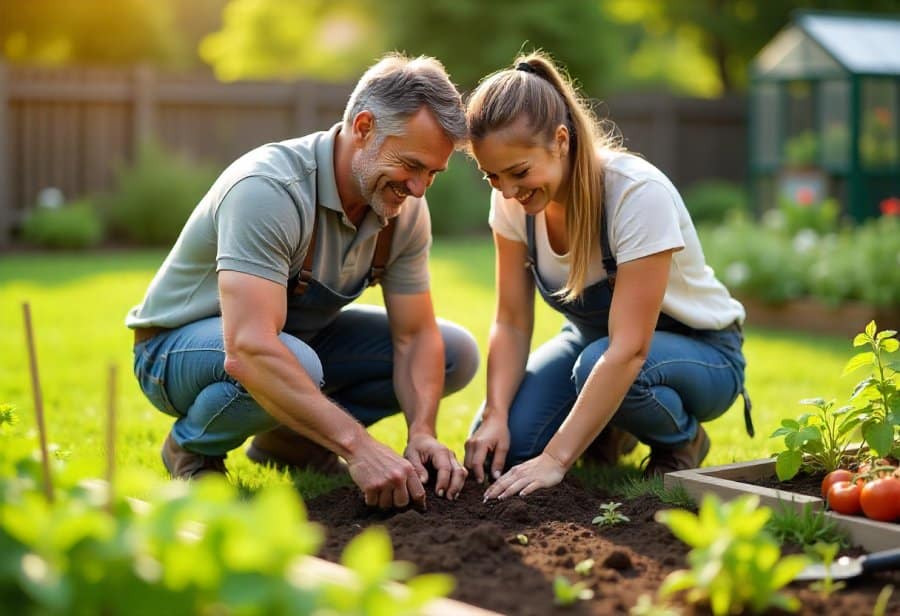
Today, gardening is experiencing a meaningful resurgence as a practical way to support mental health and strengthen social bonds. Across urban neighborhoods and suburban backyards, initiatives like community gardens and therapeutic horticulture programs are gaining traction, proving that spending time among plants and soil can reduce stress, combat loneliness, and foster a sense of belonging. These efforts reflect a broader understanding that gardening isn’t just a pastime—it’s a tool for emotional resilience and community building.
Modern approaches aim to make gardening more inclusive and accessible. Urban gardens transform vacant lots into vibrant green spaces where neighbors grow vegetables, herbs, and flowers together. These shared efforts do more than produce food—they create opportunities for conversation, trust, and cooperation. Many therapeutic horticulture programs incorporate gardening into mental health support, helping individuals reconnect with nature while nurturing their emotional well-being. Backyards and balcony gardens also serve as personal retreats, offering a peaceful escape from the digital world.
Cultural traditions continue to influence contemporary gardening practices. In Japan, mindfulness is cultivated through Zen gardens, turning gardening into a meditative act that fosters inner calm. In Mediterranean regions, communal vegetable plots and fragrant herb gardens serve as social hubs, reinforcing bonds through shared tending. Indigenous communities incorporate native plants into healing rituals, emphasizing the spiritual and cultural significance of gardens. These diverse approaches highlight that, regardless of context, tending to plants remains a universal way to nurture connection and well-being.
Despite these positive trends, challenges persist. Access to gardening opportunities often depends on socioeconomic factors, leaving some communities without easy access to green spaces. Environmental concerns—such as sustainability and land use—also come into play, prompting discussions about eco-friendly practices. Critics remind us that gardening isn’t a cure-all; it should complement professional mental health care, not replace it. Addressing these issues requires ongoing efforts to promote equitable access, sustainable methods, and education.
Support from governments, nonprofits, and communities continues to grow, recognizing green spaces as vital for mental health. Initiatives that invest in urban greenery and outdoor programs aim to combat social isolation and foster trust among residents. Digital tools, like gardening apps and online communities, expand access and knowledge-sharing, making gardening more inclusive even in densely populated areas. These innovations reinforce the idea that outdoor care is essential for emotional and social well-being, especially as cities become more crowded and digital interactions more prevalent.
Looking ahead, the role of gardening as a pillar of mental health support is poised to expand further. Cities and organizations increasingly see green spaces as crucial for resilience and community cohesion. Integrating garden-based activities into schools and healthcare settings can teach patience, empathy, and emotional regulation, benefiting individuals and communities alike. As research continues to validate these benefits, more efforts will focus on making gardening a mainstream part of holistic health strategies.
In essence, the evolving landscape of gardening reflects a resilient, adaptable tradition. From ancient sacred spaces to modern therapeutic gardens, tending plants remains a timeless act of nurturing resilience and fostering connection. As technological advances and societal shifts continue, the simple act of caring for life—plants and people—remains a powerful way to heal, connect, and grow together. This ongoing relationship with nature underscores that, in a digital age, the most profound bonds are often rooted in the soil.
Transforming Theory into Tangible Benefits for Emotional and Relational Health
Gardening offers tangible benefits that go far beyond the simple act of planting and watering. When we connect with soil and plants, a natural calming effect often follows, helping to reduce stress and mental fatigue. Whether tending a vegetable patch, a flower bed, or an herb garden, these activities create a grounding experience that fosters mindfulness and presence. Feeling the texture of soil, inhaling the scent of blooms, and listening to the sounds of nature help us disconnect from digital distractions and promote a sense of tranquility.
Sharing gardening tasks can significantly strengthen relationships through teamwork and cooperation. Working side by side to plant, nurture, and harvest cultivates trust and open communication. Neighbors collaborating on a community garden often find that their joint efforts lead to genuine bonds and a deeper understanding of each other. Celebrating small successes together, like a first harvest or a flowering plant, boosts confidence and reinforces a sense of shared achievement, making the activity more meaningful.
Beyond immediate relaxation, gardening teaches patience and empathy. Caring for plants involves accepting delays and setbacks, mirroring life’s challenges. Watching a seed sprout or a flower bloom reminds us of resilience and hope, cultivating trust not only in the plants but also in each other. Routine tasks like watering and pruning serve as mindfulness practices that calm racing thoughts and help manage overwhelming feelings, nurturing emotional stability.
For many, tending a garden becomes a shared source of pride and community. Whether it’s a backyard project or a neighborhood plot, these efforts foster a sense of belonging and mutual support. The act of caring for something together nurtures trust and empathy, creating bonds that often extend beyond the garden itself. In this way, gardening becomes a powerful tool for nurturing human connections and emotional well-being, especially in a world that sometimes feels disconnected.
Getting started is straightforward—selecting easy-to-grow plants like herbs or flowers and using basic tools can make gardening accessible to all. Establishing regular routines, such as watering or harvesting, helps create a sense of purpose and rhythm. Celebrating small milestones encourages ongoing participation and adds to the joy of nurturing life. Focusing on shared effort and the simple pleasure of watching plants grow fosters a rewarding experience that supports mental health and relational growth.
In essence, gardening is an accessible, rewarding activity that promotes emotional resilience and strengthens bonds. It invites us to slow down, be present, and nurture life—both in the soil and in our relationships. As we cultivate our gardens, we also cultivate patience, trust, and empathy, building a foundation for healthier, more connected lives. This timeless act of care offers a gentle reminder that growth, healing, and connection flourish best when rooted in shared effort and genuine presence. For more on this topic, the Mayo Clinic highlights how gardening can support health, reduce stress, and connect us with nature. Click here to read the full article.
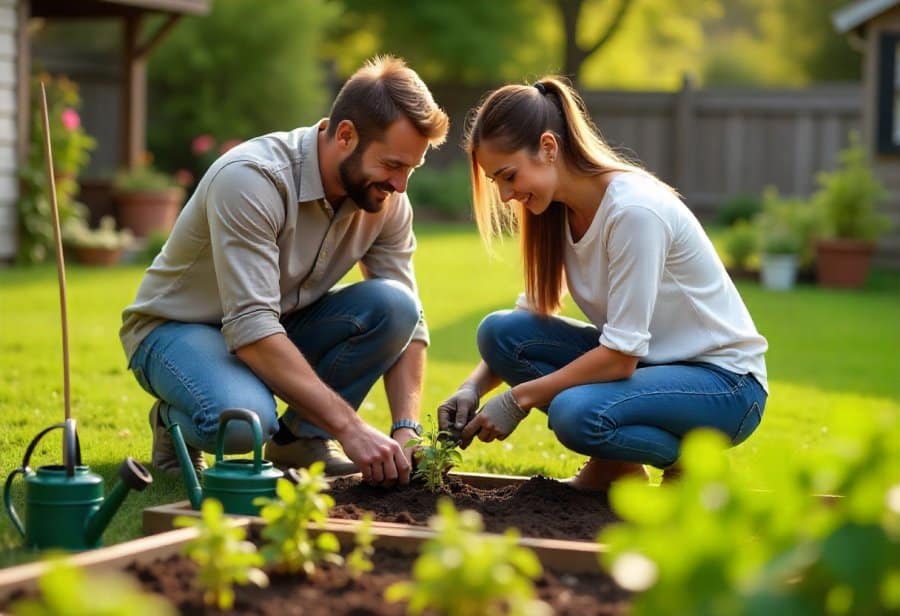
Shaping the Future of Gardening as a Powerhouse for Healing and Community Resilience
As awareness of gardening’s healing power continues to grow, its role in our lives becomes more vital than ever. Innovations in urban farming, community green spaces, and therapeutic horticulture are expanding access, allowing a broader range of people to experience the mental and emotional benefits that come from tending plants. These efforts help break down barriers related to space, resources, and social inclusion, making outdoor care accessible and meaningful for all. Meanwhile, new technologies like smart gardening tools and online platforms are opening fresh avenues for engagement, knowledge-sharing, and connection—even in crowded cities or digital-heavy environments.
Looking ahead, the potential for gardening to serve as a cornerstone of mental health and community resilience is promising. Cities and organizations increasingly recognize green spaces not just for their beauty or recreation but as essential tools for emotional well-being. Investment in community gardens, urban farms, and outdoor programs can help combat social isolation and foster trust among residents. As research continues to highlight the mental health benefits—such as stress reduction and mood enhancement—these initiatives are poised to grow, embedding outdoor care into everyday life.
The long history of gardening as a healing activity underscores its ongoing relevance. From sacred spaces in ancient civilizations to modern therapeutic gardens, caring for plants remains a universal act that nurtures resilience and connection. This timeless aspect suggests that, regardless of technological progress, our innate bond with nature endures. Future developments may focus on making gardening more inclusive, sustainable, and tailored to individual needs, ensuring its benefits reach diverse populations and communities.
Integrating garden-based practices into schools and healthcare settings could deepen their impact. Educational programs teaching patience, empathy, and emotional regulation through outdoor projects can shape healthier, more resilient young minds. Healthcare providers might incorporate garden therapy into treatment plans, recognizing its capacity to complement traditional mental health support. Such steps will help cultivate a culture where outdoor care and emotional well-being go hand in hand, strengthening both individuals and communities.
However, challenges remain. Ensuring equitable access to green spaces, especially in underserved urban areas, requires ongoing effort and investment. Environmental concerns around sustainability and land use demand careful planning and eco-friendly practices. Critics remind us that gardening is not a cure-all; it works best when combined with professional support and broader social initiatives. Addressing these issues with intentionality and inclusivity will be key to maximizing gardening’s healing potential for everyone.
Despite hurdles, the future of gardening as a tool for emotional connection looks bright. Increased collaboration among governments, nonprofits, and communities signals a shared recognition of nature’s role in fostering resilience. Digital platforms and virtual communities will continue to facilitate knowledge exchange, making gardening more accessible regardless of physical limitations or location. These innovations help ensure that the nurturing act of tending to life remains within reach, offering ongoing opportunities for growth, healing, and connection.
At its core, nurturing our relationship with nature through shared gardening experiences offers a simple yet profound way to build resilience and strengthen bonds. Even in an increasingly digital world, the act of planting seeds—both in soil and in trust—remains a universal act of care. As societal and technological landscapes evolve, this timeless practice will continue to remind us that growth, healing, and connection flourish best when rooted in shared effort and genuine presence. Gardening’s enduring power lies in its ability to nurture not just plants, but the human spirit, fostering hope and togetherness for generations to come.