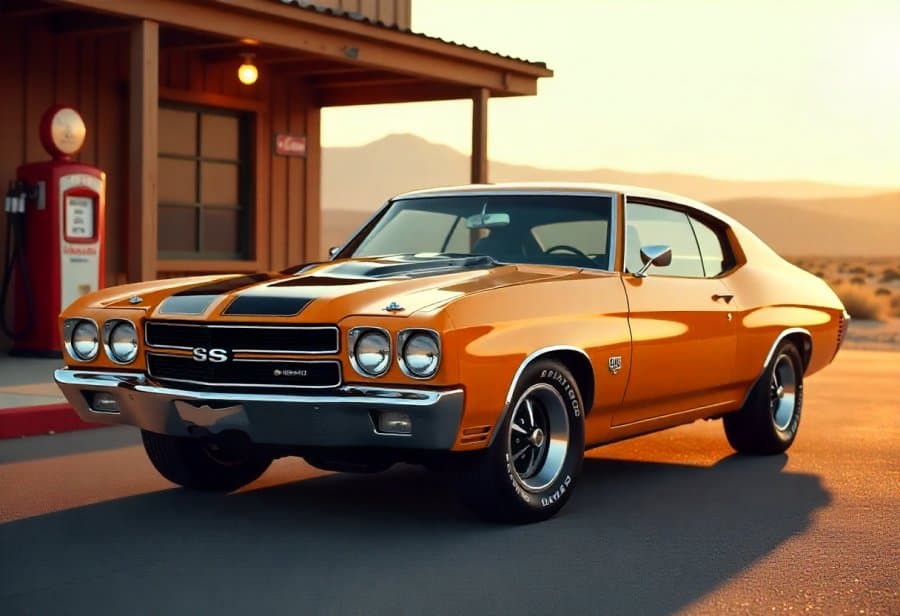
The Ford Mustang stands as a legendary symbol of American muscle, embodying freedom, rebellion, and innovation since its debut in 1964. From its sleek design and roaring engines to its iconic appearances in movies like ‘Bullitt,’ the Mustang has proven its enduring cultural impact, inspiring generations of enthusiasts worldwide. Its evolution over the decades reflects a perfect blend of nostalgia and modern technological advancement—balancing raw power with cutting-edge features. But what truly keeps the Mustang relevant today? As Ford explores electrification and hybrid technologies, can the spirit of pure performance and rebellious style survive in a new era? The answer lies in the car’s ability to adapt without losing its core identity. With ongoing innovations and a passionate community, the Mustang promises to remain an unstoppable icon—forever in motion, forever young. Will it continue to thrill drivers as it has for over half a century, or will its legacy face new challenges? Only time will tell.
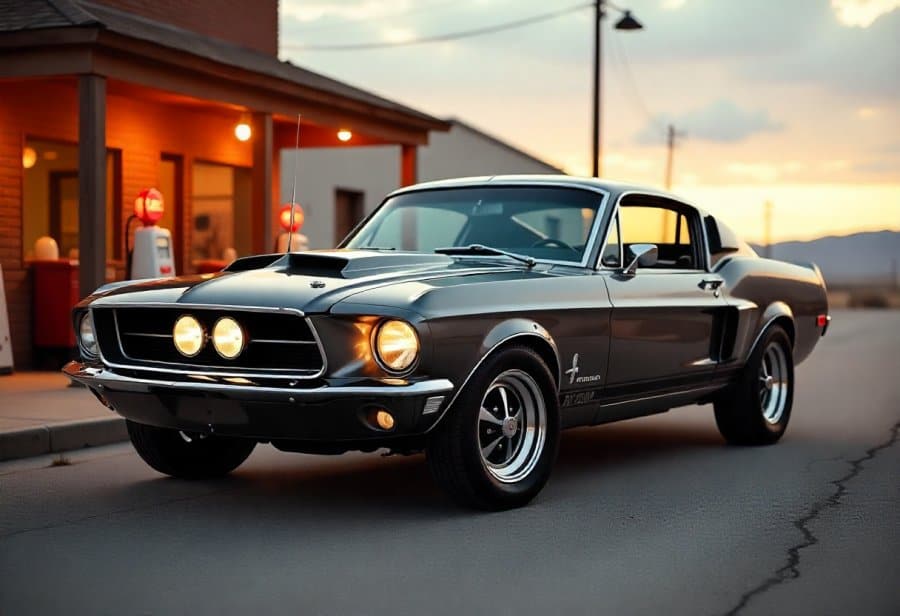
The Mustang: An Icon of American Culture and Innovation
The Ford Mustang is more than just a car; it’s a symbol that has come to define American culture and automotive innovation. Since its debut in 1964, the Mustang has captured the imagination of drivers and enthusiasts alike, embodying a sense of freedom, rebellion, and individuality. Its distinctive design and performance capabilities quickly made it an icon, helping to shape the muscle car era and establish new standards for sporty, affordable vehicles. Over the years, the Mustang has proven its ability to evolve while maintaining its core identity, staying relevant across multiple generations.
What makes the Mustang stand out is how seamlessly it blends striking style with raw performance. Its sleek, muscular lines and the famous pony grille immediately communicate power and attitude. Beneath its bold exterior lies a range of engines designed to deliver exhilarating speed and sharp handling, inviting drivers to embrace a spirit of adventure. More than just a means of transportation, the Mustang is a way to express personality and independence, qualities that have cemented its reputation as a cultural icon.
The car’s influence extends beyond the roads into movies, music, and media, reinforcing its legendary status. It’s starred in classics like “Bullitt,” with Steve McQueen’s unforgettable chase scene, and continues to appear in modern franchises such as “Fast & Furious.” These appearances have helped solidify the Mustang’s role as a symbol of speed and daring, inspiring countless fans and drivers to chase their own sense of freedom. Its presence in pop culture ensures that each new generation recognizes it not only as a vehicle but as a powerful emblem of American ingenuity.
The Mustang’s cultural significance is also reflected in its passionate community of enthusiasts and collectors. Many see it as a piece of American history—an enduring blend of nostalgia and innovation. Today’s models incorporate advanced technology and modern features without losing the raw, muscular essence that made the Mustang a legend. This balance of tradition and progress keeps the car fresh, inspiring new drivers while honoring the legacy of those who built its storied reputation.
In essence, the Ford Mustang represents more than just a vehicle; it’s a timeless symbol of American values—freedom, resilience, and creative spirit. Its story is one of continuous evolution, driven by a desire to stay true to its roots while embracing the future. As it continues to inspire and excite, the Mustang remains a powerful icon that captures the imagination of drivers around the world, a true testament to the enduring power of an automotive legend.
Tracing the Roots: The Birth and Evolution of the Pony Car
The story of the Ford Mustang begins in the early 1960s, a time when American drivers craved more excitement and personal expression from their cars. Ford aimed to tap into this demand by creating a vehicle that was sporty, stylish, and affordable—drawing inspiration from European models like the Jaguar E-Type and Alfa Romeo. The result was the first “pony car,” a new category that would come to define the Mustang’s identity and set it apart from traditional muscle cars.
When the Mustang was introduced in April 1964, it made an instant splash. Its sleek, compact design combined with a variety of engine options that balanced performance and accessibility. The long hood and short rear deck gave it an athletic silhouette that immediately caught the eye. Ford’s marketing emphasized the car’s appeal to the young at heart, highlighting themes of freedom and adventure. The response was overwhelming, turning the Mustang into a cultural phenomenon almost overnight.
Over the decades, the Mustang evolved through several generations, each reflecting changing tastes and technological advances. The first-generation models, produced until 1973, showcased bold styling and offered a wide range of engines, from efficient inline-sixes to high-powered V8s. Performance variants like the Shelby GT350 and GT500 pushed speed and handling to new levels, solidifying the Mustang’s reputation as a muscle car icon and racing legend.
The 1974 second-generation Mustang brought a shift toward a more compact, aerodynamic shape, partly driven by rising fuel economy concerns. Despite the sleeker design, Ford maintained the car’s sporty spirit with improved handling and engine choices. The 2005 revival drew heavily on nostalgia, blending retro styling cues with modern engineering to reignite enthusiasm among both new fans and longtime enthusiasts.
Throughout its history, the Mustang has hit key milestones that elevated its status. Collaborations with figures like Carroll Shelby produced legendary models, while limited editions like the Boss 302 and Mach 1 celebrated racing roots and added exclusivity. These efforts reinforced the Mustang’s identity as more than just a stylish ride—it’s a symbol of power, resilience, and American racing heritage.
Today, the Mustang continues to adapt with advanced technology—turbocharged engines, modern suspensions, and sophisticated infotainment—without losing its raw, muscular feel. Its journey from a revolutionary idea to a global icon shows its remarkable ability to evolve while staying true to its roots. The Mustang remains a true legend, forever capturing the spirit of American muscle and freedom.
Design and Power: The Visual and Performance Identity of the Mustang
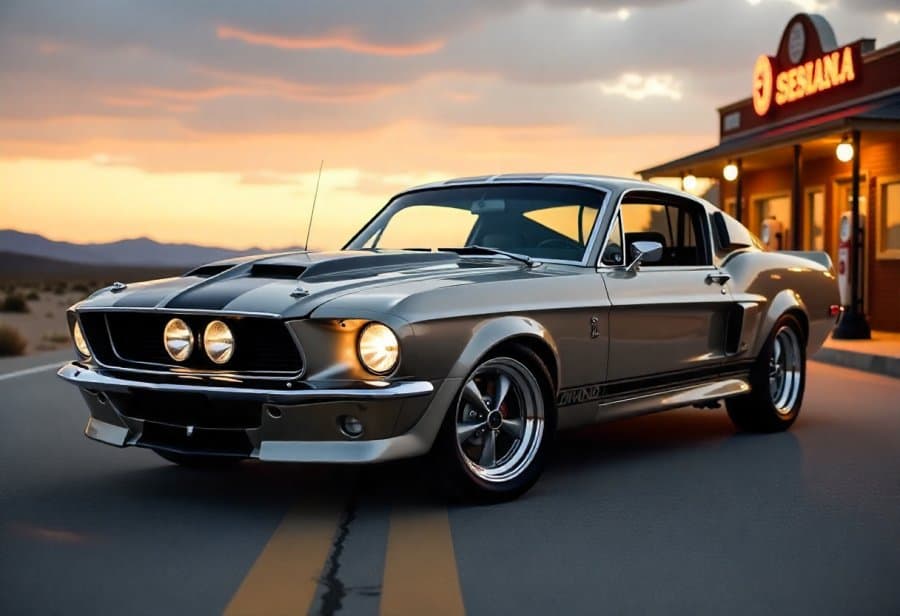
The design of the Ford Mustang is what truly cements its status as an automotive icon. Its signature pony grille, prominently featuring the running horse emblem, immediately signals its sporty and rebellious character. The bold front end, with sleek headlights and aggressive lines, gives the car an alert, ready-for-action look that’s both timeless and striking. These design elements aren’t just aesthetic choices—they embody the car’s performance-driven spirit and evoke a sense of power at a glance.
Moving along the profile, the Mustang’s long hood and short rear deck create a balanced, athletic stance that hints at speed and agility. Subtle details like side scoops and a wide stance enhance its commanding presence on the road. These contours have remained consistent across generations, making the Mustang instantly recognizable regardless of the model year and reinforcing its legacy as a classic American muscle car.
Performance is deeply woven into the Mustang’s design DNA. Early models offered a variety of engines—from efficient inline-sixes to roaring V8s—each delivering impressive acceleration and handling. Today’s versions continue this tradition with turbocharged engines, advanced suspensions, and modern technology that elevate speed and stability. Lightweight materials in recent models help reduce weight, translating into quicker acceleration and more precise control, giving drivers a direct connection to the road.
When it comes to power, the Mustang’s capabilities are legendary. The 5.0-liter Coyote V8, for example, produces over 400 horsepower, allowing it to reach 60 mph in just a few seconds. Its performance isn’t just about raw speed; features like adaptive suspensions and electronic stability control ensure it handles curves with agility and confidence. These technical advances keep the Mustang competitive on both streets and racetracks, appealing to casual drivers and serious enthusiasts alike.
Design details such as optional racing stripes, hood vents, and aerodynamic side mirrors serve more than just visual purposes—they enhance airflow, reduce drag, and help cool the engine during high-performance drives. Inside, the cabin echoes the exterior’s sporty vibe with racing-inspired seats, a driver-focused dashboard, and modern infotainment systems that keep drivers connected without distraction. This seamless integration of form and function underscores the Mustang’s identity as a high-performance machine designed to thrill and perform.
Cultural Legend: The Mustang’s Impact and Modern Relevance
The Ford Mustang’s influence extends far beyond the showroom, shaping American culture and how performance cars are perceived today. Its appearances in iconic movies like “Bullitt,” with Steve McQueen behind the wheel, and blockbuster franchises such as “Fast & Furious,” have helped elevate it to legendary status. These moments on screen have cemented the Mustang as more than just a vehicle—it’s a symbol of speed, rebellion, and freedom that resonates across generations.
Media portrayals continue to reinforce this image, often emphasizing its muscle car heritage and sporty personality. Whether cruising along coastal highways or tearing up racetracks, the Mustang embodies independence and daring. Its presence in music videos, television shows, and advertisements keeps its legacy vibrant, inspiring new drivers to see it as a symbol of American resilience and power. This cultural relevance ensures the Mustang remains a symbol of rebellion and adventure.
Today’s enthusiasts and collectors view the Mustang as more than just a car; it’s a piece of American history. They appreciate how it balances nostalgia with innovation—integrating advanced turbos, sophisticated safety features, and modern connectivity with its classic design cues. While new models push boundaries with cutting-edge technology, they stay true to the raw, muscular spirit that made the Mustang legendary. This blend of tradition and progress keeps it relevant for a new generation.
However, the Mustang’s place in modern culture isn’t without debate. Purists worry that shifting toward electrification and high-tech features might dilute its raw, visceral character. Critics fear that losing the traditional V8 roar and muscle car feel could weaken its authenticity. Yet, supporters see these changes as necessary to keep the Mustang competitive and exciting in an evolving automotive landscape.
The car’s global appeal also plays a significant role in its cultural impact. Across the world, the Mustang stands as a bold emblem of American automotive craftsmanship and freedom. Enthusiasts in Europe, Asia, and beyond admire its design, performance, and rebellious spirit, often seeking to own a piece of that legacy. This international admiration extends the car’s influence well beyond its American roots.
As the Mustang continues to evolve, it remains a symbol of boldness and innovation. Special editions, restored classics, and limited runs keep the legend alive, honoring its racing heritage and cultural significance. The ongoing balance between honoring tradition and embracing future technology ensures the Mustang will remain relevant and revered.
In the end, the Mustang’s cultural impact is undeniable. It embodies the American ideals of independence, resilience, and creativity—traits that resonate worldwide. Its presence in media, its community of passionate fans, and its continuous evolution all contribute to its status as a true icon. The Mustang isn’t just a car; it’s a living symbol of freedom, adventure, and the unbreakable spirit of American muscle.
Looking Forward: The Future of the Mustang in a Changing World
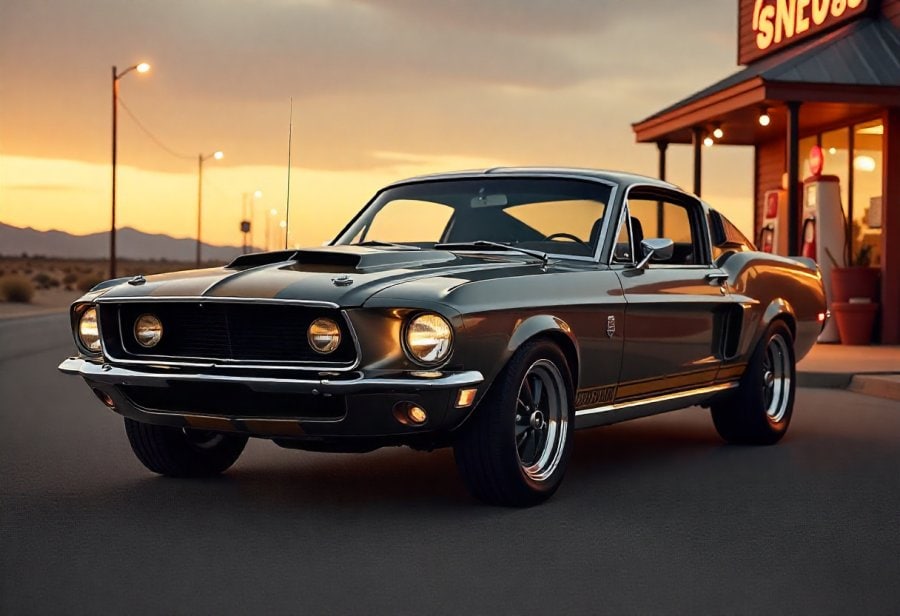
The future of the Ford Mustang looks brighter than ever, as it prepares to navigate a changing automotive landscape while staying true to its roots. Ford is actively exploring electrification and hybrid technologies, aiming to deliver the same exhilarating performance fans have loved for decades, but with a cleaner, more sustainable approach. Early prototypes suggest that electric Mustangs will maintain the raw power and handling that define the model, ensuring the spirit of American muscle endures in a new era.
Alongside powertrain innovations, Ford is investing heavily in driver-assistance systems, connectivity, and modern infotainment features. These advancements are designed to enhance safety and convenience, appealing to a new generation of drivers who value technology as much as performance. With adaptive suspensions, real-time telemetry, and customizable driving modes, future Mustangs will offer an even more engaging and personalized driving experience—an evolution that respects the car’s rebellious legacy while embracing innovation.
Despite these technological shifts, preserving the iconic design of the Mustang remains a priority. Its muscular silhouette, aggressive stance, and distinctive styling cues will continue to define future models. Ford recognizes that these design elements are essential to maintaining its identity and emotional appeal. By integrating modern materials and engineering techniques, the brand aims to create a seamless blend of classic aesthetics and cutting-edge performance, ensuring the Mustang remains instantly recognizable and relevant.
The legacy of the Mustang is also reinforced through special editions and restored classics, which continue to be highly coveted by collectors and enthusiasts alike. Limited runs that celebrate its racing heritage and bold design keep the spirit alive, reminding us that the car’s history is as vital as its future. This balance of honoring tradition while pushing forward with innovation will be crucial in securing the Mustang’s place as an enduring icon.
Looking ahead, the challenge lies in maintaining the raw, rebellious essence that has made the Mustang famous. Ford’s commitment to performance, style, and American craftsmanship suggests that the model will continue to inspire drivers worldwide. If the brand can successfully merge technological advancements with the car’s storied past, the Mustang will remain a symbol of freedom and speed for generations to come—a timeless legend in motion.