Why does America continue to be captivated by charismatic figures promising simple solutions? From 19th-century medicine shows to modern political rallies, the allure lies in storytelling, spectacle, and emotional engagement—tools that forge trust and identity far more effectively than facts alone. Leaders like Clark Stanley and Donald Trump master the art of turning complex issues into memorable narratives, offering quick fixes that evoke hope, pride, and fear. But beneath this spectacle lies a deeper question: are we truly seeking genuine cures or simply buying into illusions crafted for entertainment? The history of snake oil reveals that authenticity can be overshadowed by showmanship, transforming real remedies into legends of deception. Recognizing these patterns is crucial for safeguarding democracy—by fostering critical thinking and media literacy, we can resist manipulation and demand honesty. Is our collective fascination with spectacle a reflection of hope for solutions, or a vulnerability that threatens the truth?
Contents

Why America is Drawn to Charismatic Figures and Simple Fixes
Why does America keep falling for charismatic figures promising simple solutions? From political leaders to health gurus, there’s a persistent fascination with individuals who craft compelling stories and deliver quick fixes, even when real-world problems are layered and complex. This pattern isn’t new; it’s woven into the fabric of American culture, rooted in a long history of showmanship, persuasion, and the love of miracle cures. People are often more captivated by a leader’s charisma and emotional resonance than by detailed policies or scientific evidence. This tendency shapes how we view leadership and problem-solving on a collective level.
Throughout history, Americans have been drawn to spectacle and storytelling. From the medicine shows of the 19th century to modern political rallies, leaders have understood that entertainment and emotional appeal can be more persuasive than facts alone. These events turn complicated issues into simple narratives, creating hope and certainty amid chaos. Whether it’s a fiery speech or a theatrical demonstration, the goal remains the same: to captivate, convince, and forge an emotional bond with audiences seeking reassurance.
This allure of simple solutions often taps into a universal human desire for control. In uncertain times, slogans like “Build the wall” or “Drain the swamp” act as quick fixes, promising relief and clarity. These slogans evoke strong feelings—hope, fear, pride—and give supporters a sense of agency. They distill complex social and economic challenges into digestible, memorable phrases that feel immediate and attainable, even if they oversimplify reality.
Spectacle doesn’t just attract attention; it forges emotional bonds that create a shared identity. Leaders stage events filled with symbols, rituals, and drama that stir feelings—pride, anger, or fear. These emotional experiences turn abstract issues into collective stories, reinforcing loyalty and a sense of belonging. Over time, this emotional engagement lays a foundation of trust, making followers more receptive to promises of quick relief, regardless of their feasibility.
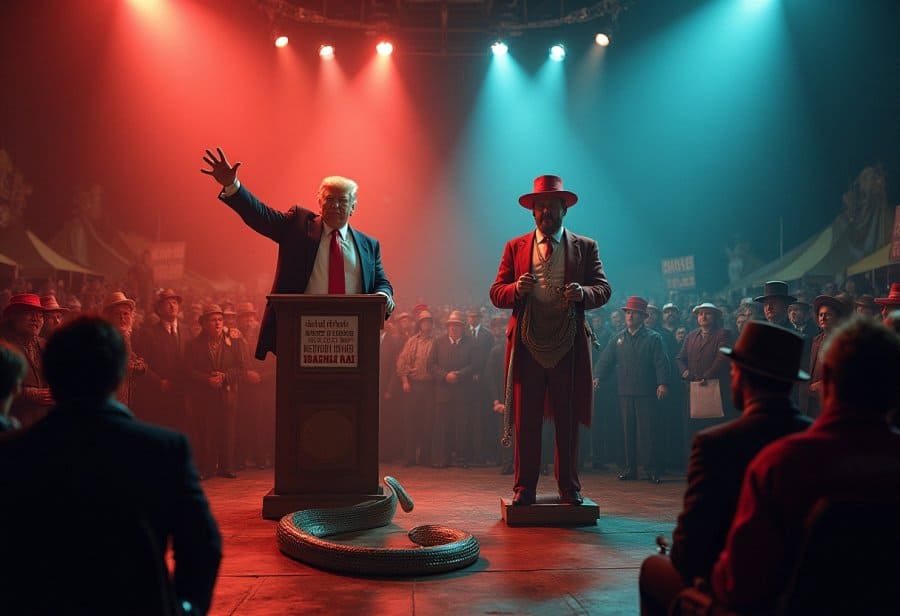
The story of snake oil exemplifies this dynamic. Originally, Chinese water snake oil was a genuine remedy used for inflammation, valued in traditional Chinese medicine. But as it traveled west, showmen like Clark Stanley turned it into theatrical spectacle, claiming it could cure nearly everything. Their performances prioritized entertainment over medicine, transforming a legitimate treatment into a symbol of deception. This shift highlights how storytelling and spectacle can overshadow authenticity, shaping public perception of cures—whether health-related or political.
Both historic medicine shows and modern political rallies rely on the same principles: emotional storytelling, visual drama, and identity-building. Charismatic leaders craft identities that seem genuine and trustworthy, often sharing personal anecdotes or emphasizing shared values. Supporters see these figures as authentic protectors, even if their messages are largely performative. This creates a powerful illusion of trust, rooted in emotional perception rather than substantive truth.
At its core, America’s fascination with charismatic figures selling simple cures reflects a deep-seated hope for solutions that feel immediate and manageable. In a world full of genuine challenges, the comfort of a miracle cure—whether real or illusionary—can be irresistible. Recognizing this pattern is crucial. It helps us understand why we are so susceptible to spectacle and why fostering critical thinking and skepticism is vital for a healthy democracy.
Unveiling the Foundations of Charismatic Persuasion
Charismatic figures attract people by exuding confidence, relatability, and authority—traits that quickly build trust. Their appeal often hinges on simplicity: offering clear, straightforward solutions to complex problems that resonate with those seeking hope and certainty. These leaders craft compelling stories, using language and gestures that evoke strong emotional responses, making their ideas feel personal and urgent. At their core, charisma taps into deep psychological needs—belonging, validation, and control—allowing followers to suspend skepticism and embrace their messages wholeheartedly.
Throughout American history, showmanship has been a vital tool for political success. From Patrick Henry’s fiery speeches to modern campaign rallies, leaders have understood that emotional engagement can be more persuasive than detailed policy debates. The spectacle, with its dramatic gestures, slogans, and rituals, creates memorable moments that foster a sense of unity and shared purpose. Today, televised debates and social media amplify this effect, transforming politics into entertainment that bonds supporters through shared feelings rather than facts.
People are naturally drawn to simple answers because they offer clarity amid chaos. When faced with complex social, economic, or personal issues, most prefer solutions that seem immediate and easy to grasp. Charismatic leaders exploit this tendency by framing issues in memorable, punchy terms—like “Build the wall” or “Drain the swamp”—that act as rallying cries. These slogans evoke powerful emotions—hope, anger, pride—and give supporters a sense of control, even if they oversimplify or distort the full picture.
Spectacle isn’t just about grabbing attention; it’s a strategic tool for emotional bonding and group identity. Leaders stage events filled with symbols, rituals, and dramatic flourishes that stir feelings of pride, fear, or anger. These shared emotional experiences turn abstract issues into collective stories, reinforcing loyalty and a sense of belonging. Over time, this emotional connection becomes the foundation of trust, making followers more receptive to promises of quick fixes, regardless of their feasibility.
Authenticity often plays a key role in this dynamic. Leaders craft personas that seem genuine and relatable—sharing personal stories or emphasizing shared values—to create a perception of authenticity. Followers interpret this performative authenticity as real, perceiving the leader as someone who truly understands and cares about their struggles. This emotional perception fosters loyalty and trust, even when the leader’s messages are largely constructed or performative.
Ultimately, the success of charismatic figures relies on their mastery of storytelling, spectacle, and emotional appeal. They understand that humans are wired to seek certainty and belonging, especially in uncertain times. By blending entertainment with relatable identities, they forge bonds that transcend facts, making their promises feel attainable and their messages memorable. This enduring appeal reveals a fundamental aspect of human nature: our collective desire for quick, simple solutions, even if they’re just illusions in a bottle.
The Truth Behind Snake Oil: Myth, Medicine, and Deception
The story of snake oil often brings to mind deception and false promises, but its origins reveal a more nuanced truth. The original Chinese water snake oil was a genuine medicinal product brought to America by Chinese railroad workers in the 19th century. Made from the fat of water snakes rich in omega-3 fatty acids, it had real anti-inflammatory properties and was used to treat joint pain and arthritis. Far from being a scam, it was a legitimate remedy rooted in traditional Chinese medicine, valued for its healing qualities long before it arrived in the United States.
However, as the story traveled west, showmen like Clark Stanley transformed this authentic product into theatrical spectacle. Stanley, known as the “Rattlesnake King,” used dramatic demonstrations—pulling rattlesnakes from sacks, boiling their fat into supposed cures—to entertain and captivate audiences. His performances prioritized entertainment over medicine, claiming his product could cure nearly everything, from rheumatism to stomach problems, despite lacking scientific proof. His show turned the genuine remedy into a symbol of deception, blending fact and fiction to create a compelling myth.
This shift from real medicine to theatrical spectacle illustrates how authenticity can be easily overshadowed by storytelling. Stanley’s snake oil wasn’t just a scam; it was a distorted version of a real treatment that, in its original form, had genuine medicinal value. The emotional thrill of the show and the visual drama distracted consumers from scrutinizing the truth. Over time, the myth grew that snake oil was entirely fake—a miracle cure con artists peddled without basis. Yet, the truth is that the original snake oil did contain effective medicinal ingredients; its reputation was tarnished by showmen eager to profit from spectacle.
The phrase “snake oil” has since become shorthand for deception, masking its complex history. The authentic product was effective and respected in traditional medicine, but the spectacle-driven stories eclipsed its real value. This history reminds us that storytelling and entertainment can distort perceptions of truth, turning genuine solutions into legends of fraud. Recognizing the original snake oil’s medicinal roots helps us understand why the allure of miracle cures persists—sometimes the real remedy is hidden beneath layers of myth and showmanship.
Today, political and health narratives often echo this pattern. Leaders craft identities that seem authentic and trustworthy while relying heavily on spectacle and emotional storytelling. Whether promising health cures or national renewal, they understand that the emotional thrill and visual drama can overshadow the complex truth, creating powerful illusions. The history of snake oil teaches us that beneath the glitter and spectacle, genuine remedies require scrutiny—reminding us to look beyond the surface and question what’s really in the bottle.
Understanding this complex history also sheds light on how the term ‘snake oil’ evolved into a symbol of fraud. For a deeper exploration of how snake oil became a symbol of fraud, you can read more about its transformation from a genuine remedy to a deceptive legend Snake Oil Became a Symbol of Fraud.
Decoding the Enduring Appeal of Spectacle and Storytelling
The success of charismatic figures like Trump and historical showmen such as Clark Stanley hinges on their deep understanding of human psychology. They craft stories that strike emotional chords—belonging, validation, hope—and weave these into identities that feel authentic and relatable. By sharing personal anecdotes or emphasizing shared values, they foster a sense of trust that often surpasses the importance of factual accuracy. Followers aren’t just convinced by words; they connect emotionally, perceiving these leaders as genuine protectors who understand their struggles and can deliver solutions, even if those solutions are oversimplified or performative.
Throughout American history, spectacle and showmanship have been central to political triumphs. From fiery speeches of Patrick Henry to modern televised rallies, leaders have mastered the art of emotional engagement. These events create memorable moments—dramatic gestures, slogans, rituals—that foster unity and shared purpose. Today, social media and live broadcasts amplify this effect, transforming politics into a form of entertainment that bonds supporters through feelings rather than facts. This emotional resonance often outweighs substantive policy debates, making support more about identity and belonging than policy nuances.
Many of these figures excel at boiling complex issues into simple, memorable narratives that feel within reach. When faced with social or economic challenges, most people prefer solutions that seem immediate and clear—like “Build the wall” or “Drain the swamp.” These slogans evoke strong feelings—hope, anger, pride—and give supporters a sense of agency and relief. The allure of quick fixes often overshadows the messy realities and nuanced solutions, reinforcing a preference for narratives that promise instant relief over long-term, complex strategies.
Spectacle also functions as a vital tool for emotional bonding and group identity. Leaders stage events filled with symbols, rituals, and dramatic flourishes that stir feelings—whether pride, fear, or anger. These shared emotional experiences turn abstract issues into collective stories, strengthening loyalty and a sense of belonging. Over time, this emotional connection forms a foundation of trust, making followers more receptive to promises of quick fixes, even if those promises lack real substance or feasibility.
The perception of authenticity plays a crucial role in this dynamic. Leaders often craft personas that seem genuine by sharing personal stories or emphasizing shared values. Supporters interpret this performative authenticity as real, believing that their leader truly understands and cares about their concerns. This emotional perception fosters loyalty and trust, anchoring support in feelings of security and hope. Even when the leader’s messages are largely constructed or performative, supporters sustain their belief because it aligns with their deepest hopes and fears.
The enduring appeal of these figures reveals a fundamental aspect of human nature: our collective craving for certainty and belonging. In a world riddled with genuine challenges, the comfort of a miracle cure—whether real or illusionary—becomes irresistible. These leaders tap into that desire, offering simple, sweeping solutions that promise salvation. Their mastery lies in blending entertainment, identity, and emotion to create illusions that feel as real as any tangible remedy, proving that in America, the allure of spectacle and storytelling remains a powerful force shaping our social and political landscape.
Strengthening Democracy by Recognizing Spectacle and Persuasion
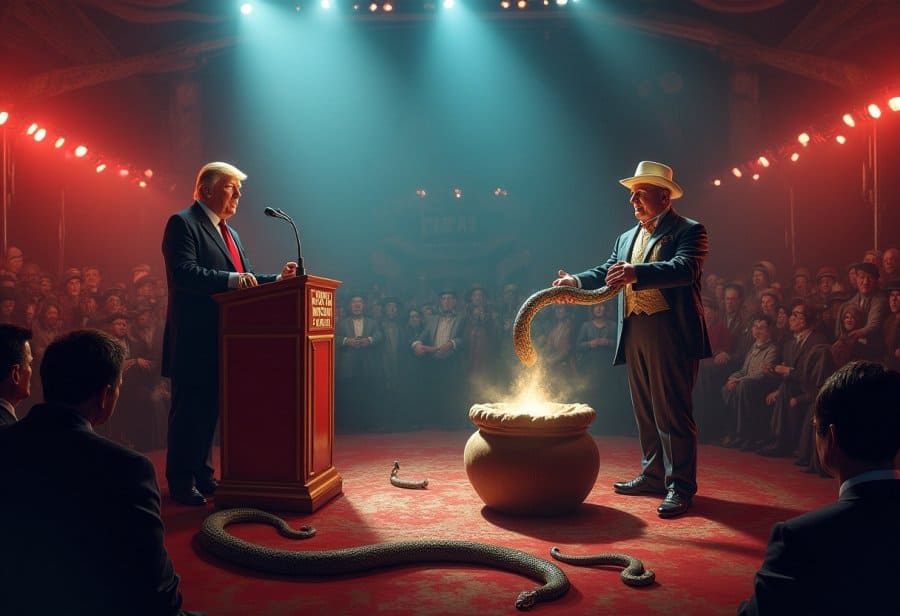
Understanding how spectacle and persuasion operate in politics isn’t just an academic exercise—it’s essential for strengthening democracy. When citizens learn to recognize the techniques leaders use—like emotional appeals, storytelling, and entertainment—they can become more critical of what they’re being shown. Instead of passively accepting messages, voters can question the motives behind grand gestures and catchy slogans, fostering a more skeptical and informed electorate. This awareness makes it harder for manipulative figures to sway opinions through spectacle alone and encourages a culture that values substance over style.
Media literacy plays a vital role here. When people understand how images, language, and rituals are used to evoke emotions, they can better decode superficial messages. Education that emphasizes critical thinking equips voters to evaluate promises more carefully, weighing evidence against emotional manipulation. Recognizing when a leader relies on spectacle rather than facts empowers citizens to hold their representatives accountable and demand honesty, creating a healthier democratic process rooted in truth.
Promoting open, nuanced debate is equally important. Encouraging communities to share diverse perspectives and question simplistic narratives fosters an environment where complex issues are addressed thoughtfully. Instead of resorting to slogans or emotional appeals, people learn to engage in discussions that prioritize evidence and reasoning. This cultivates a political culture that values knowledge and critical analysis, which are foundational for resilient democracy.
Creating public spaces—whether forums, workshops, or digital platforms—dedicated to meaningful dialogue can further reinforce these values. When citizens are empowered to analyze and critique political messages actively, they become less susceptible to manipulation. This active engagement nurtures trust in institutions and builds a shared sense of responsibility for democratic health, making the community less vulnerable to spectacle-driven disinformation.
In the digital age, social media amplifies both spectacle and engagement. While it offers opportunities for direct connection and rapid information sharing, it also accelerates misinformation and emotional manipulation. Developing digital literacy skills is crucial. When people can discern credible information from sensationalism, they are better equipped to resist manipulation and participate responsibly. An informed digital citizenry helps uphold democratic integrity amid the noise.
By understanding the mechanics behind spectacle and persuasion, society can move beyond mere reaction. Recognizing manipulation empowers voters to demand transparency and accountability. When citizens see through the illusions, they support leaders who prioritize genuine solutions over superficial entertainment. This shift fosters a more engaged, skeptical, and resilient democracy—one that values truth, evidence, and meaningful progress over spectacle-driven illusions.