In 2011, the final launch of Space Shuttle Atlantis marked a historic turning point in human space exploration, capturing global pride and nostalgia. This mission symbolized the end of an era of pioneering achievements—supporting scientific research, enhancing the International Space Station, and repairing the Hubble Space Telescope—while foreshadowing the future of space travel through technological innovations and international collaboration. But what lessons does Atlantis’s journey hold for tomorrow’s explorers? Its legacy extends beyond hardware upgrades and logistical feats; it underscores resilience, adaptability, and the power of shared human effort in pushing cosmic boundaries. As we transition to new partnerships with private companies and prepare for lunar and Martian ambitions, Atlantis’s story invites us to reflect: does our relentless curiosity—and the innovations it sparks—continue to drive us forward into the unknown? The spirit of exploration embodied by Atlantis remains an inspiring blueprint for the next frontier.
Contents

Honoring the Historic Farewell of Atlantis’s Final Space Shuttle Launch
In 2011, the world watched with a mix of pride and nostalgia as Space Shuttle Atlantis launched on its final mission. After nearly 30 years of pioneering human spaceflight, this flight marked the end of an era for NASA’s shuttle program—an era defined by innovation, resilience, and international collaboration. Atlantis’s last journey wasn’t just about retiring a spacecraft; it symbolized the culmination of decades of technological achievement and human effort that pushed the boundaries of exploration beyond Earth. The lift-off from Kennedy Space Center was a historic moment, resonating deeply across the global community and inspiring a new chapter in space exploration.
This final mission carried more than just supplies and equipment—it embodied the legacy of a program that had transformed our understanding of space. Over the years, the shuttle became NASA’s workhorse, supporting the assembly of the International Space Station, repairing the Hubble Space Telescope, and deploying vital satellites. Atlantis’s departure from service represented both a technological milestone and an emotional farewell to a spacecraft that had become synonymous with human ingenuity. Its journey underscored how perseverance and adaptability could turn ambitious dreams into reality, shaping the future of space travel.
The significance of Atlantis’s last flight extends beyond the technical feats. It signaled a strategic shift for NASA and the global space community. The end of the shuttle era prompted a reevaluation of how humans would reach beyond low Earth orbit, emphasizing sustainability, innovation, and international cooperation. The mission highlighted the importance of transitioning to newer, more efficient methods of exploration—paving the way for partnerships with private companies and the development of next-generation spacecraft. Atlantis’s final voyage, therefore, marked not just an end but a launchpad for new opportunities and ideas.
Public and international reactions underscored the emotional weight of this historic event. Fans, scientists, and space enthusiasts around the world followed the mission closely, sharing in the pride and nostalgia of the moment. Media coverage depicted Atlantis’s departure as a heartfelt farewell to a symbol of human achievement, while also capturing hope for future missions. The mission’s success reinforced the idea that space exploration remains a collective human endeavor—one driven by curiosity, resilience, and the desire to understand our universe better.
Atlantis’s final mission also served as a reminder of the importance of technological progress. The shuttle’s upgrades—ranging from improved thermal protection to more precise navigation systems—demonstrated how continuous innovation could enhance safety and performance. These advancements not only supported the immediate objectives but also influenced future spacecraft design, setting new standards for crew safety and mission reliability. Each technological improvement during this last flight contributed to a legacy of engineering excellence that would guide future exploration efforts.
Beyond hardware and technology, Atlantis’s last mission embodied the spirit of international collaboration. Its role in delivering critical supplies, scientific instruments, and repair tools to the International Space Station highlighted how space exploration fosters unity among nations. The mission reinforced the idea that humanity’s future in space depends on shared goals and collective effort. As new partnerships emerge, Atlantis’s legacy continues to inspire a cooperative approach—one that combines resources, expertise, and ambition to push the boundaries even further.
Looking ahead, the end of the shuttle program leaves a legacy built on resilience, innovation, and shared purpose. Atlantis’s final flight proved that with the right mix of technology and teamwork, humans could reach beyond Earth’s confines and unlock the secrets of the cosmos. Its mission laid the groundwork for future lunar and Martian exploration, emphasizing sustainability and international cooperation. As we prepare for new missions to the Moon, Mars, and beyond, the lessons learned from Atlantis’s historic journey will remain vital—guiding and inspiring the explorers of tomorrow.
Ultimately, Atlantis’s last flight is a testament to human curiosity and the relentless pursuit of discovery. It reminds us that every ending in space exploration opens new doors, fueling the imagination and ambition of future generations. While we celebrate the achievements of the past, we also look forward with anticipation and purpose. The spirit of exploration that carried Atlantis into space continues to drive humanity’s quest to reach further, explore deeper, and dream bigger—ensuring that the journey into the cosmos is far from over.
Delivering Science and Supplies: The Critical Payloads of Atlantis’s Last Mission
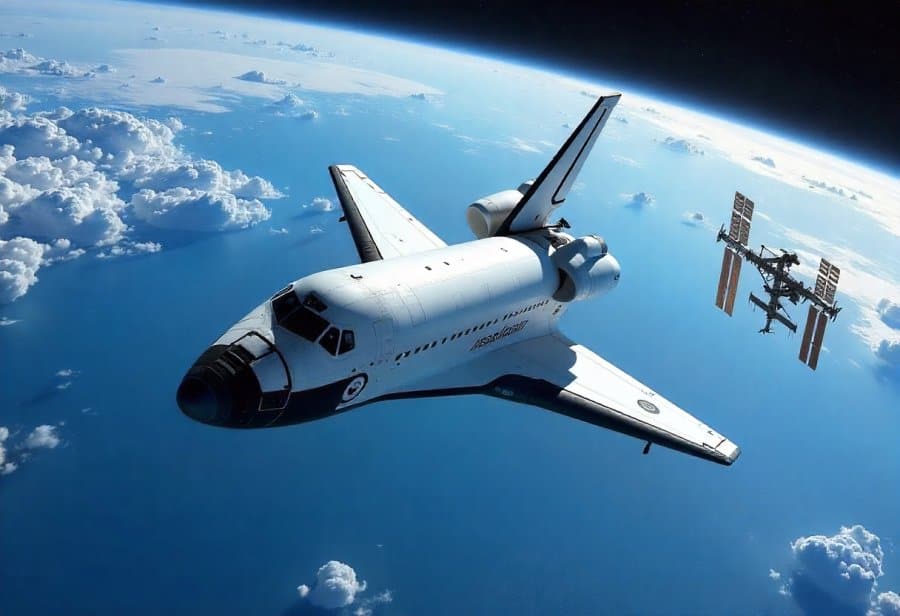
During its last mission, Atlantis played a crucial role in delivering a diverse array of scientific experiments, supplies, and essential equipment to support the ongoing operations of the International Space Station. One of the primary objectives was to install new solar arrays designed to boost the station’s power capacity. These upgrades were vital for accommodating a growing crew and enabling more advanced scientific research. By enhancing the station’s energy infrastructure, Atlantis helped ensure that international scientists could continue their experiments without interruption, paving the way for deeper insights into space and Earth sciences.
Beyond infrastructure enhancements, Atlantis carried an array of scientific instruments aimed at expanding our understanding of space physics and planetary phenomena. These instruments provided valuable data on space weather, atmospheric conditions, and climate change, helping scientists refine models of Earth’s environment. Deploying such research tools during the final flight underscored the shuttle’s vital role in advancing knowledge beyond mere station maintenance, highlighting its contribution to scientific progress in space and on Earth.
A significant portion of Atlantis’s cargo was dedicated to supplies necessary for the station’s crew. Food, water, and maintenance tools were meticulously packed to ensure astronauts had everything required for daily life and ongoing experiments. Maintaining a continuous supply chain was critical; any disruption could jeopardize crew safety and the station’s scientific endeavors. This logistical support showcased the shuttle’s role in sustaining human presence in space and enabling uninterrupted research activities, which are essential in the broader effort to understand our universe.
Another key payload involved specialized equipment for the deployment and servicing of the Hubble Space Telescope. This included advanced repair tools, replacement parts, and scientific instruments designed to extend Hubble’s operational life and enhance its scientific capabilities. These efforts demonstrated the shuttle’s versatility, allowing astronauts to perform delicate repairs and upgrades that significantly improved the telescope’s performance. Such missions have had a lasting impact on astrophysics, providing clearer images and more detailed data that continue to shape our understanding of the cosmos.
Technological advancements were also central to Atlantis’s final flight. The spacecraft was equipped with improved thermal protection systems to withstand re-entry heat more effectively, reducing risk for future missions. Upgrades to navigation and communication systems enabled more precise docking procedures and more reliable data transfer back to Earth. These enhancements not only supported the immediate objectives but also contributed to the evolution of spacecraft design, setting new standards for safety, reliability, and operational efficiency in spaceflight.
Throughout the mission, innovative tools and equipment for station repairs and upgrades showcased NASA’s commitment to sustainability and crew safety. Advanced maintenance kits, robotic repair tools, and inspection devices made spacewalks safer and more efficient, reducing the time astronauts spent on complex tasks. These technological advances minimized risks and improved operational effectiveness, ensuring that Atlantis could perform multiple roles—from cargo delivery to maintenance—during its final voyage. Every piece of hardware and repair performed during this mission reinforced the shuttle’s legacy as a versatile and reliable workhorse of space exploration.
Legacy of Innovation: Shaping the Future of Human Space Exploration
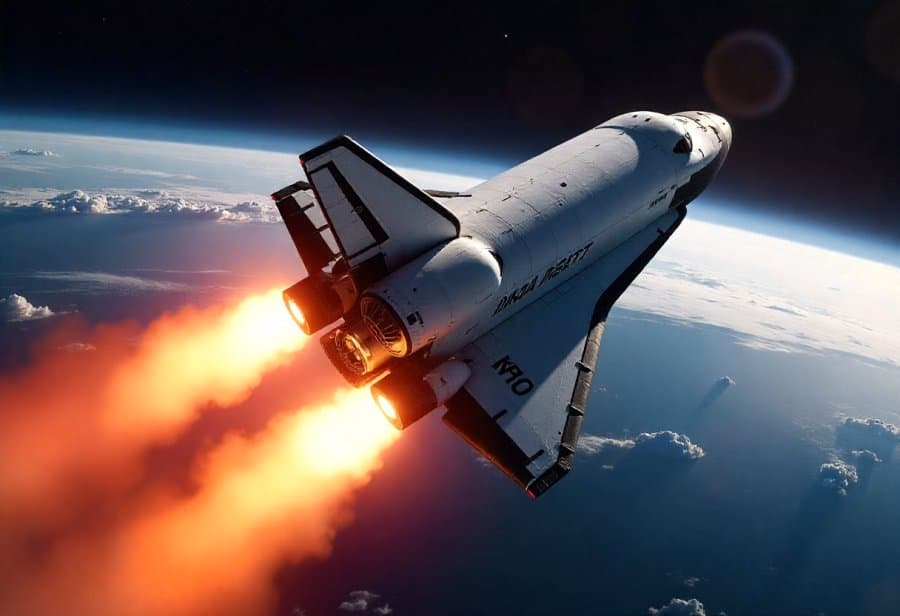
The end of Atlantis’s shuttle career marks more than just the conclusion of a spacecraft’s operational life; it signifies a pivotal moment in the evolution of human spaceflight. Its legacy is rooted in demonstrating that reusable spacecraft could adapt, improve, and serve as the backbone of international exploration efforts. The shuttle program proved that perseverance and innovation could turn ambitious dreams into reality, inspiring generations of engineers, scientists, and explorers to push further beyond our planet. Atlantis’s successful missions laid a foundation built on resilience, technological progress, and international collaboration, shaping the future trajectory of space endeavors.
This mission also catalyzed a shift towards partnerships with private companies, fueling a new era of commercial spaceflight. With Atlantis retired, NASA turned to industry giants like SpaceX and Boeing to carry astronauts and cargo to orbit, making space more accessible and cost-effective. This transition reflects a broader understanding that sustainable exploration depends on shared resources, expertise, and innovation. Atlantis’s legacy in fostering cooperation and pushing technological boundaries continues to influence how we approach space travel—more inclusive, efficient, and adaptable than ever before.
The scientific and infrastructural contributions of Atlantis’s final flights extend well beyond its immediate objectives. The equipment and experiments delivered helped keep the International Space Station operational, supporting ongoing research that benefits life on Earth. Repairs and upgrades to the Hubble Space Telescope, which extended its lifespan and enhanced its capabilities, provided data that continues to deepen our understanding of the universe. Each cargo delivery and technical achievement reinforced the shuttle’s role as a versatile tool for expanding scientific frontiers, leaving a lasting impact that shapes subsequent missions and innovations.
Technologically, Atlantis pushed the boundaries of spacecraft safety and performance. Its upgrades—such as improved thermal protection and more precise navigation systems—set new standards for crew safety and mission reliability. These advancements did more than serve immediate needs; they informed the design of future spacecraft, ensuring safer, more efficient journeys for crews venturing further into space. The innovations demonstrated during Atlantis’s final flights helped define a new baseline for spacecraft resilience, influencing the development of next-generation vehicles and exploration protocols.
Beyond hardware and technology, Atlantis’s missions exemplified the power of international cooperation. The shuttle’s role in delivering vital supplies, scientific instruments, and repair tools underscored how space exploration fosters unity among nations. Its success reinforced the idea that humanity’s future in space depends on shared goals, collaborative effort, and mutual trust. As new partnerships emerge and international missions become more common, Atlantis’s legacy continues to inspire a collective spirit of exploration—one that transcends borders and unites us in the quest to understand and explore the cosmos.
Looking ahead, the journey initiated by Atlantis’s final mission remains a blueprint for future exploration. Its achievements demonstrated that with the right mix of technology, teamwork, and perseverance, humans can reach beyond Earth’s confines and unlock the universe’s secrets. The lessons learned continue to inform plans for lunar bases, Mars expeditions, and beyond, emphasizing sustainability, innovation, and international collaboration. The spirit of Atlantis’s journey—driven by curiosity and resilience—serves as a guiding light for the next chapters of space exploration, ensuring that human curiosity remains unstoppable.
As we look toward future missions, it is important to recognize the enduring influence of Atlantis within NASA’s shuttle program history. Its contributions continue to inspire innovations and collaborative efforts that shape the next era of space exploration, ensuring that humanity’s quest to explore the cosmos remains vibrant and forward-looking.