Transforming daily walks from chaotic pulls to calm, focused moments is more than just training—it’s about building a trusting bond with your dog. Imagine a peaceful stroll where your canine partner walks politely beside you, eyes attentive, leash slack, and distractions minimized. This guide reveals that patience, consistency, and positive reinforcement are your best tools in overcoming common hurdles like pulling, distractions, and resistance. Are your walks often overshadowed by frustration or safety concerns? With small, deliberate steps—starting in low-distraction environments and gradually introducing challenges—you can turn these obstacles into opportunities for growth. The journey toward calm leash behavior not only enhances safety and enjoyment but deepens your connection, turning routine outings into shared moments of trust and harmony. Are you ready to unlock this peaceful, rewarding connection? The path is within your reach, and every step forward creates a more joyful, mutual understanding between you and your furry companion.
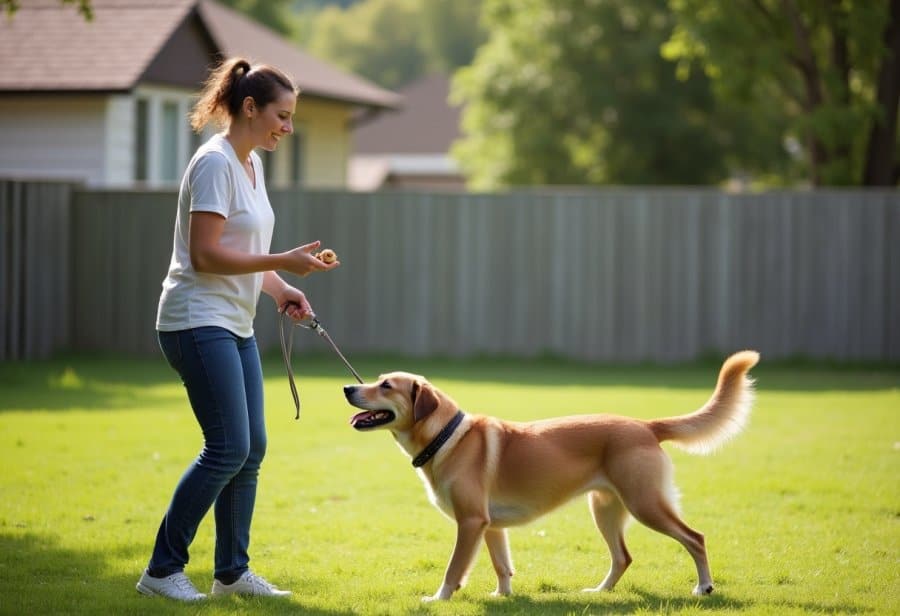
Master the Art of Calm Dog Walking for a Bonded, Stress-Free Outing
Walking calmly with your dog might seem simple, but it’s actually one of the most valuable skills you can develop together. When your dog learns to walk politely at your side, what used to be a frustrating experience can transform into a peaceful, bonding moment. A leash that guides rather than pulls fosters trust and mutual respect, making every outing more enjoyable for both of you. It’s about building a connection based on calm communication, not just control.
Many owners find themselves battling pulling, distractions, or lunging during walks. These behaviors turn routine outings into stressful events, impacting safety and enjoyment. The desire for calm leash behavior often stems from wanting safer, more relaxed walks where both owner and dog feel confident. Teaching your dog to stay focused and walk at your pace strengthens your bond and makes daily walks something to look forward to.
Getting started with calm leash training requires patience, consistency, and a positive attitude. Using gentle guidance and plenty of rewards, you help your dog understand what’s expected. Small, regular practice sessions are more effective than long, infrequent ones, and they lay the foundation for better behavior over time. As your dog begins to respond calmly, you’ll notice a shift in their attitude—less pulling, fewer distractions, and more focus on you.
This journey isn’t just about obedience; it’s about creating harmony in your daily routines. Teaching calm leash walking deepens your trust, improves communication, and turns walks into shared moments of joy. Every successful step builds confidence and patience, making peaceful walks a highlight of your relationship. Over time, these calm outings become opportunities for connection and mutual understanding, strengthening your bond with every step.
Foundations of Peaceful Leash Walking: Understanding Your Dog’s Behavior and Training Principles
Understanding your dog’s behavior is the key to building a solid foundation for calm leash walking. Dogs are naturally curious and responsive, but their impulses—like chasing squirrels or reacting to sudden noises—can make walks challenging. Recognizing how dogs communicate through body language, tail position, and alertness helps you respond effectively, fostering trust and cooperation. When you tune into what your dog is feeling or trying to convey, training becomes clearer and more successful.
Training principles such as positive reinforcement and consistency are central to peaceful leash walking. Reward-based methods—using treats, praise, or toys—show your dog that calm, focused behavior leads to good things. This encourages repetition of those behaviors, making polite walking a habit. Patience is essential; dogs need time to learn and internalize routines, and rushing only causes confusion or setbacks. Establishing routines with clear commands helps your dog understand what’s expected, creating a predictable environment that promotes calmness.
The shift away from correction-based techniques toward gentle, reward-focused approaches reflects growing understanding of canine psychology. Dogs thrive on trust and respect, and a positive relationship makes training more effective. Using reinforcement immediately after desired behaviors strengthens the connection between actions and outcomes, making it more likely your dog will repeat them. Tools like clickers or front-clip harnesses support these routines, making guidance more humane and enjoyable.
Consistency and patience are your best allies. Daily routines, same commands, and regular reinforcement help your dog grasp what’s expected. Over time, these small, steady steps build a foundation for calm leash walking, turning it into a natural part of your daily life. When your dog learns to walk politely, it’s not just about manners—it’s about building a trusting partnership based on clear communication and mutual respect.
Current Challenges in Dog Walking: Overcoming Distractions and Frustrations
Many dog owners find that daily walks often shift from relaxing routines to frustrating challenges. Dogs tend to pull ahead, distracted by every scent, sound, or movement, making it hard to maintain control. Without consistent training or clear routines, these walks become tense experiences filled with pulling, barking, or sudden stops, which can quickly turn enjoyable outings into sources of stress. This not only affects safety but also diminishes the joy of shared moments outdoors.
Distractions like squirrels, passing cars, or other dogs heighten the difficulty. Many dogs react instinctively—lunging, barking, or resisting when overstimulated. Owners often feel overwhelmed, unsure how to redirect their pet’s attention or establish calm behavior amidst chaos. As a result, some rely on outdated correction methods that can damage trust, while others try sporadic techniques that lead to mixed signals and slow progress.
In busy neighborhoods or parks, the level of activity and noise can test even well-trained dogs. Many owners struggle to keep their pets focused, feeling helpless or tempted to give up altogether. Without gentle, consistent guidance, these challenges persist, making walks more about managing behavior than enjoying quality time together. Safety concerns also increase, as dogs that pull or react suddenly risk accidents or startling pedestrians, sometimes leading owners to avoid outdoor outings entirely.
The current landscape of dog walking practices is diverse but often inconsistent. Some rely on ineffective routines, while others use tools or techniques that don’t suit their dog’s temperament. This patchwork approach hampers progress, leaving many feeling stuck in a cycle of frustration. Recognizing these common obstacles is the first step toward adopting more humane, effective methods that foster trust, safety, and ultimately, peaceful leash behavior.
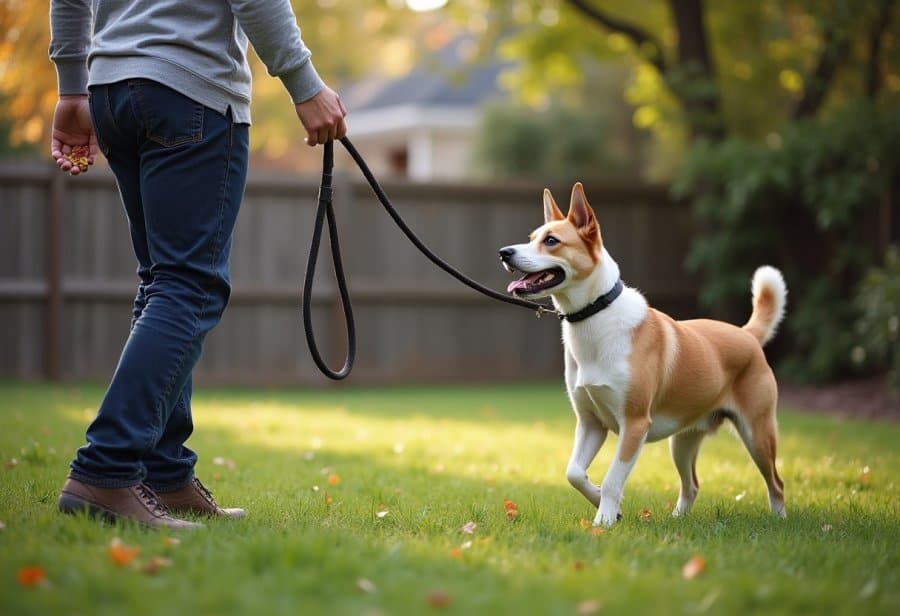
Smart Spending: Investing in Tools and Resources for Effective Calm Leash Training
Investing in the right tools for calm leash training doesn’t have to break the bank, but choosing wisely can make a real difference. Basic essentials like a well-fitting harness and a sturdy leash are affordable options—often under $20—that can significantly improve your walks by helping manage pulling and encouraging polite behavior. These simple items are a smart first step toward safer, more controlled outings and set a solid foundation for progress.
More advanced equipment, such as front-clip harnesses or head collars, typically range from $20 to $40. Many owners find these tools worth the investment because they reduce pulling and make walks more manageable, especially for energetic or strong dogs. If you’re considering professional help like a trainer or group classes, the initial costs might seem higher—around $50 to several hundred dollars—but the guidance can accelerate your dog’s learning and help establish good habits faster.
When weighing expenses, think of them as long-term investments in your relationship. Well-trained dogs that walk calmly are safer, less prone to accidents, and generally happier, which can save money on vet visits or behavioral corrections later. Small spending on quality gear or expert advice often results in more consistent progress, making daily walks more enjoyable and less stressful for everyone.
For those on tighter budgets, plenty of affordable options can still support effective training. Simple DIY solutions, like repurposing household items for treat pouches or practicing in low-stimulation environments, can yield great results without extra costs. The key is consistency and patience—spending a little more on the right mindset and routines often makes a bigger difference than expensive equipment alone.
Remember, the goal isn’t to spend a fortune but to choose tools and resources that support your training efforts. Small, thoughtful investments—whether in gear, treats, or expert advice—can dramatically improve your dog’s leash manners and your overall experience. Over time, these costs become part of a broader plan to foster trust, safety, and joyful, calm walks together.
Real-Life Success Stories: Transforming Walks into Joyful, Safe Experiences
Calm leash training can truly change how you experience daily walks with your dog. Take Sarah and her Border Collie, Scout—before they focused on peaceful leash techniques, Scout would lunge at every squirrel or cyclist, turning walks into tense, unpredictable moments. After consistent practice, Sarah learned to reinforce focus and calm behavior, and now their strolls are relaxed, even in busy parks. Scout walks politely at her side, ears attentive but body calm, showing how patience and positive reinforcement can transform chaos into harmony.
Many owners share similar stories. Dogs trained to walk calmly on a leash tend to be less reactive to distractions like passing cars, barking dogs, or sudden noises. Instead of pulling or lunging, these dogs respond to cues and stay attentive to their owners. This shift not only makes walks safer but also strengthens the bond, built on mutual trust and understanding. It’s clear that calm leash training is about more than manners—it’s about nurturing a respectful, trusting relationship.
For dogs that used to resist or pull at every step, the results are often remarkable. With gentle guidance and consistent rewards, owners notice their dogs walking politely through busy streets or crowded parks. These improvements often catch owners off guard, proof that progress is possible with patience and persistence. Over time, walks become less about managing behavior and more about shared enjoyment, turning everyday outings into positive bonding experiences.
Beyond behavior, calm leash training enhances safety. Dogs that walk with focus and self-control are less likely to dart into traffic or startle pedestrians. This peace of mind encourages owners to explore more outdoor spaces and enjoy nature together. These small but significant changes make each walk safer, more predictable, and more pleasurable for both dog and owner.
The broader impact is profound. Peaceful leash walking turns routine outings into opportunities for trust, safety, and connection. Instead of feeling overwhelmed by distractions or behavioral challenges, owners can look forward to calm, confident walks. As these real-world examples show, with patience and the right techniques, joyful, relaxed dog walks are within reach—deepening your bond and making every step a shared success.
Step-by-Step Guide to Achieving Calm, Focused Walks with Your Dog
Begin your calm leash walking routine in a quiet, familiar space like your backyard or a less busy neighborhood street. Starting in a low-distraction environment helps your dog focus on you and understand the basics without feeling overwhelmed. Use a clear cue, such as “heel” or “let’s walk,” and immediately reward your dog with treats or praise when they walk calmly at your side. Keep the leash slack; if your dog pulls ahead, gently stop moving and wait until they return to your side before proceeding. This teaches patience and reinforces respect for your pace.
Practice short, consistent sessions daily to build your dog’s confidence and focus. A few minutes at a time are more effective than long, sporadic walks. As your dog begins to respond reliably, gradually introduce mild distractions like passing cars or pedestrians, but always in controlled settings. If your dog pulls or gets distracted, calmly reset and reinforce the desired behavior with treats or praise. Patience is key—progress might be slow at first, but steady repetition helps your dog internalize what’s expected.
Reward calm, attentive behavior immediately to strengthen positive associations. Use treats, praise, or a favorite toy to reinforce good manners. Avoid pulling or tugging on the leash; your relaxed energy sets the tone. Stick to routines and commands consistently so your dog can learn what’s expected. Over time, these small, regular steps will lead to longer, distraction-free walks, transforming training into a natural part of your daily life.
Keep training sessions positive and brief to prevent frustration. If your dog shows signs of overwhelm, take a step back to a simpler environment or shorter sessions. As your dog’s responses improve, gradually increase the difficulty, always maintaining a calm approach. With patience and persistence, your dog will learn to walk politely by your side, making each walk a shared moment of trust and harmony. Building this routine takes time but pays off with peaceful, joyful outings together.
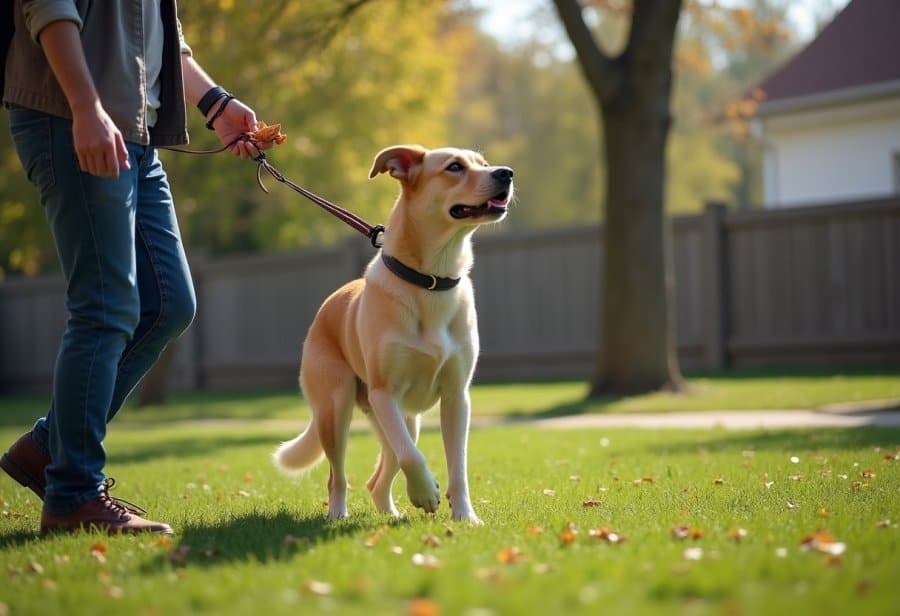
Troubleshooting Common Obstacles: Strategies to Keep Your Training on Track
Training a dog to walk calmly on a leash often comes with its fair share of challenges, but knowing how to handle common obstacles makes the process smoother and more rewarding. One of the most frequent issues is distraction—your dog might fixate on squirrels, other dogs, or passing cars, which can lead to pulling or resistance. To manage this, gradually introduce your dog to these stimuli in controlled environments, rewarding focus and calm behavior. When your dog pulls ahead, gently halt and wait until they return to your side, reinforcing patience and respect for your pace.
Pulling is another common hurdle, especially with high-energy or strong dogs. Using tools like front-clip harnesses or practicing the “stop and go” method teaches your dog that pulling results in a pause, encouraging better leash manners. Resistance or stubbornness can also appear if your dog feels anxious or overwhelmed. In these moments, keep training sessions short and positive, gradually increasing difficulty as your dog gains confidence and composure.
Consistency is key across all challenges. Stick to routines, use the same commands, and always reward calm, focused behavior. Starting in familiar, low-distraction settings helps your dog build a solid foundation before tackling busier environments. Recognizing early signs of distraction or resistance allows you to calmly redirect, preventing setbacks and frustration. Remember, patience and persistence often turn obstacles into opportunities for growth.
If progress stalls or frustration builds, don’t hesitate to seek professional help. A trained behaviorist can assess your dog’s specific needs and provide tailored strategies, especially for stubborn or anxious behaviors. Sometimes, a fresh perspective and expert guidance are just what’s needed to keep training positive and effective.
Keep in mind that setbacks are part of the journey, not signs of failure. Maintain a calm tone and consistent routines, celebrating small wins along the way. Each step forward, no matter how small, reinforces trust and progress. Over time, these challenges become stepping stones toward more peaceful, reliable leash manners.
Approaching obstacles with patience and understanding strengthens trust and cooperation. Dogs respond best when they feel safe and supported, not pressured. When you handle difficulties calmly, you reinforce your bond and help your dog learn to navigate distractions confidently. This resilience not only improves leash behavior but deepens your overall connection.
By staying flexible and positive, you’ll find that what once seemed like insurmountable hurdles gradually become manageable parts of your training routine. With effort and patience, you’ll see your dog develop the calm, focused demeanor that makes every walk safer, more enjoyable, and a true reflection of your shared trust.