Learning to ride a bike symbolizes more than just mastering a skill—it’s a profound rite of passage that combines courage, family support, and the thrill of independence. The nervous wobble, the triumphant first solo ride, and the shared celebrations forge bonds that deepen trust and resilience. But as technology advances with smarter bikes and virtual training tools, the journey toward confident cycling becomes safer and more accessible. How do these innovations amplify a child’s confidence while preserving the timeless values of perseverance and support? This story explores the delicate balance between fear and freedom, tradition and innovation, highlighting that each fall and stumble is a vital step toward growth. Ultimately, learning to ride transforms into a powerful metaphor: embracing challenges with the backing of loved ones, and discovering that the true ride is about finding your footing—on two wheels and in life.
Learning to Ride: A Family Milestone of Courage and Connection
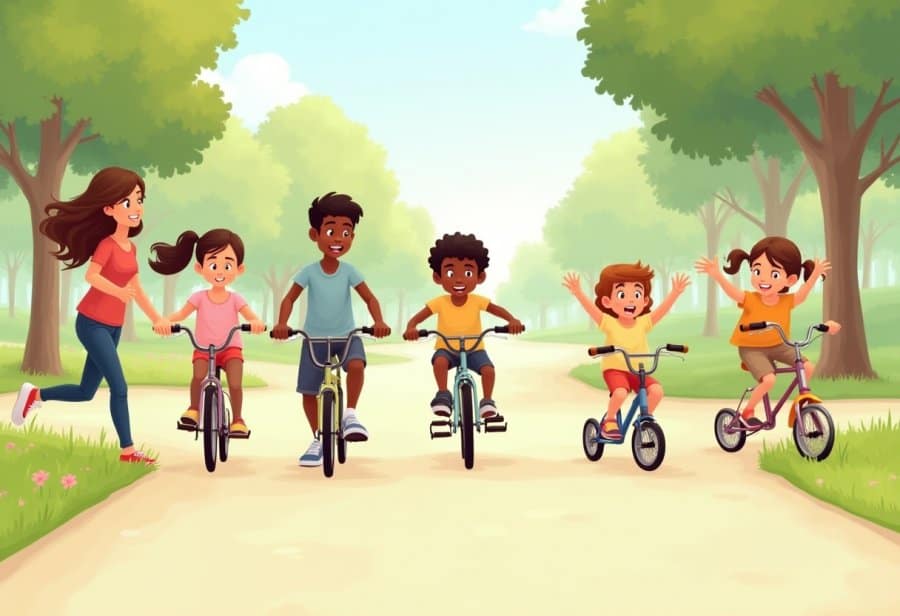
Learning to ride a bike is more than just mastering a skill—it’s a powerful symbol of courage and family bonds. That first wobbling attempt, the tentative push of pedals, is a shared milestone that parents and children remember long after the wheels are steady. It’s a moment filled with nervous excitement, where every fall is met with encouragement and every small success sparks pride. These early rides become a reflection of perseverance, patience, and the unwavering support of loved ones.
In those quiet moments in the driveway or park, families come together to navigate the challenges of learning. Parents crouch down beside their children, offering gentle guidance and reassuring words as tiny hands grip handlebars with determination. Siblings gather nearby, eager to cheer on each small victory, turning what could be a simple lesson into a cherished family ritual. These shared experiences foster trust and deepen emotional bonds, reminding everyone that growth often happens through teamwork.
Beyond the immediate joy of riding, learning to cycle fosters important life skills. As children balance, steer, and pedal, they build confidence in their abilities and develop resilience in facing setbacks. Each wobble and stumble teaches that falling isn’t failure, but part of the journey toward independence. The pride that comes with a first solo ride becomes a symbol of their capacity to overcome fears and embrace new challenges, reinforcing that support from loved ones makes all the difference.
This process isn’t just about mechanics; it’s about cultivating bravery and a sense of achievement. Every encouraging word, every shared smile, and every triumphant ride contributes to a foundation of trust and self-reliance. Learning to ride a bike becomes a family story—one of patience, love, and the willingness to cheer each other on through the ups and downs. It’s these moments that remind us childhood isn’t just about growing up—it’s about growing stronger together.
As kids gain confidence, the scene often shifts from hesitant wobbling to joyful independence. The driveway fills with laughter, cheers, and the sound of spinning wheels. These are the moments that linger—a reminder that the journey to independence is paved with support and shared courage. Learning to ride isn’t just about balancing on two wheels; it’s about finding your footing in the world, surrounded by those who believe in you every step of the way.
From Wooden Wheels to Cultural Symbols: The Rich History of Riding
Learning to ride a bike has a rich history that spans over a century, and its cultural significance has only grown with time. The earliest bicycles, developed in the 19th century, featured simple wooden frames and large wheels, symbolizing innovation and a new sense of freedom. These early designs captured imaginations worldwide, representing more than just transportation; they became powerful symbols of independence and adventure. Across cultures, learning to ride has long been seen as a pivotal milestone, marking the transition from childhood innocence to self-reliance.
Throughout generations, riding a bike has taken on various meanings—whether as a family tradition, a community event, or a rite of passage. Despite differences in customs and settings, the core message remains consistent: bikes stand for mobility, trust, and the joy of exploration. Many societies have turned this milestone into memorable rituals—like special outings, neighborhood celebrations, or school programs—that reinforce the idea that cycling fosters independence and discovery. These shared experiences create lasting bonds, emphasizing that learning to ride is a universal step toward growing up.
Over time, societal views on bike riding have evolved. In earlier days, the focus was primarily on play and personal growth, with a simple goal of mastering balance and coordination. Today, the meaning extends beyond individual achievement; it now also encompasses values like environmental consciousness and sustainable living. Cycling is increasingly seen as an eco-friendly way for children to connect with their communities and the environment. Technological advancements—lighter frames, safer designs—have made learning more accessible and less intimidating, encouraging more kids to take that first ride with confidence.
The cultural importance of learning to ride continues to be reinforced through family stories and community support. Watching a child wobble on their first bike or celebrating a successful solo ride often evokes strong emotions, connecting generations through shared pride and encouragement. These moments remind us that learning to ride isn’t just about mechanics; it’s about building resilience, trust, and independence—values that transcend time and culture. They turn a simple activity into a meaningful rite of passage, shaping a child’s confidence and sense of self.
Despite progress, fears of falling still linger among parents and children alike. Concerns about injury are natural but are often eased by safety gear, community programs, and supportive environments. These efforts help create a space where children can learn without undue worry, emphasizing safety while nurturing a sense of adventure. As a result, the act of learning to ride remains a powerful symbol—blending tradition with modern practices—that celebrates growth, resilience, and the universal joy of taking that first brave ride into independence.
Modern Methods and Tech Trends Driving the Joy of Learning to Ride
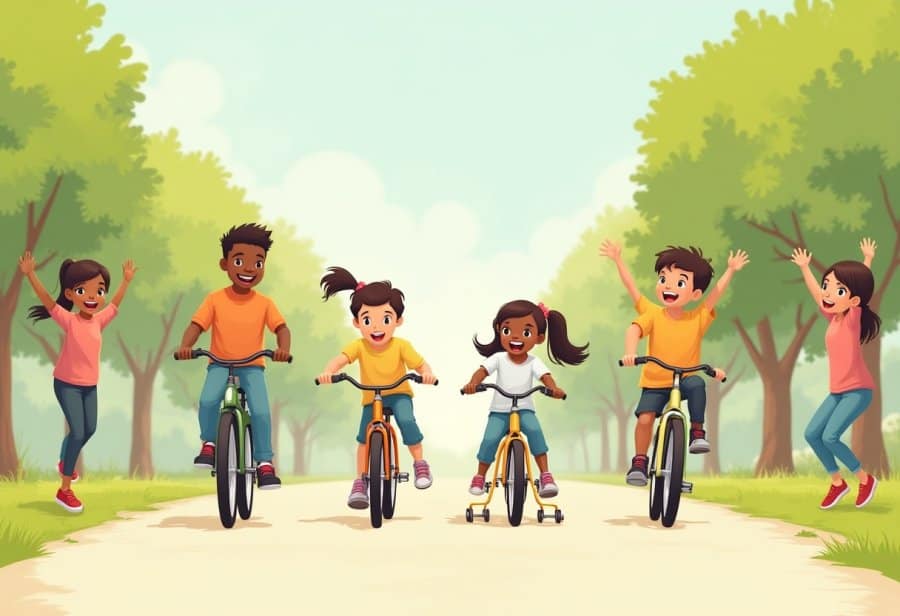
Today’s approach to learning to ride a bike has evolved significantly, thanks to innovations in equipment and shifts in societal attitudes toward safety and independence. Balance bikes, for example, have become increasingly popular because they help children develop stability without the complexity of pedals. These lightweight, pedal-free bikes allow kids to focus on steering and balancing, making the transition to a traditional bike smoother and more confidence-building. Many parents start with a balance bike before moving on to pedal bikes, reducing fears of falling and encouraging a positive learning experience.
Safety gear has become a standard part of the process, reflecting a broader cultural emphasis on protecting young riders. Helmets, knee and elbow pads, and reflective clothing are now widely recommended and used, helping children explore more freely while giving parents peace of mind. Community programs and local cycling classes emphasize safe riding practices, creating supportive environments where kids can learn confidence alongside proper safety habits. This approach encourages resilience and independence without compromising safety.
The focus of teaching has shifted beyond just mechanics to fostering a growth mindset. Today, there’s an emphasis on creating a supportive atmosphere where children are encouraged to try, fall, and try again without fear of judgment. Setbacks are viewed as natural steps in the learning process, helping kids develop patience and resilience. This mindset makes riding about more than technical skill—it’s about building confidence, perseverance, and a positive attitude toward challenges, which benefits them in many areas of life.
Technological advancements are also transforming the learning experience. Interactive training apps and virtual reality tools are emerging as engaging ways to teach coordination and balance. These tools simulate real-world riding scenarios or provide instant feedback, helping children understand their movements better and reduce anxiety about outdoor riding. They make the process more inclusive and fun, especially for kids who may feel intimidated or hesitant.
Overall, modern methods combine practical equipment, safety awareness, and emotional support to turn learning to ride into an enjoyable, confidence-boosting journey. The goal is to create positive, memorable moments that inspire a lifelong love of cycling. With the help of these innovations, children are more eager and prepared to take their first independent ride, transforming what once seemed daunting into an exciting adventure of growth and independence.
Practical Tips for Parents and Kids: Making the Bike Learning Journey Fun and Safe
Choosing the right bike sets the foundation for a successful learning experience. Ensure the bike fits your child’s size, with handlebars comfortably within reach and pedals easy to operate. Starting with a balance bike or training wheels can make a big difference—balance bikes help children focus on stabilizing and steering without the complexity of pedals, easing the transition to a pedal bike. If using training wheels, view them as a stepping stone, gradually reducing support as confidence grows.
Practice in safe, flat areas like parks or driveways provides the space kids need to try without obstacles. These environments help children feel secure and more willing to experiment. Celebrate small achievements, such as balancing without support or pedaling a few meters, to boost motivation. Recognize that falls and hesitations are natural parts of learning; reassure your child that setbacks are normal and encourage patience throughout the process.
Encouragement plays a key role in building confidence. Use positive language to frame mistakes as opportunities to learn and grow. Praising effort rather than perfection helps children develop resilience and a growth mindset. If nerves are high, remind them that everyone falls at first, and persistence pays off. Sometimes, holding the bike steady for a moment can give them the reassurance needed to move forward, gradually loosening your grip as they gain independence.
Making practice fun transforms the experience from a chore into an adventure. Turn rides into games—racing to a tree or seeing who can pedal the farthest keeps the mood light and engaging. Sharing stories of other kids overcoming their fears can inspire bravery. Break learning into small, manageable steps—first balancing, then steering, then pedaling—so each milestone feels achievable and rewarding.
Tailor your approach to your child’s personality and comfort level. Some children need lots of reassurance, while others thrive with independence. Stay flexible, adjusting your methods to meet their needs. Consistent effort, positive reinforcement, and a supportive atmosphere turn learning to ride into a cherished bonding experience. These shared moments of patience and perseverance lay the groundwork for lifelong confidence, making the first ride a memorable step into independence.
Innovating the Future: Emerging Trends in Bike Safety, Training, and Inclusivity
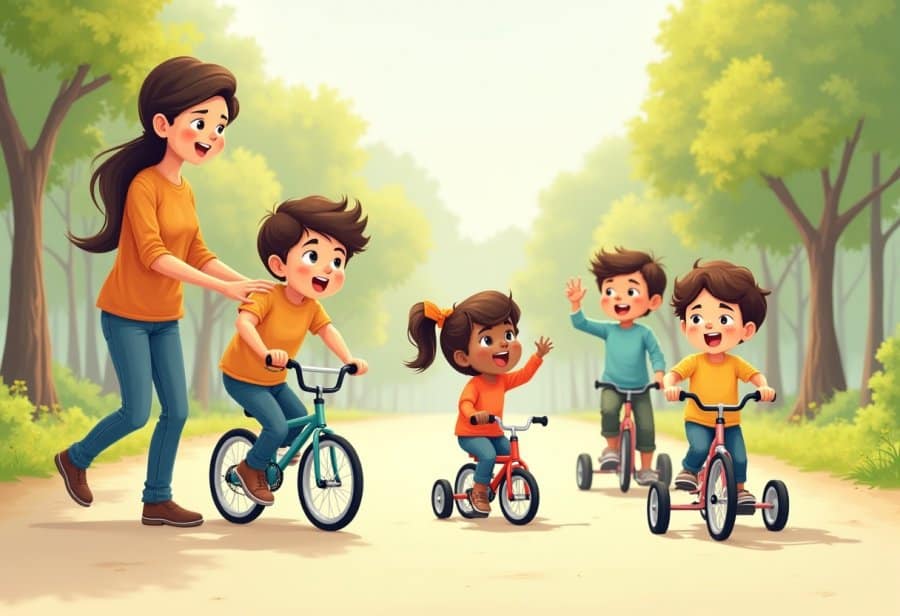
As technology continues to evolve, so do the ways children learn to ride bikes, making the experience safer, more engaging, and tailored to individual needs. Smart balance bikes equipped with sensors now provide real-time feedback, helping young riders improve their posture and balance with instant cues. These devices turn the learning process into an interactive adventure, boosting confidence early on and reducing the intimidation factor that often accompanies initial attempts. Seeing tangible progress encourages children to keep trying, transforming a potentially daunting task into a rewarding journey.
Virtual reality is also carving out a new space in bike training. Specialized VR apps simulate real-world riding scenarios, allowing kids to practice coordination and balance in a safe, controlled environment. These virtual rides mimic outdoor conditions and help children overcome fears of falling or losing control before they venture into parks or streets. For parents, this technology offers a fun, familiar way to prepare their kids, especially those hesitant about their first outdoor ride, making the transition smoother and more enjoyable.
Safety gear has undergone significant improvements, incorporating impact absorption technology that offers better protection while remaining comfortable. Modern helmets and pads are designed to fit more snugly and securely, while reflective clothing enhances visibility during low-light conditions. These innovations foster a safety-first mindset from the outset, giving parents confidence to let their children explore more independently without excessive worry. As safety becomes more accessible and user-friendly, children are more likely to embrace riding with enthusiasm and confidence.
In addition, digital platforms and community programs are expanding support networks for young cyclists. Online tutorials, social media groups, and local cycling initiatives connect families, share tips, and provide encouragement. Many communities now offer bike lending programs, safety workshops, and organized rides, making learning to ride more inclusive and accessible regardless of background. These efforts strengthen the social aspect of cycling, inspiring children through shared experiences and collective encouragement.
Looking ahead, integrating these emerging technologies promises a future where learning to ride is safer, more personalized, and more fun than ever before. Devices that track progress and apps that simulate real-world scenarios help children develop confidence while reducing anxiety. This approach shifts the focus from merely mastering mechanics to fostering resilience and independence—traits that extend far beyond the bike. As innovations continue, children will not only learn to ride but also develop a lifelong love for cycling rooted in trust, safety, and adventure.
Inclusivity is a key part of this future. Adaptive equipment, accessible training programs, and community initiatives ensure that children with diverse needs can enjoy the freedom and joy of cycling. These innovations make it possible for everyone to experience the thrill of that first independent ride, regardless of physical or learning differences. By broadening access, we foster resilience and confidence across all backgrounds, emphasizing that cycling truly is a universal skill everyone can learn and cherish.
Ultimately, the blend of tradition and innovation is shaping a new era of cycling education. With smarter equipment, virtual environments, and a stronger emphasis on safety and inclusivity, children are more prepared and eager to embrace independence. These trends not only enhance the learning experience but also reinforce the idea that cycling is a symbol of growth, resilience, and discovery—an empowering journey that begins with a simple push of the pedals and leads to a lifetime of adventure.