Underground street racing is more than just a pursuit of speed; it’s a culture rooted in loyalty, brotherhood, and shared risk. These clandestine races forge unbreakable bonds among racers, transforming fleeting adrenaline moments into lifelong connections built on trust, support, and mutual respect. The scene’s origins trace back to the rebellious spirit of the muscle car era, evolving into a global community that values integrity over trophies. Drivers see their crews as families, supporting each other through victories and setbacks while operating under unspoken codes of secrecy and loyalty. Beyond the thrill, this culture influences participants’ identities, shaping everyday actions and fostering resilience against external threats. The real victory extends beyond crossing the finish line—it’s the enduring kinship that sustains this underground world. What makes this brotherhood so powerful? It’s the shared passion for speed intertwined with a deep commitment to loyalty that keeps the community alive amid challenges.
Unveiling the Underground Street Racing Scene: Rebellion, Camaraderie, and Community
Underground street racing has a way of capturing the imagination like few other scenes in the automotive world. It’s more than just the thrill of speed; it’s a culture built on rebellion, skill, and a sense of belonging that you won’t find in formal racing circuits. For many, it’s about carving out a space where they can push their limits away from the watchful eyes of authorities, in a world that values trust and loyalty above all else.
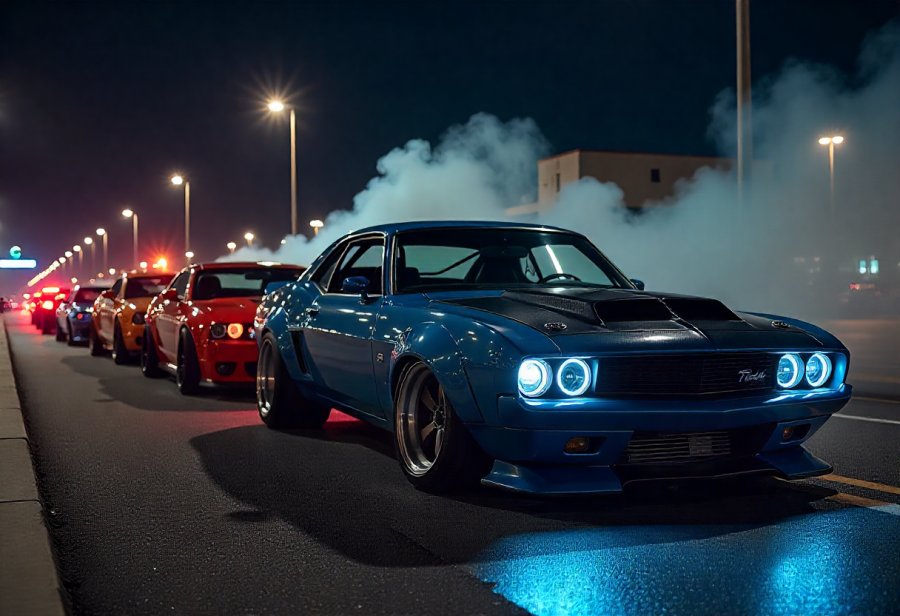
The roots of street racing stretch back to the muscle car era of the 1960s, when young drivers started organizing informal races on deserted streets and highways. These early gatherings weren’t just about going fast—they were about earning respect and forging community. Over time, the scene evolved alongside car tuning and customization, giving racers the ability to craft machines that reflected their personal style and performance ambitions. This drive to stand out and outperform fueled underground scenes across cities worldwide during the ’80s and ’90s, where a rebellious spirit and access to modified cars flourished.
What makes underground street racing so compelling is its blend of adrenaline, camaraderie, and personal achievement. It’s not just about crossing the finish line first; it’s about the bonds formed in these high-stakes moments. Racers often see their crews like family, supporting each other through victories and setbacks alike. Respect is earned through loyalty, skill, and trust—values that go far beyond trophies or fame—and create a tight-knit community that feels more like a brotherhood.
Secrecy plays a vital role in maintaining this culture. Racers operate under unspoken codes—sharing tips, modifications, and support while carefully avoiding law enforcement. Revealing too much can jeopardize the entire scene, so trust becomes the currency that keeps these bonds strong. These clandestine races, often held in abandoned lots or quiet alleyways, reinforce the idea that this is more than just a sport; it’s a family built on shared risks and loyalty.
Safety concerns are always present since racing on public streets carries real dangers. Accidents and injuries are risks racers accept, driven by the desire to prove themselves and belong. Legally, it’s a constant game of cat and mouse, with fines, vehicle impoundments, and criminal charges looming. Yet many see these risks as part of the challenge—another way to test their skills and loyalty in a scene that values brotherhood over rules.
Despite these dangers, the culture continues to thrive because of the deep connections it fosters. For many, underground street racing offers a sense of purpose and identity that’s hard to find elsewhere. The shared experiences—whether a close call or a hard-won victory—cement bonds that often last a lifetime. It’s these relationships, rooted in trust and mutual respect, that sustain the scene and drive its ongoing evolution in cities around the world.
At its core, underground street racing isn’t just about speed; it’s about the community that grows in the shadows. Loyalty, brotherhood, and shared passion create bonds that run deeper than asphalt and engines. These connections remind us that sometimes, the real victory isn’t crossing the finish line—it’s the unbreakable kinship formed along the way.
Loyalty, Family, and Identity: The Heart of Street Racing Brotherhood
At the heart of underground street racing lies a powerful sense of loyalty that extends beyond mere participation. It’s about belonging to a family—one forged through shared experiences, trust, and unwavering support. Racers don’t see their crews as just groups of friends; they become brothers and sisters who stand together through every challenge, victory, and setback. This deep bond fuels a collective identity that defines their community, giving each member a sense of purpose and belonging that’s hard to find elsewhere.
These relationships are built slowly, layered through late-night runs, close calls, and the adrenaline of a perfect launch. Trust is the foundation—each racer depends on the honesty, skill, and discretion of others, knowing that their safety and reputation are intertwined. Supporting each other’s modifications and celebrating successes fosters a sense of mutual respect, strengthening their bonds beyond the asphalt. Over time, these shared moments evolve into a collective identity rooted in loyalty and the unspoken understanding that their strength lies in unity.
Loyalty isn’t just a trait; it’s the backbone of this culture. A crew’s bond is tested and reinforced through acts of support—covering for each other during risky situations, mentoring newcomers, or defending each other amid external pressures. These acts of allegiance create a culture of reliability, where honesty and integrity are valued above individual wins. Such principles foster a resilient community, one that endures the threats of law enforcement and societal misunderstanding while maintaining its core values.
Traditions and rituals further cement these bonds. Regular meetups, whether for training, crew dinners, or simple hangouts, serve as opportunities to reinforce trust and accountability. These routines turn strangers into family, transforming fleeting moments into lifelong relationships. When racers entrust each other with their cars, secrets, and safety, they affirm a level of commitment that transcends the night’s race—this is a brotherhood built on shared risk, respect, and unwavering loyalty.
Ultimately, the core themes of street racing—loyalty, family, and identity—shape more than just the scene itself. They influence how racers see themselves and their community, extending into everyday life and broader social bonds. These unbreakable connections create a resilient culture that celebrates support and integrity, proving that in underground street racing, the real victory isn’t just crossing the finish line. It’s the lifelong kinship that keeps the community alive, thriving, and united long after the engines have cooled.
Deep Bonds in the Shadows: How Racing Brotherhood Shapes Identity and Unity
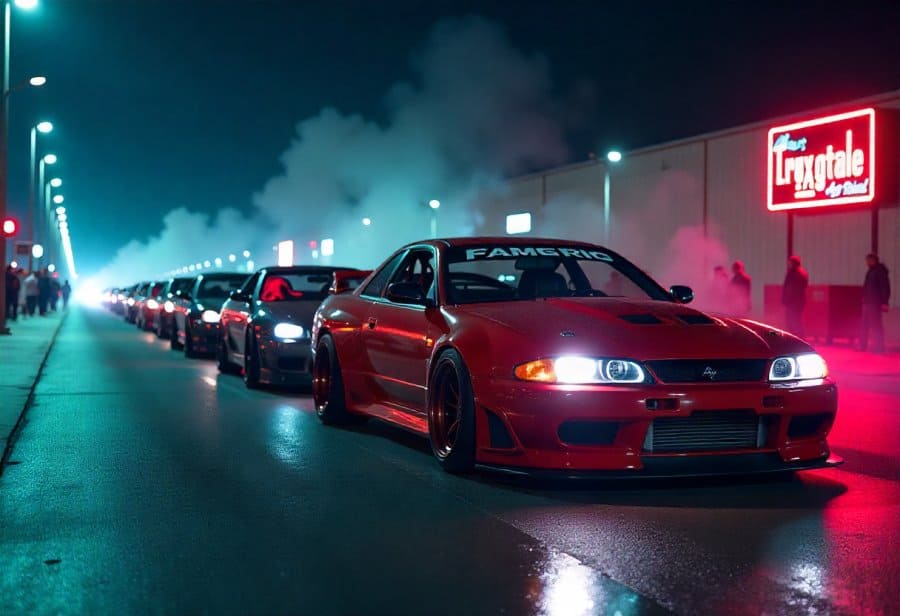
The bonds formed through underground street racing extend far beyond the adrenaline of a single night’s race; they profoundly influence how participants perceive themselves and their place within the community. Joining a crew or earning respect on the streets isn’t just about gaining a badge of honor—it’s a powerful affirmation of identity and belonging. These relationships become core to their sense of self, shaping core values like loyalty, trust, and resilience that influence their daily actions and choices.
Trust is the foundation upon which these bonds are built. Racers rely on each other’s honesty and skills, knowing that their safety and reputation are intertwined. Supporting modifications, covering for each other during risky moments, and celebrating victories together deepen this trust, transforming fleeting adrenaline into lasting loyalty. Over time, these shared experiences create a collective identity rooted in mutual support, where individual success is celebrated as a community achievement.
The sense of brotherhood is reinforced through rituals—late-night races, crew dinners, or training sessions—that foster familiarity and accountability. These routines turn strangers into family, embedding shared traditions into the fabric of the community. Entrusting each other with cars, secrets, and safety isn’t taken lightly; it’s a sign of genuine commitment. These acts of trust and support turn fleeting moments into lifelong bonds, uniting racers in a kinship that withstands external pressures and challenges.
These relationships influence how racers navigate other parts of their lives. Many carry the principles of loyalty and support into their everyday interactions, fostering networks of reliability that extend beyond the asphalt. Mentoring newcomers, helping friends through personal struggles, or defending their community’s reputation—all become expressions of the deep-rooted bonds forged through shared risk and respect. This broader application of brotherhood creates a resilient social fabric that sustains and elevates their entire community.
The bonds formed in underground racing also shape individual identities by instilling a sense of purpose and pride. Each act of loyalty or support reinforces their role within the crew, transforming them from mere racers into custodians of a shared culture. These connections often define who they are, guiding their behavior and outlook long after the engines have cooled. The scene becomes a space where personal growth and community loyalty go hand in hand, strengthening both.
Furthermore, the collective identity nurtured in these circles fosters resilience. Racers learn to stand together against external threats—law enforcement, societal stereotypes, or rival groups—by sticking to their unspoken codes. This unity isn’t just about racing; it’s about safeguarding a shared way of life. Their loyalty and brotherhood act as shields, helping the community endure hardships and continue thriving despite obstacles.
In essence, the bonds created through underground street racing are more than fleeting connections—they are the backbone of a culture rooted in loyalty, trust, and shared purpose. These relationships forge a sense of belonging and strength that extend well beyond the streets. They turn moments of speed into lifelong kinships, demonstrating that the true power of this scene lies in the unbreakable community ties that keep it alive and resilient.
Beyond the Streets: How Loyalty and Camaraderie Influence Broader Life and Culture
The values of loyalty and camaraderie cultivated in underground street racing often extend well beyond the late-night races and hidden streets. These principles shape how participants interact in everyday life, forging bonds of trust, support, and shared purpose that last far after the engines have cooled. Many racers rely on their crews not just for racing support but also for advice, job opportunities, and emotional backing. This sense of loyalty creates a network that feels like an extended family, where members look out for each other through personal struggles and collective challenges alike.
Within these tight-knit groups, relationships formed through shared experiences—late-night runs, close calls, and victories—become foundations for broader social practices. Regular meetups, whether for training, crew dinners, or simple hangouts, serve as rituals that reinforce trust and deepen bonds. These routines turn strangers into family, embedding shared traditions into the community’s fabric. Entrusting each other with cars, secrets, and safety isn’t taken lightly; it’s a sign of genuine commitment that cements their collective identity.
Loyalty also informs how members handle conflicts and external pressures. Disagreements are often resolved through honest dialogue and mutual understanding, fostering a culture where supporting each other’s growth takes precedence over individual wins. This approach builds a reputation for reliability and integrity, encouraging newcomers to embrace the same principles and helping sustain the scene’s resilience. In this way, loyalty becomes a guiding force that keeps the community united, even in the face of legal or societal challenges.
Beyond the streets, these core values influence broader social practices. Many crews participate in community events or safety initiatives, aiming to shed positive light on their culture. These acts demonstrate that loyalty and brotherhood aren’t just about racing—they can serve as catalysts for community pride and responsibility. Using encrypted chats and online platforms, members continue to uphold their unspoken rules, mentoring newcomers and passing down traditions that preserve the scene’s integrity.
Ultimately, the values of loyalty and camaraderie shape a culture that extends far beyond the asphalt. They turn fleeting adrenaline moments into lifelong connections rooted in trust, support, and shared purpose. These principles foster a resilient social fabric that not only sustains underground street racing but also inspires positive community engagement. In this scene, loyalty isn’t just a virtue; it’s the engine that drives lasting bonds and a sense of belonging that endures through every challenge and triumph.
Reflecting on the Unbreakable Bonds: The Enduring Power of Loyalty and Community in Underground Racing
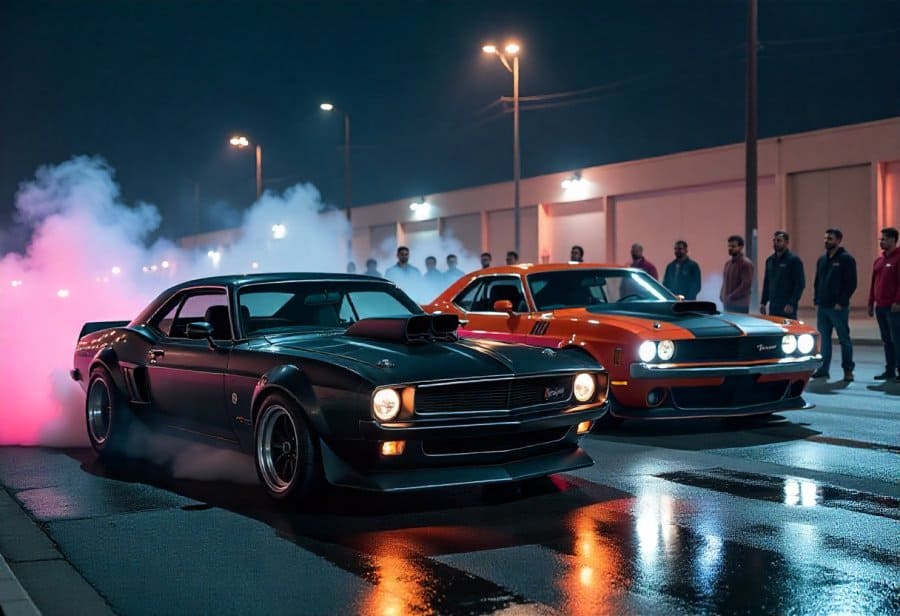
The core ideas of underground street racing—its emphasis on loyalty, brotherhood, and community—show us that these bonds reach far beyond the thrill of speed. They shape how participants see themselves, their values, and their place within a larger social fabric. When someone joins a crew or earns respect during a race, it’s more than just a badge of honor; it’s a reaffirmation of their identity and sense of belonging. These relationships often become the foundation of their purpose, creating a sense of connection that can last a lifetime.
What makes this culture so enduring isn’t just the adrenaline—it’s the unbreakable bonds formed amid the chaos. These connections influence how racers act outside the scene, translating into everyday acts of support and trust. Whether helping a friend through personal struggles or mentoring a newcomer, the principles of loyalty and camaraderie become guiding values that extend well beyond the streets. These relationships become a source of strength, resilience, and community cohesion that sustains the scene through challenges.
The bonds created through underground racing are rooted in shared risk, trust, and mutual respect. They turn fleeting moments into lifelong relationships built on honesty and support. These connections foster a culture where loyalty and integrity are paramount, transforming adrenaline-fueled nights into enduring kinships. Over time, these relationships deepen, making the scene more than just a collection of racers—they become a family that thrives on collective resilience and shared purpose.
Shared routines—like late-night runs, crew dinners, or training sessions—play a crucial role in maintaining this cohesion. These traditions aren’t just social acts; they’re vital in passing down unspoken rules and values that keep the community strong. They remind racers that loyalty and support are ongoing commitments, woven into the fabric of their lives. These routines reinforce a sense of belonging, ensuring that the bonds forged in the heat of the moment endure long after the engines have cooled.
Beyond the streets, these core principles influence how racers support their families, friends, and communities. Many carry the spirit of loyalty and trust into their everyday interactions, creating networks of reliability that extend beyond asphalt. Mentoring newcomers, helping friends through personal struggles, or standing up for their community’s reputation—all become expressions of the deep-rooted bonds forged through shared risk and respect. This broader application of brotherhood cultivates a resilient social fabric that can inspire positive change and community pride.
The strength of underground street racing’s core principles lies in their ability to forge lasting connections amid chaos. These bonds demonstrate that loyalty, trust, and community are powerful forces capable of transcending adrenaline and asphalt. They turn fleeting moments into lifelong relationships, proving that the real victory isn’t just crossing the finish line—it’s the unbreakable kinship that endures well beyond the engines’ roar. This culture’s resilience and depth come from the relationships that make it more than just a scene of speed—they create a community that lasts.